Won-Dollar Rate Stays Near 1,500 as SK Hynix ADR and 24-Hour Trading Reshape FX Market
The won-dollar rate near 1,500 is becoming more than a temporary shock. A 29-session failure to return to the 1,400 range has raised pressure on import costs and foreign investor flows. SK Hynix ADR listing and wider 24-hour trading add a new pricing channel for Korean assets.
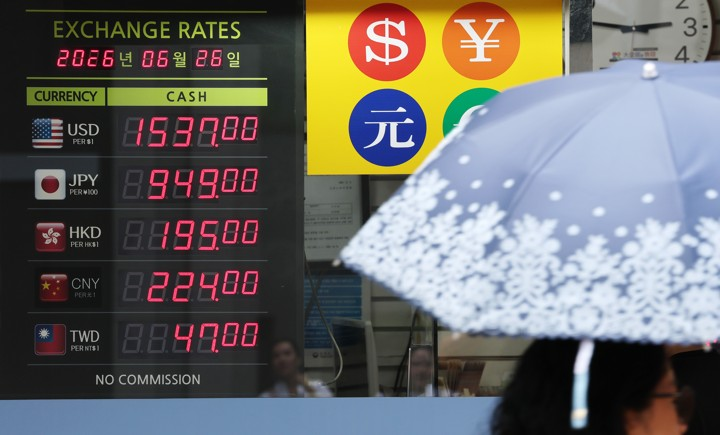
The won-dollar exchange rate is staying around the 1,500 level for longer than a short-term disruption would suggest. For 29 consecutive trading days, the rate has not returned to the 1,400 range, pushing dealers and investors to treat 1,500 as a working reference rather than an exception.
Why the 1,500 Level Matters
A prolonged 1,500 won per dollar rate changes cost assumptions across Korea. Oil, gas, metals and grains are priced in dollars, so importers face heavier won-denominated costs. Companies must recalculate margins, while households feel the effect through travel, imported goods and energy-related prices.
The key signal is duration. This is not a one-day spike. Market participants are now placing orders and hedges around the 1,500 level. Firms with large dollar costs are factoring in higher currency protection expenses, and investors buying U.S. stocks or ETFs face a steeper conversion burden.
SK Hynix ADR and 24-Hour Trading
The planned SK Hynix ADR listing can change how foreign investors access Korean semiconductor exposure. If price signals form during overseas hours, expectations for Korean equities and the won can move before Seoul opens. Wider 24-hour trading narrows gaps among New York, Seoul and offshore Asian markets.
Foreign investors judge Korean stocks and currency conversion together. A high exchange rate may create room for FX gains, but the risk of further won weakness can slow buying. Because large semiconductor stocks influence both the Kospi and the currency mood, SK Hynix-related trading is becoming an FX variable.
Outlook
A long stay near 1,500 will gradually feed into import prices, travel costs, energy bills and overseas investment costs. Authorities may guard against disorderly moves, but markets will keep focusing on dollar supply and foreign capital flows. The central question is no longer whether the rate briefly returns to the 1,400 range, but how firmly the 1,500 level becomes embedded.
Key points
- The won-dollar rate near 1,500 is becoming more than a temporary shock. A 29-session failure to return to the 1,400 range has raised pressure on import costs and foreign investor flows. SK Hynix ADR listing and wider 24-hour trading add a new pricing channel for Korean assets.
- Use the body and FAQ context before acting on this update.
- Compare with related issues inside the category hub.
FAQ
Why is the 1,500 won-dollar level important?
A prolonged 1,500 level raises won-based costs for dollar-priced imports, overseas investment and energy-related spending.
What does 29 sessions above the 1,400 range mean?
It signals that the market is treating the 1,500 area as a practical trading reference, not just a temporary spike.
How could SK Hynix ADR and 24-hour trading affect FX?
They can create price signals outside Korean hours, influencing foreign capital flows and won expectations before the Seoul market opens.
Latest stories
Korean Treasury Yields Mixed as FX Burden Meets Safety Demand, 3-Year at 3.722%
Korean government bond yields were mixed on the 26th as currency pressure and safe-haven buying collided. The stock-market slide supported demand for government bonds, while won weakness limited a broader fall in yields. The 3-year Treasury yield was recorded at 3.722%.
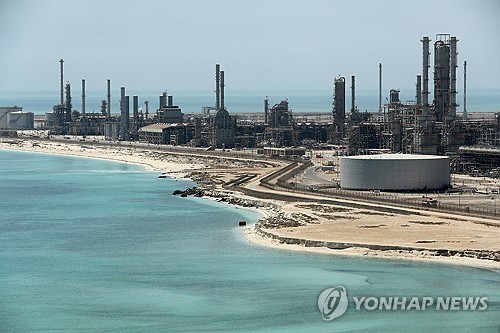
Oil prices tumble as Hormuz traffic recovers, WTI drops below $70
Global oil prices dropped as supply fears faded and WTI moved below $70 a barrel. The main drivers were increased traffic through the Strait of Hormuz and resumed Saudi crude shipments. For Korea, the decline can ease cost pressure on refiners, airlines and petrochemical firms, but retail fuel prices respond with a lag because exchange rates, fuel taxes and
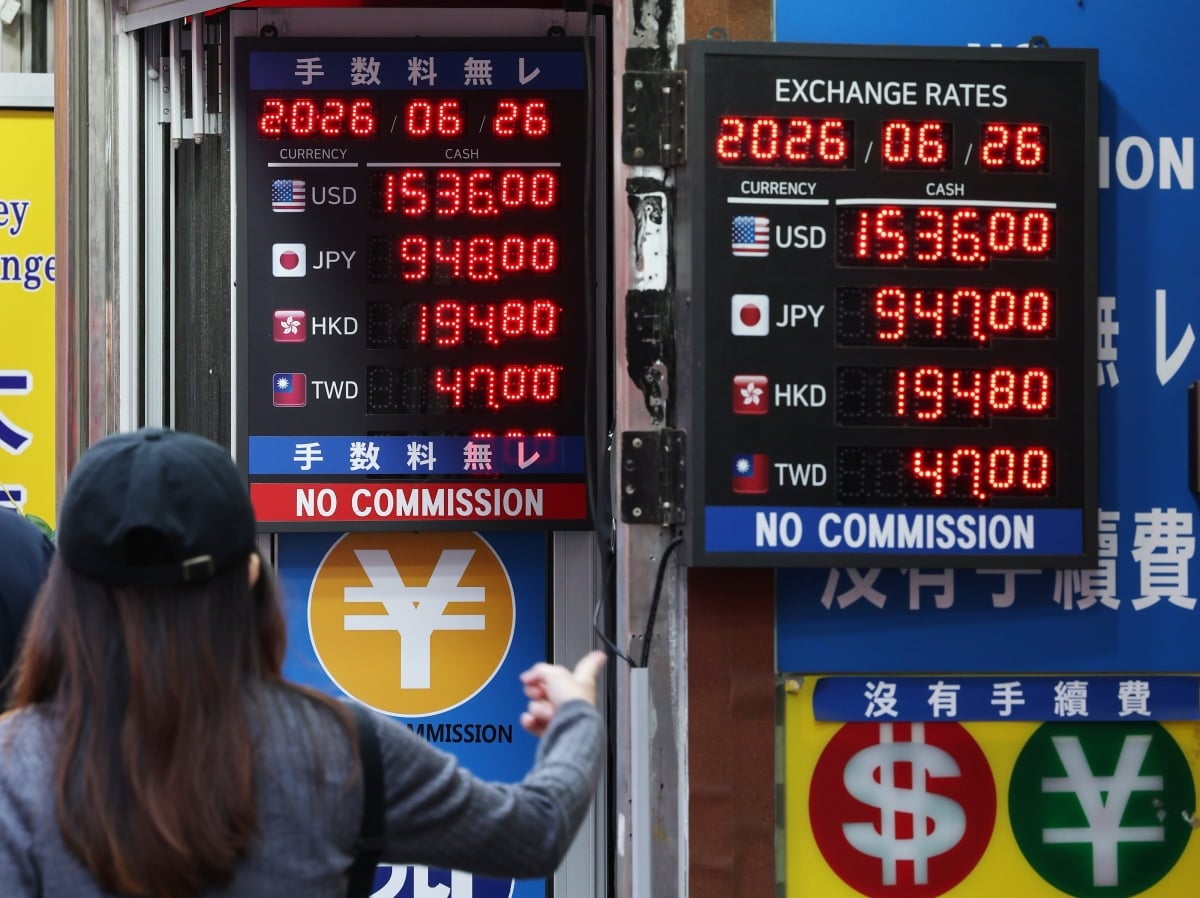
Dollar-Won Rate Falls to 1,532 After Touching 1,549, Intervention Suspected
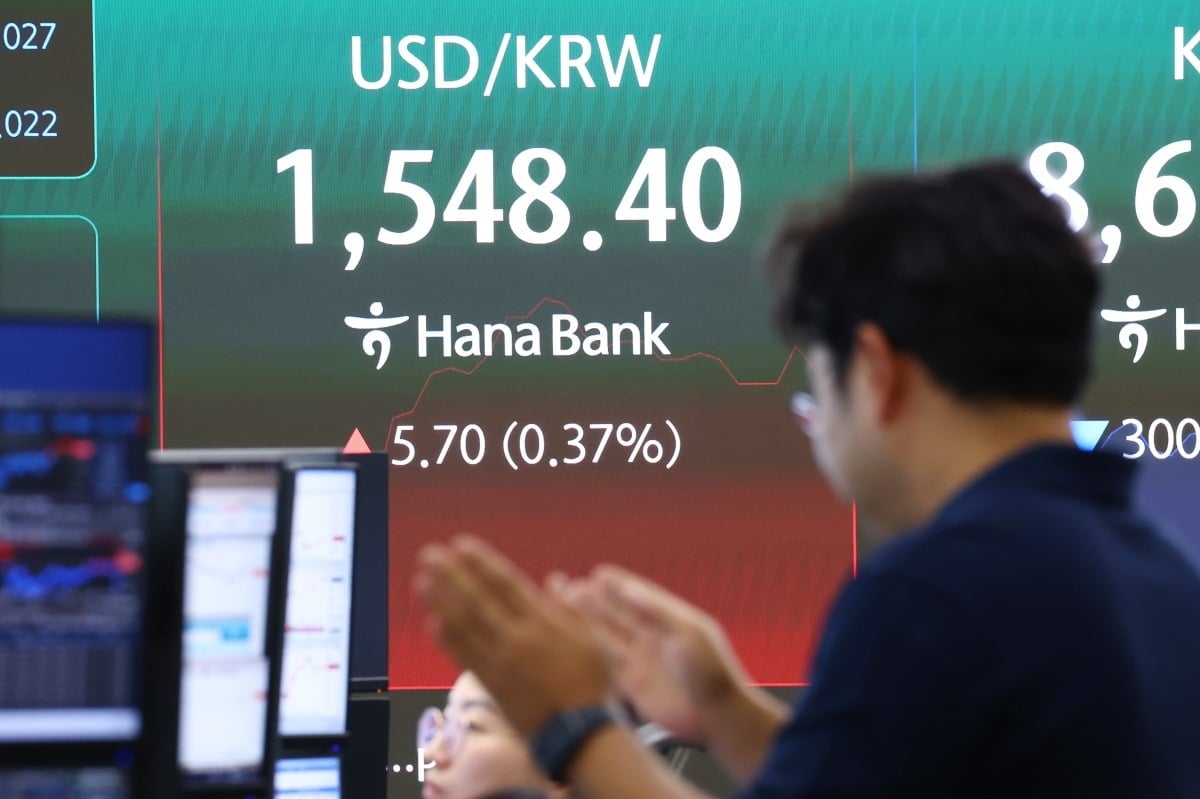
The dollar-won rate surged to the 1,549 range, intensifying pressure on the Korean won. It later retreated to around 1,532 as suspected dollar-selling linked to authorities emerged. The move matters for import costs, overseas investments and Korean stock-market sentiment.
Dollar Surge Pushes Won-Dollar Rate Up for Fifth Day, Nearing 1,550 Won
The won-dollar exchange rate has advanced for five consecutive trading days, approaching the 1,550 won mark. A stronger dollar increases import costs, energy bills and foreign-currency debt pressure. Korean stocks are expected to react sensitively to foreign fund flows and corporate hedging demand.
USD/KRW closes at 1,537.0 won, up 10.0 as Korean won weakens
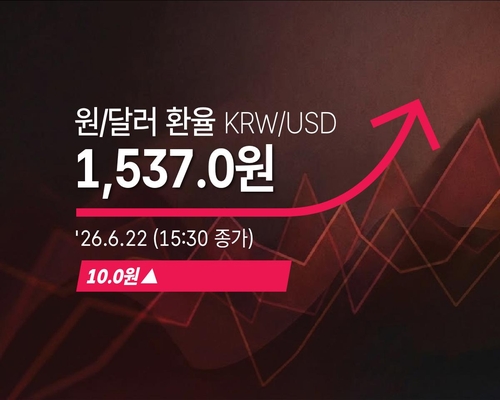
USD/KRW ended at 1,537.0 won at the 15:30 close, up 10.0 won from the previous session. The higher dollar price signals renewed weakness in the Korean won. Import payments, remittances and new dollar investments now face a higher conversion cost.
Korean Treasury Yields Rise as FX Rate Jumps, 3-Year Ends at 3.810%
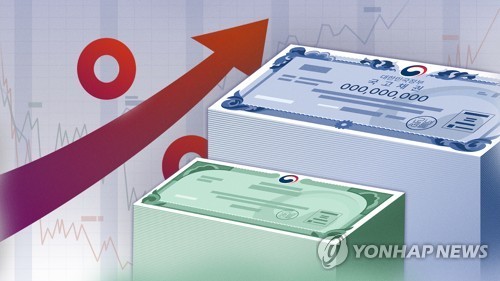
Korean government bond yields rose broadly on the 22nd as the exchange rate surged. The 3-year yield closed at 3.810%, showing heightened caution in the domestic bond market. Won weakness raised concerns over foreign flows, inflation and funding costs. Investors are watching FX moves and policy signals closely.

Won-Dollar Rate Seen Near 1,450 as Middle East Tensions Ease and Oil Stabilizes
The won-dollar exchange rate is expected to move toward stability in the second half. The U.S.-Iran end-of-war agreement has reduced Middle East risk and eased oil supply concerns. Improving exports should add support for the won, placing the exchange rate near 1,450 per dollar.
Won-Dollar Rate Opens at 1,530.9, Up 3.9 Won as Cost Pressure Returns
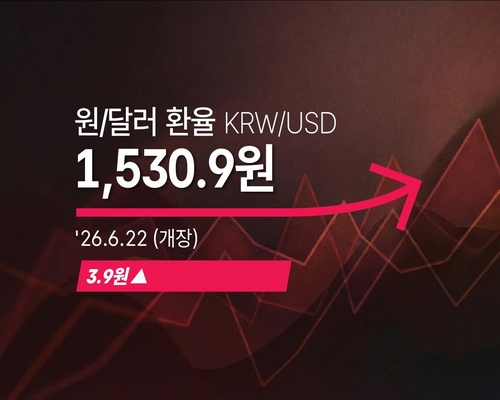
The won-dollar exchange rate opened at 1,530.9 on June 22, rising 3.9 won from the previous session. The move points to early dollar demand and renewed pressure on the Korean won. A higher rate can lift import costs, foreign-currency debt burdens and market volatility.