Korean Treasury Yields Mixed as FX Burden Meets Safety Demand, 3-Year at 3.722%
Korean government bond yields were mixed on the 26th as currency pressure and safe-haven buying collided. The stock-market slide supported demand for government bonds, while won weakness limited a broader fall in yields. The 3-year Treasury yield was recorded at 3.722%.
Korean Treasury yields ended mixed on the 26th as the bond market struggled to choose a single direction. Pressure from the exchange rate added upward force to yields, but a sharp fall in equities strengthened demand for safer assets. As a result, moves differed by maturity, with the 3-year Korean Treasury yield standing at 3.722%.
FX Pressure Versus Safety Demand
The key variables were the won-dollar exchange rate and the stock market. A weaker won can raise concerns about import prices and inflation expectations, making it harder for bond yields to fall. It can also increase currency-loss concerns for foreign investors. At the same time, a sharp decline in stocks often pushes investors toward government bonds as a defensive asset. Those two forces collided in the session.
Why the 3-Year Yield Matters
The 3-year sector is closely watched because it reflects expectations for the policy rate and short-term funding conditions. A higher yield can improve coupon income for new bond buyers, but it may weigh on the market value of bonds already held. The movement also matters for bank bonds, corporate bonds and lending rates, which can affect financing costs for households and companies.
Market Outlook
The mixed trading shows that Korea’s bond market is responding to several variables at once. If currency pressure persists, bond buying may weaken. If equity volatility deepens, government bonds can regain safe-haven demand. Investors are likely to keep watching the won-dollar rate, stock-market swings and foreign bond flows.
Key points
- Korean government bond yields were mixed on the 26th as currency pressure and safe-haven buying collided. The stock-market slide supported demand for government bonds, while won weakness limited a broader fall in yields. The 3-year Treasury yield was recorded at 3.722%.
- Use the body and FAQ context before acting on this update.
- Compare with related issues inside the category hub.
FAQ
Why were Korean Treasury yields mixed?
Currency pressure pushed yields upward, while safe-haven demand from the stock selloff supported bond buying.
What was the 3-year Korean Treasury yield?
The 3-year yield was recorded at 3.722%.
What does this mean for investors?
New buyers may find better yield income, while holders of existing bonds face valuation swings.
Latest stories

Won-Dollar Rate Seen Near 1,450 as Middle East Tensions Ease and Oil Stabilizes
The won-dollar exchange rate is expected to move toward stability in the second half. The U.S.-Iran end-of-war agreement has reduced Middle East risk and eased oil supply concerns. Improving exports should add support for the won, placing the exchange rate near 1,450 per dollar.
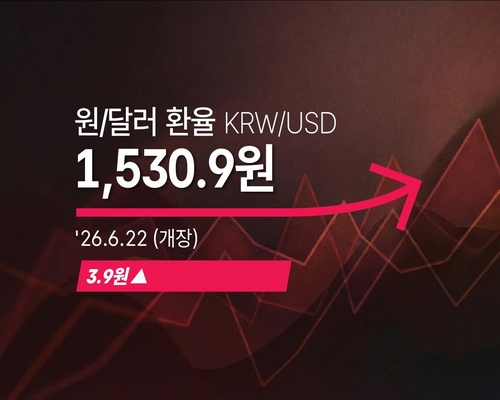
Won-Dollar Rate Opens at 1,530.9, Up 3.9 Won as Cost Pressure Returns
The won-dollar exchange rate opened at 1,530.9 on June 22, rising 3.9 won from the previous session. The move points to early dollar demand and renewed pressure on the Korean won. A higher rate can lift import costs, foreign-currency debt burdens and market volatility.
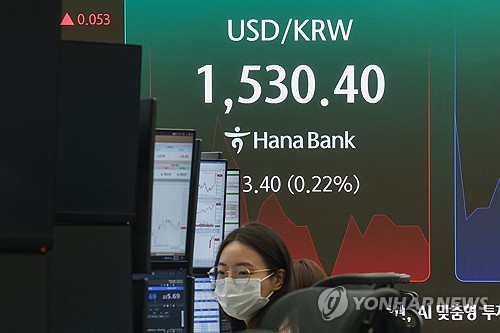
Won-Dollar Rate Opens Higher in 1,530 Range on U.S.-Iran Talks Uncertainty
The won-dollar exchange rate edged higher early on June 22, opening in the 1,530 range. Uncertainty surrounding U.S.-Iran follow-up negotiations revived demand for the safe-haven dollar. The move may add short-term pressure on Korean import costs and investor sentiment.

Japan’s Three Megabanks to Issue Yen Stablecoin by March 2027, Reshaping Settlement
Japan’s three megabanks will jointly issue a yen-based stablecoin by the end of fiscal 2026, which closes in March 2027. A 1 coin to 1 yen structure could change the speed and cost of corporate settlement and tokenized-asset payments. At roughly 940 won per 100 yen, Korean companies trading with Japan may see direct settlement impacts. Korea’s debate over wo
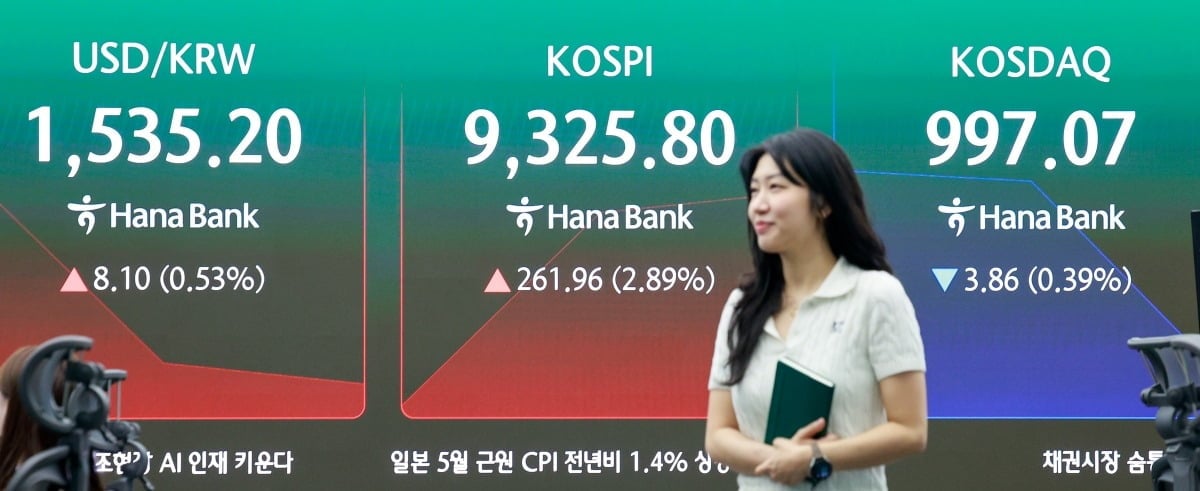
Dollar-Won Rate Tops 1,520 in June, Highest Since Asian Financial Crisis
The dollar-won rate moved above 1,520 in June, marking the highest level since the Asian financial crisis. The weaker won raises the cost of dollar payments for imports, travel and tuition. Korean equities face added sensitivity to foreign investor flows and FX losses. Companies need to review dollar liquidity, invoice timing and hedge ratios.

Oil Prices Fall 30%, but Korean Fuel Costs Stay High as Pump Relief Lags
Global oil prices fell 30% over the past month after the U.S.-Iran ceasefire agreement, but Korean pump prices have not moved down at the same pace. The delay comes from import timing, the won-dollar exchange rate, fuel taxes, inventories and retail pricing. If lower crude prices persist, domestic fuel prices are likely to ease gradually, but not by the full

Won-Dollar Rate Trapped in 1,500 Won Range as Bonds Turn Cautious
The won-dollar rate is holding inside the 1,500 won range as dollar buyers and sellers reach a temporary balance. The bond market is tracking the rate path and foreign flows rather than chasing a one-way trade. At 1,500 won per dollar, a USD 10,000 payment converts into the 15 million won range, raising costs for importers, students and global investors. Hed