Korea Construction Output Falls for 24th Month, Surpassing Past Crisis Slumps
Construction production in South Korea has declined year on year for 24 consecutive months. The downturn has now lasted longer than the slumps seen during the Asian financial crisis and the global financial crisis. High financing costs, weak property demand and pressure in project financing are delaying recovery. The weakness may weigh on domestic demand, jo
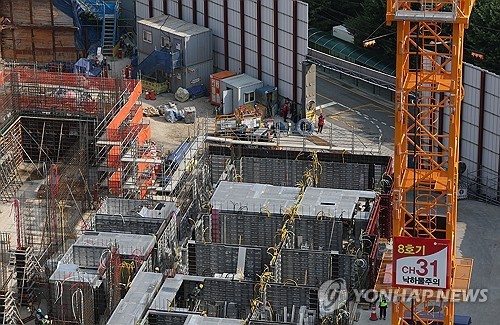
South Korea’s construction output has fallen year on year for 24 straight months, exposing one of the weakest links in the domestic economy. The decline is now the longest in the statistical record, exceeding the downturns seen during the Asian financial crisis and the global financial crisis. Slower housing sales, higher building costs and tighter real estate project financing have turned construction into a major drag on domestic demand.
What the record decline means
Construction output tracks actual work done in building, civil engineering and related projects. A two-year slide means the problem is not a short monthly fluctuation. It signals weaker orders, delayed starts, tighter funding and slower execution at sites. Because construction is closely tied to steel, cement, transport, finance and employment, prolonged weakness can spread quickly through the broader economy.
Financing stress delays recovery
The slump reflects high borrowing costs and softer property demand. Even with rate-cut expectations rising, developers still face strict loan screening, refinancing pressure and unsold inventory risks. Builders are reviewing new projects more cautiously, while lenders are reducing exposure to weaker sites. In won terms, labor and material costs remain elevated, making new starts harder to justify.
Market impact and outlook
Lower construction output directly affects jobs, subcontractors, equipment rental firms and materials suppliers. Real estate project-finance exposure at banks, savings banks and brokerages will remain under scrutiny. In the FX market, weak construction can be read as a sign of slower domestic demand, limiting room for won strength. A recovery is likely to require more new starts, stable funding conditions and a gradual easing of unsold housing pressure.
Key points
- Construction production in South Korea has declined year on year for 24 consecutive months. The downturn has now lasted longer than the slumps seen during the Asian financial crisis and the global financial crisis. High financing costs, weak property demand and pressure in project financing are delaying recovery. The weakness may weigh on domestic demand, jo
- Use the body and FAQ context before acting on this update.
- Compare with related issues inside the category hub.
FAQ
Why does construction output matter?
It measures actual construction activity and has wide links to materials, transport, finance and employment, making it important for the broader economy.
What makes this decline notable?
Output has fallen year on year for 24 consecutive months, longer than the downturns during the Asian and global financial crises.
What is needed for recovery?
A recovery needs more new project starts, stable project-finance markets, lower financing costs and easing unsold housing pressure.
Latest stories
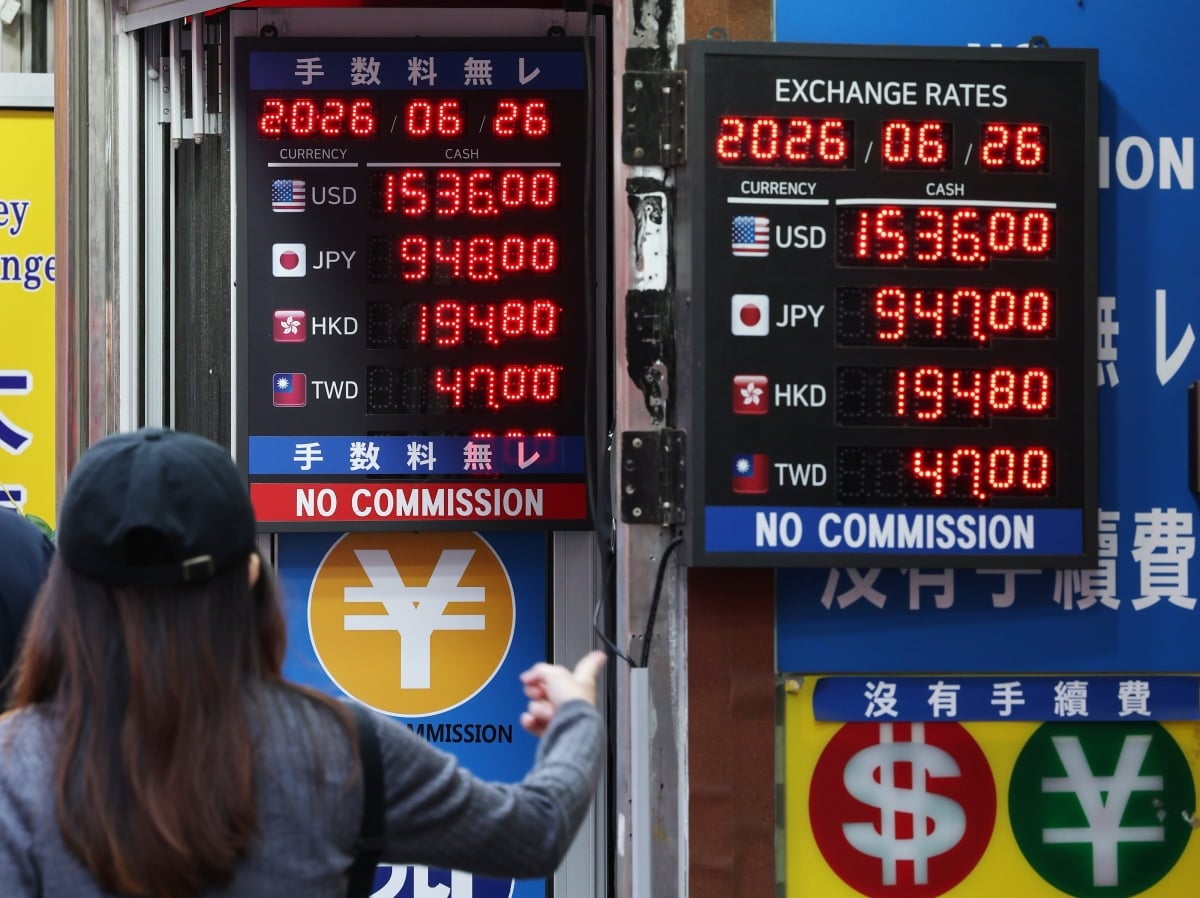
Dollar-Won Rate Falls to 1,532 After Touching 1,549, Intervention Suspected
The dollar-won rate surged to the 1,549 range, intensifying pressure on the Korean won. It later retreated to around 1,532 as suspected dollar-selling linked to authorities emerged. The move matters for import costs, overseas investments and Korean stock-market sentiment.
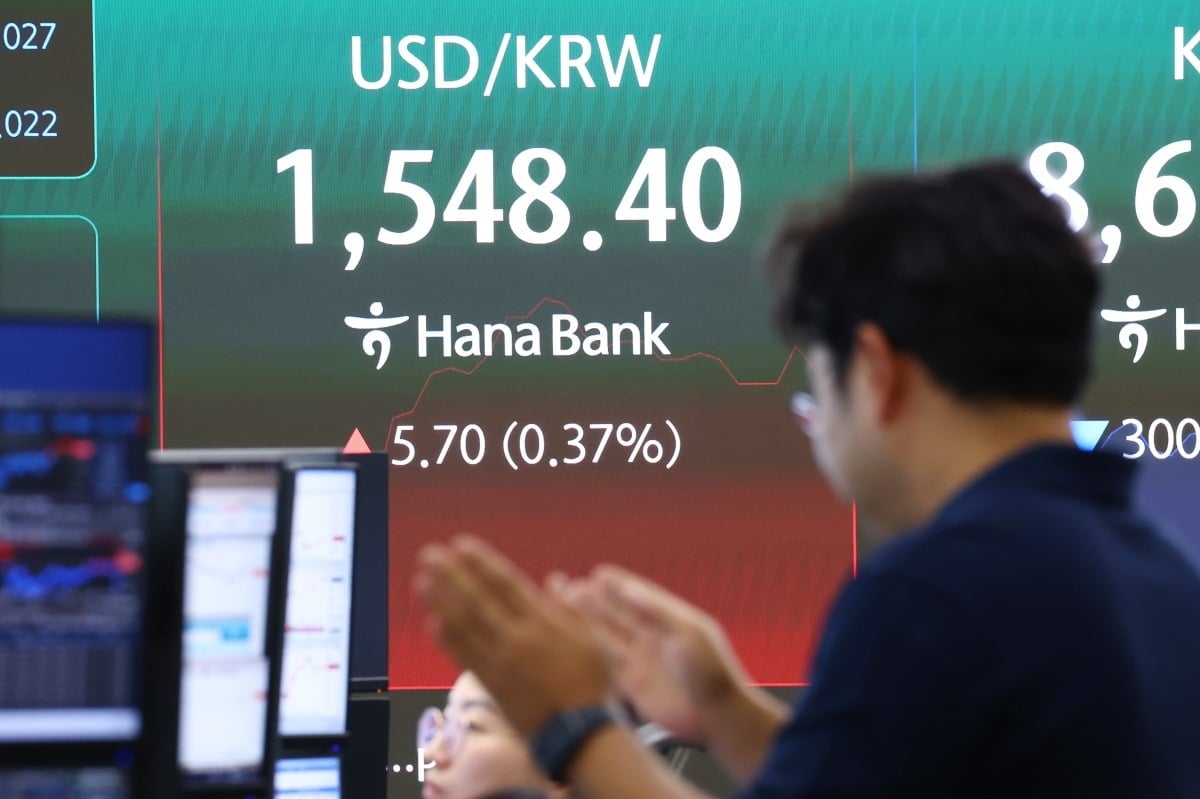
Dollar Surge Pushes Won-Dollar Rate Up for Fifth Day, Nearing 1,550 Won
The won-dollar exchange rate has advanced for five consecutive trading days, approaching the 1,550 won mark. A stronger dollar increases import costs, energy bills and foreign-currency debt pressure. Korean stocks are expected to react sensitively to foreign fund flows and corporate hedging demand.
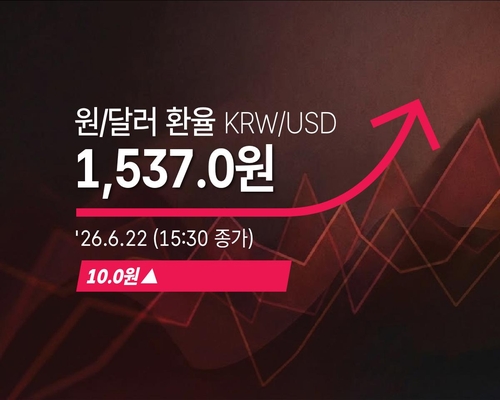
USD/KRW closes at 1,537.0 won, up 10.0 as Korean won weakens
USD/KRW ended at 1,537.0 won at the 15:30 close, up 10.0 won from the previous session. The higher dollar price signals renewed weakness in the Korean won. Import payments, remittances and new dollar investments now face a higher conversion cost.

Korean Treasury Yields Rise as FX Rate Jumps, 3-Year Ends at 3.810%
Korean government bond yields rose broadly on the 22nd as the exchange rate surged. The 3-year yield closed at 3.810%, showing heightened caution in the domestic bond market. Won weakness raised concerns over foreign flows, inflation and funding costs. Investors are watching FX moves and policy signals closely.

Won-Dollar Rate Seen Near 1,450 as Middle East Tensions Ease and Oil Stabilizes
The won-dollar exchange rate is expected to move toward stability in the second half. The U.S.-Iran end-of-war agreement has reduced Middle East risk and eased oil supply concerns. Improving exports should add support for the won, placing the exchange rate near 1,450 per dollar.
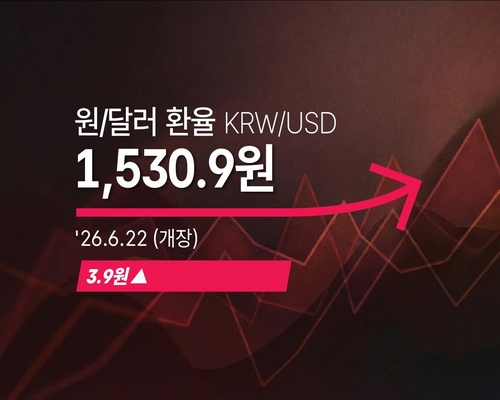
Won-Dollar Rate Opens at 1,530.9, Up 3.9 Won as Cost Pressure Returns
The won-dollar exchange rate opened at 1,530.9 on June 22, rising 3.9 won from the previous session. The move points to early dollar demand and renewed pressure on the Korean won. A higher rate can lift import costs, foreign-currency debt burdens and market volatility.
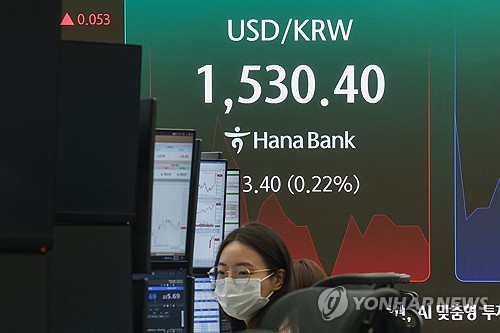
Won-Dollar Rate Opens Higher in 1,530 Range on U.S.-Iran Talks Uncertainty
The won-dollar exchange rate edged higher early on June 22, opening in the 1,530 range. Uncertainty surrounding U.S.-Iran follow-up negotiations revived demand for the safe-haven dollar. The move may add short-term pressure on Korean import costs and investor sentiment.

Japan’s Three Megabanks to Issue Yen Stablecoin by March 2027, Reshaping Settlement
Japan’s three megabanks will jointly issue a yen-based stablecoin by the end of fiscal 2026, which closes in March 2027. A 1 coin to 1 yen structure could change the speed and cost of corporate settlement and tokenized-asset payments. At roughly 940 won per 100 yen, Korean companies trading with Japan may see direct settlement impacts. Korea’s debate over wo