Oil prices tumble as Hormuz traffic recovers, WTI drops below $70
Global oil prices dropped as supply fears faded and WTI moved below $70 a barrel. The main drivers were increased traffic through the Strait of Hormuz and resumed Saudi crude shipments. For Korea, the decline can ease cost pressure on refiners, airlines and petrochemical firms, but retail fuel prices respond with a lag because exchange rates, fuel taxes and
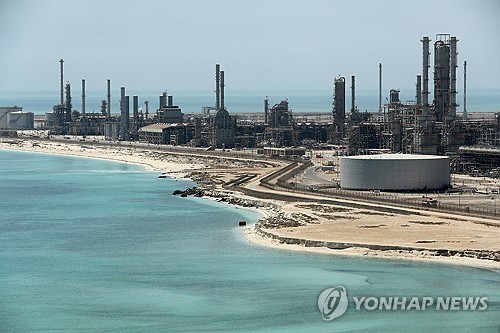
Global oil prices fell sharply in New York trading on June 26 as the market removed part of the supply-risk premium. More vessels moved through the Strait of Hormuz, and Saudi Arabia resumed crude shipments, reducing fears of a near-term shortage. West Texas Intermediate, or WTI, slipped below $70 a barrel, turning the recent geopolitical premium into a clear downward move.
Hormuz and Saudi flows ease supply fears
The Strait of Hormuz is a critical route for Middle Eastern crude and liquefied natural gas. When traffic slows, freight, insurance and replacement costs rise quickly. The latest move was the opposite. Higher transit volume and resumed Saudi shipments weakened buying linked to shortage fears. WTI for August delivery closed in the $69 range, while Brent moved near $72, showing that the risk premium narrowed across major benchmarks.
Korea impact and outlook
At a WTI price in the $69 range, a won conversion using a dollar-won rate in the mid-to-high 1,300s puts crude around the mid-90,000 won range per barrel before transport, refining, tax and distribution costs. That helps Korean refiners, airlines and petrochemical companies. Pump prices may fall later, but not immediately, because local fuel prices also reflect Singapore product prices, the exchange rate, fuel-tax policy and inventory cycles. If Hormuz traffic and Saudi shipments remain stable, WTI may test a range from the high $60s to the low $70s. Renewed Middle East tension or higher shipping insurance could quickly restore the risk premium.
Key points
- Global oil prices dropped as supply fears faded and WTI moved below $70 a barrel. The main drivers were increased traffic through the Strait of Hormuz and resumed Saudi crude shipments. For Korea, the decline can ease cost pressure on refiners, airlines and petrochemical firms, but retail fuel prices respond with a lag because exchange rates, fuel taxes and
- Use the body and FAQ context before acting on this update.
- Compare with related issues inside the category hub.
FAQ
Why did WTI fall below $70?
Supply fears eased as traffic through the Strait of Hormuz increased and Saudi crude shipments resumed, reducing the risk premium in oil prices.
Will Korean pump prices fall immediately?
Not at the same pace. Korean fuel prices also depend on refined-product prices, the dollar-won rate, fuel taxes and inventory turnover.
What matters next for oil prices?
The key variables are Hormuz traffic, Saudi shipment stability, Middle East tension, shipping insurance costs and the dollar-won exchange rate.
Latest stories
Won-Dollar Rate Opens Higher in 1,530 Range on U.S.-Iran Talks Uncertainty
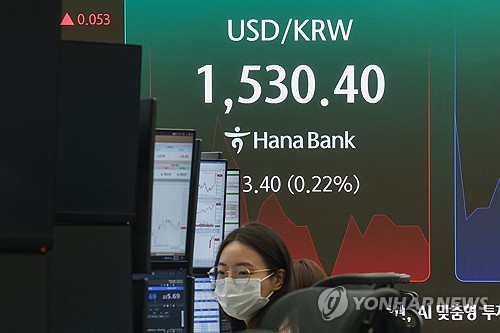
The won-dollar exchange rate edged higher early on June 22, opening in the 1,530 range. Uncertainty surrounding U.S.-Iran follow-up negotiations revived demand for the safe-haven dollar. The move may add short-term pressure on Korean import costs and investor sentiment.

Japan’s Three Megabanks to Issue Yen Stablecoin by March 2027, Reshaping Settlement
Japan’s three megabanks will jointly issue a yen-based stablecoin by the end of fiscal 2026, which closes in March 2027. A 1 coin to 1 yen structure could change the speed and cost of corporate settlement and tokenized-asset payments. At roughly 940 won per 100 yen, Korean companies trading with Japan may see direct settlement impacts. Korea’s debate over wo
Dollar-Won Rate Tops 1,520 in June, Highest Since Asian Financial Crisis
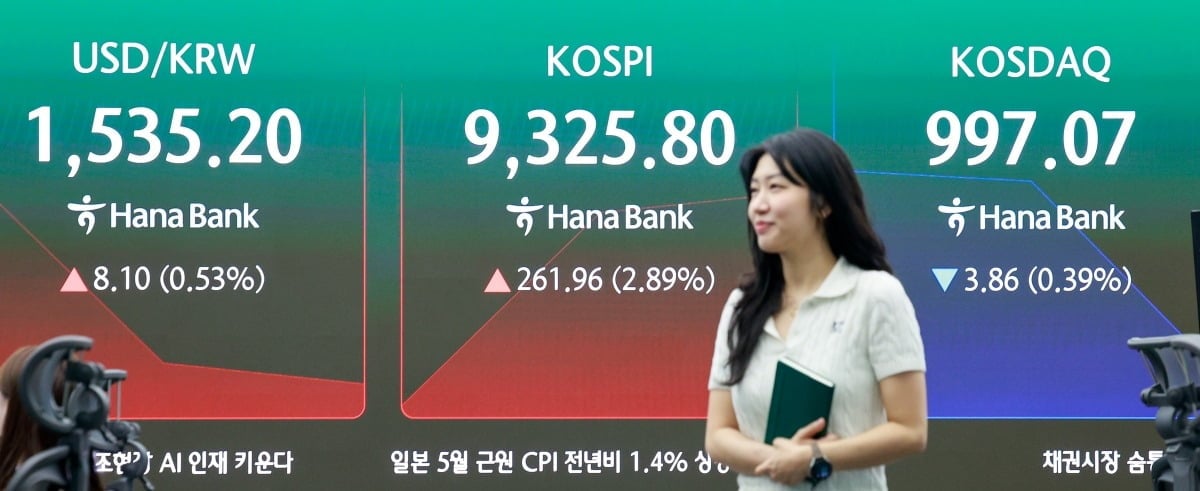
The dollar-won rate moved above 1,520 in June, marking the highest level since the Asian financial crisis. The weaker won raises the cost of dollar payments for imports, travel and tuition. Korean equities face added sensitivity to foreign investor flows and FX losses. Companies need to review dollar liquidity, invoice timing and hedge ratios.

Oil Prices Fall 30%, but Korean Fuel Costs Stay High as Pump Relief Lags
Global oil prices fell 30% over the past month after the U.S.-Iran ceasefire agreement, but Korean pump prices have not moved down at the same pace. The delay comes from import timing, the won-dollar exchange rate, fuel taxes, inventories and retail pricing. If lower crude prices persist, domestic fuel prices are likely to ease gradually, but not by the full

Won-Dollar Rate Trapped in 1,500 Won Range as Bonds Turn Cautious
The won-dollar rate is holding inside the 1,500 won range as dollar buyers and sellers reach a temporary balance. The bond market is tracking the rate path and foreign flows rather than chasing a one-way trade. At 1,500 won per dollar, a USD 10,000 payment converts into the 15 million won range, raising costs for importers, students and global investors. Hed