Gold XAU/USD Wave IV Correction Nears Late Stage as Rebound Test Builds
Gold XAU/USD is moving through the late phase of an Elliott Wave IV correction. The structure points to consolidation after the strong Wave III advance, not a confirmed trend reversal. A defense of support and a break of short-term resistance will decide whether Wave V can develop.

Gold spot XAU/USD is approaching the late stage of its Wave IV correction. The market remains in a cooling phase after the strong Wave III rally, and the move is better read as consolidation within a broader upward structure than as a confirmed bearish reversal.
Wave IV Signals
In Elliott Wave analysis, Wave IV usually retraces part of Wave III. The 38.2%, 50% and sometimes 61.8% Fibonacci retracement areas are the main zones watched by traders. The current XAU/USD structure looks more like a mix of time correction and price correction than a sharp breakdown. A late-stage Wave IV does not remove downside risk; it means the correction pressure is maturing. A higher low, reduced selling momentum and a short-term resistance breakout would strengthen the rebound case.
Impact for Korean Investors
Korean investors must read gold through both the international price and USD/KRW. Even if XAU/USD is flat, a weaker won can lift the local gold price. Gold trades by troy ounce, and one troy ounce equals about 31.1035 grams. A rough won-per-gram estimate comes from multiplying the dollar gold price by USD/KRW and dividing by 31.1035. Taxes, fees and product structure also differ across KRX gold, gold ETFs and bank gold accounts.
Outlook
If gold recovers near-term resistance, the Wave V scenario gains weight. If the correction low breaks again, Wave IV can extend. U.S. rate expectations, the dollar index, real yields and geopolitical risk remain the main drivers. The present setup is clear: XAU/USD is late in correction, but confirmation still depends on support holding and resistance giving way.
Key points
- Gold XAU/USD is moving through the late phase of an Elliott Wave IV correction. The structure points to consolidation after the strong Wave III advance, not a confirmed trend reversal. A defense of support and a break of short-term resistance will decide whether Wave V can develop.
- Use the body and FAQ context before acting on this update.
- Compare with related issues inside the category hub.
FAQ
What is Wave IV in gold XAU/USD?
It is the correction phase after a strong Wave III advance, usually viewed as a cooling period rather than proof that the larger uptrend has ended.
Does a late-stage Wave IV mean gold must rise immediately?
No. It means the correction is maturing. Support must hold and short-term resistance must break for a stronger rebound signal.
What should Korean investors watch?
They should monitor XAU/USD, USD/KRW, fees, taxes and the structure of KRX gold, gold ETFs and bank gold products.
Latest stories
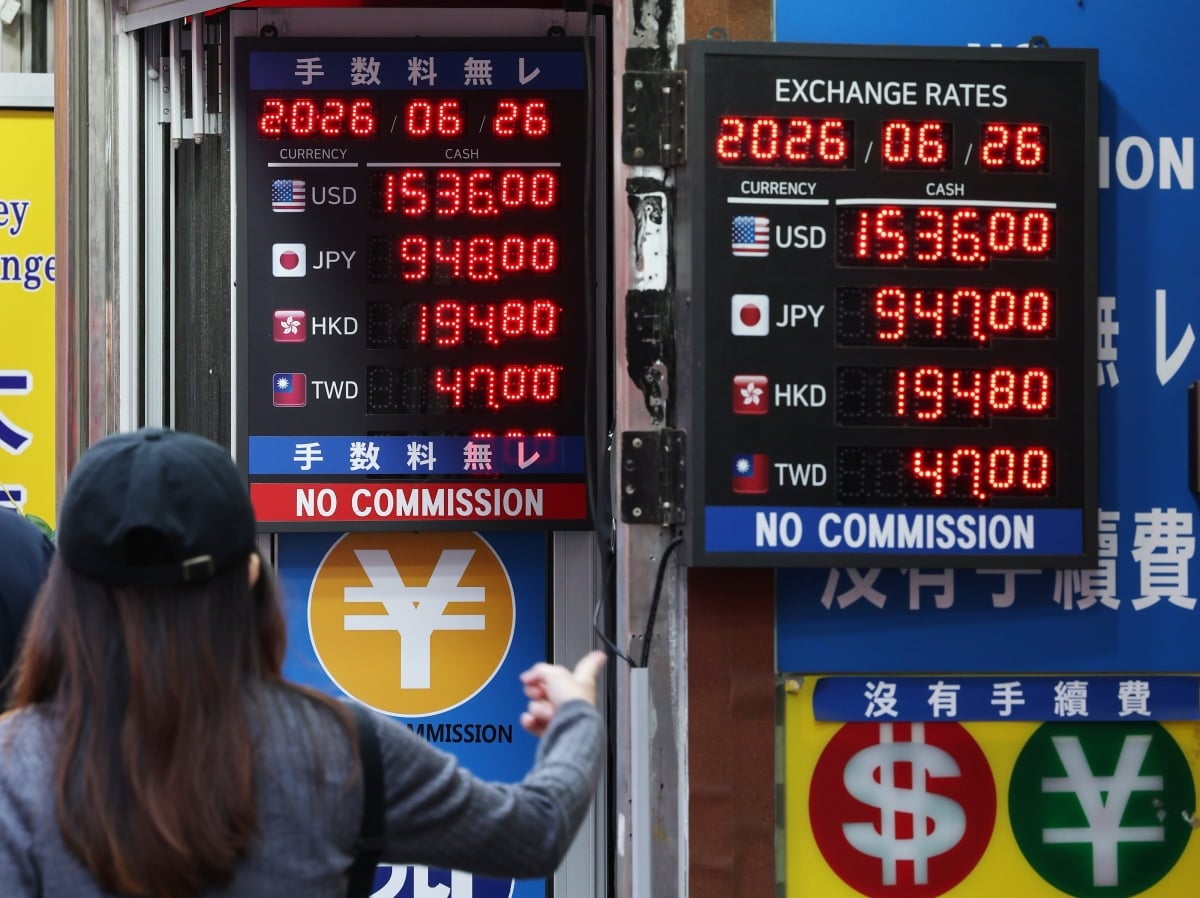
Dollar-Won Rate Falls to 1,532 After Touching 1,549, Intervention Suspected
The dollar-won rate surged to the 1,549 range, intensifying pressure on the Korean won. It later retreated to around 1,532 as suspected dollar-selling linked to authorities emerged. The move matters for import costs, overseas investments and Korean stock-market sentiment.
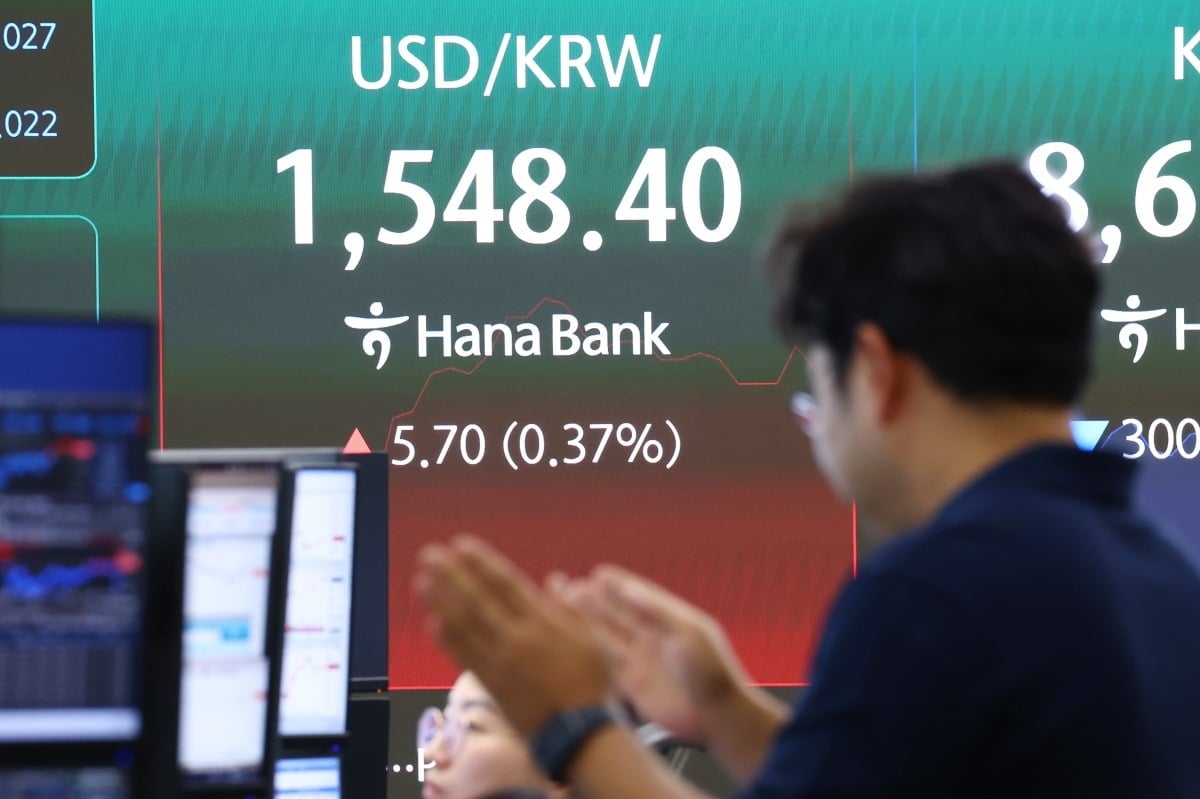
Dollar Surge Pushes Won-Dollar Rate Up for Fifth Day, Nearing 1,550 Won
The won-dollar exchange rate has advanced for five consecutive trading days, approaching the 1,550 won mark. A stronger dollar increases import costs, energy bills and foreign-currency debt pressure. Korean stocks are expected to react sensitively to foreign fund flows and corporate hedging demand.
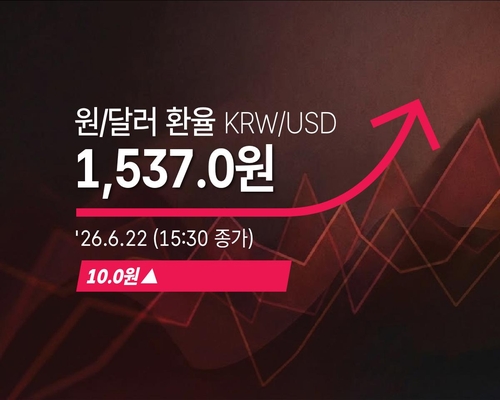
USD/KRW closes at 1,537.0 won, up 10.0 as Korean won weakens
USD/KRW ended at 1,537.0 won at the 15:30 close, up 10.0 won from the previous session. The higher dollar price signals renewed weakness in the Korean won. Import payments, remittances and new dollar investments now face a higher conversion cost.

Korean Treasury Yields Rise as FX Rate Jumps, 3-Year Ends at 3.810%
Korean government bond yields rose broadly on the 22nd as the exchange rate surged. The 3-year yield closed at 3.810%, showing heightened caution in the domestic bond market. Won weakness raised concerns over foreign flows, inflation and funding costs. Investors are watching FX moves and policy signals closely.

Won-Dollar Rate Seen Near 1,450 as Middle East Tensions Ease and Oil Stabilizes
The won-dollar exchange rate is expected to move toward stability in the second half. The U.S.-Iran end-of-war agreement has reduced Middle East risk and eased oil supply concerns. Improving exports should add support for the won, placing the exchange rate near 1,450 per dollar.
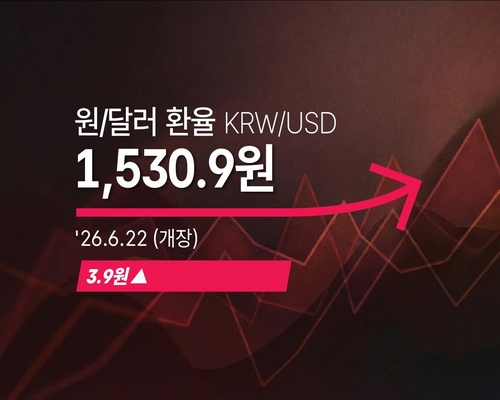
Won-Dollar Rate Opens at 1,530.9, Up 3.9 Won as Cost Pressure Returns
The won-dollar exchange rate opened at 1,530.9 on June 22, rising 3.9 won from the previous session. The move points to early dollar demand and renewed pressure on the Korean won. A higher rate can lift import costs, foreign-currency debt burdens and market volatility.
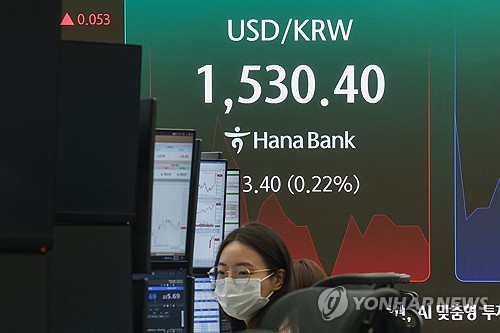
Won-Dollar Rate Opens Higher in 1,530 Range on U.S.-Iran Talks Uncertainty
The won-dollar exchange rate edged higher early on June 22, opening in the 1,530 range. Uncertainty surrounding U.S.-Iran follow-up negotiations revived demand for the safe-haven dollar. The move may add short-term pressure on Korean import costs and investor sentiment.

Japan’s Three Megabanks to Issue Yen Stablecoin by March 2027, Reshaping Settlement
Japan’s three megabanks will jointly issue a yen-based stablecoin by the end of fiscal 2026, which closes in March 2027. A 1 coin to 1 yen structure could change the speed and cost of corporate settlement and tokenized-asset payments. At roughly 940 won per 100 yen, Korean companies trading with Japan may see direct settlement impacts. Korea’s debate over wo