USD/KRW Rate Averaged Above 1,500 in Q2, First Since FX Crisis
The won-dollar exchange rate moved above 1,500 won per dollar on a second-quarter average, the first such quarter since the Asian financial crisis. It has failed to return to the 1,400 range for 29 straight trading days. Importers, travelers, students abroad and companies with dollar liabilities now face heavier won-denominated costs.
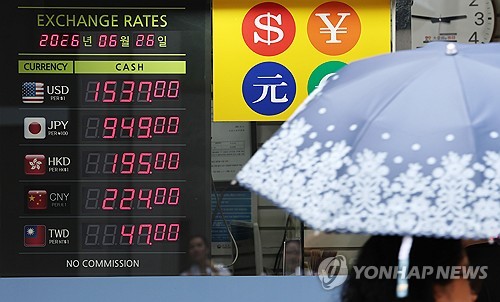
The won-dollar exchange rate entered a higher zone in the second quarter. Its average moved above 1,500 won per dollar, the first quarterly average above that level since the Asian financial crisis. This is no longer a one-day spike. It changes the price of dollar settlement for companies and the cost of exchange for households across Korea.
A Higher Baseline
The rate has failed to return to the 1,400 range for 29 consecutive trading days. That means importers and families sending money overseas have carried a high exchange-rate burden through the quarter. Energy, grain and metal purchases cost more in won terms, and manufacturers must decide whether to absorb the hit or adjust prices. Even a 10 won move can make a large difference for firms with major dollar payments.
Pressure on Korea
Consumers feel the impact through overseas travel, tuition remittances, direct purchases, fuel and food prices. Korean banks and companies also need tighter foreign-currency liquidity, short-term debt and hedge management. The outlook depends on the dollar, U.S. rate expectations, trade flows and foreign investor funds. A softer dollar could reopen the 1,400 range, but the Q2 average above 1,500 makes high-rate planning unavoidable.
Key points
- The won-dollar exchange rate moved above 1,500 won per dollar on a second-quarter average, the first such quarter since the Asian financial crisis. It has failed to return to the 1,400 range for 29 straight trading days. Importers, travelers, students abroad and companies with dollar liabilities now face heavier won-denominated costs.
- Use the body and FAQ context before acting on this update.
- Compare with related issues inside the category hub.
FAQ
What does a Q2 average above 1,500 won mean?
It means the cost of dollar settlement stayed high through the quarter, marking the first such level since the Asian financial crisis.
How long has USD/KRW stayed out of the 1,400 range?
The rate has not returned to the 1,400 range for 29 consecutive trading days.
How does this affect consumers in Korea?
It raises the won cost of overseas travel, tuition payments, direct purchases and imported energy or food.
Latest stories
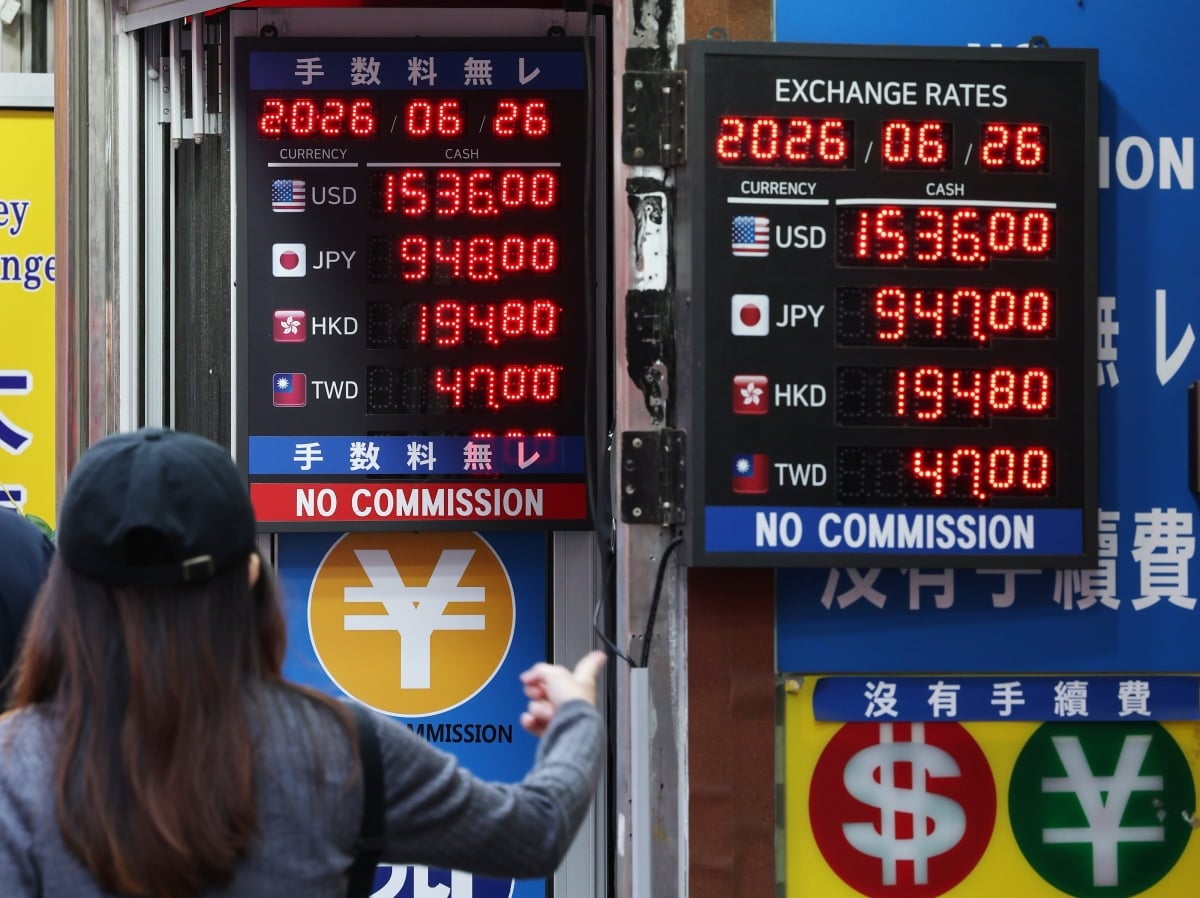
Dollar-Won Rate Falls to 1,532 After Touching 1,549, Intervention Suspected
The dollar-won rate surged to the 1,549 range, intensifying pressure on the Korean won. It later retreated to around 1,532 as suspected dollar-selling linked to authorities emerged. The move matters for import costs, overseas investments and Korean stock-market sentiment.
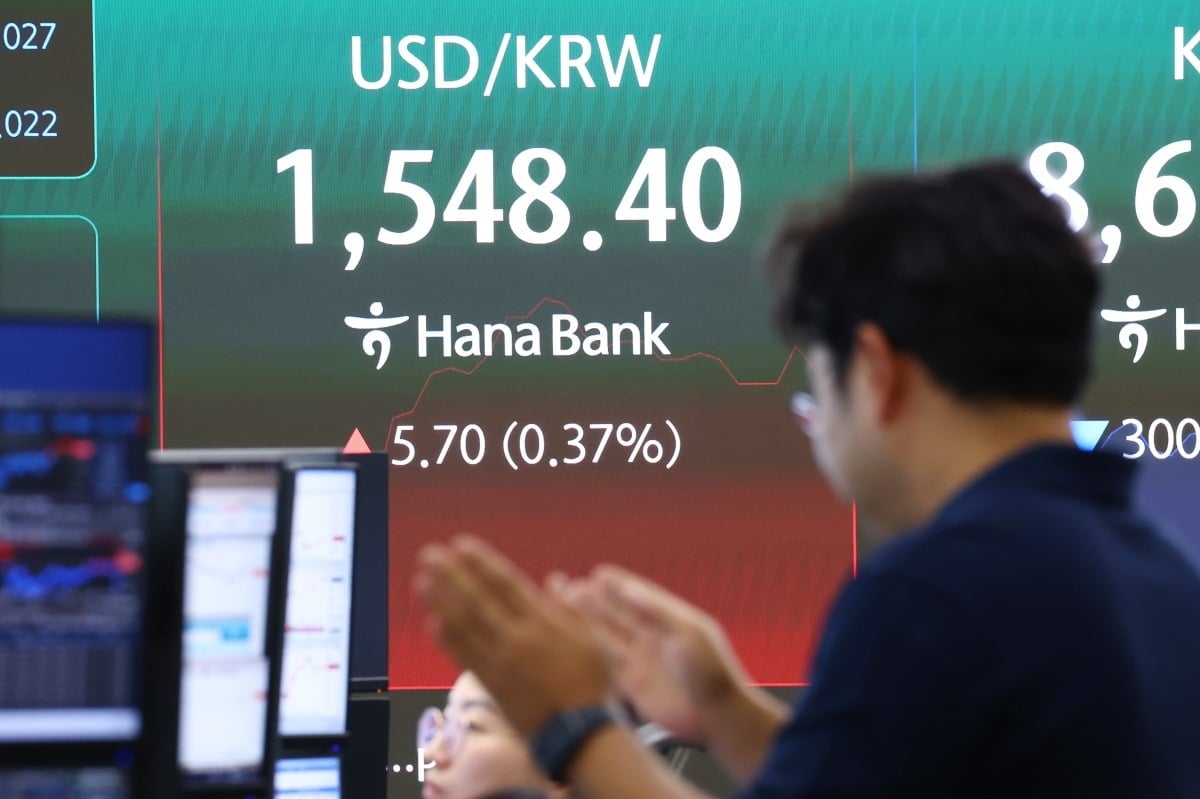
Dollar Surge Pushes Won-Dollar Rate Up for Fifth Day, Nearing 1,550 Won
The won-dollar exchange rate has advanced for five consecutive trading days, approaching the 1,550 won mark. A stronger dollar increases import costs, energy bills and foreign-currency debt pressure. Korean stocks are expected to react sensitively to foreign fund flows and corporate hedging demand.
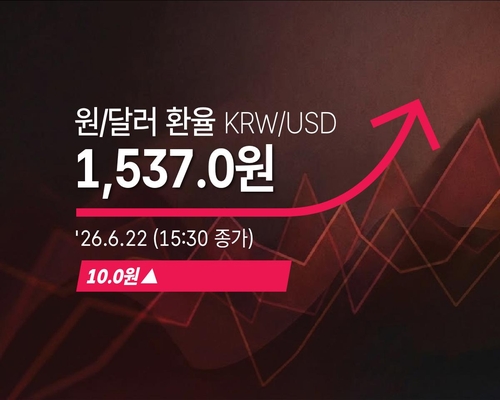
USD/KRW closes at 1,537.0 won, up 10.0 as Korean won weakens
USD/KRW ended at 1,537.0 won at the 15:30 close, up 10.0 won from the previous session. The higher dollar price signals renewed weakness in the Korean won. Import payments, remittances and new dollar investments now face a higher conversion cost.
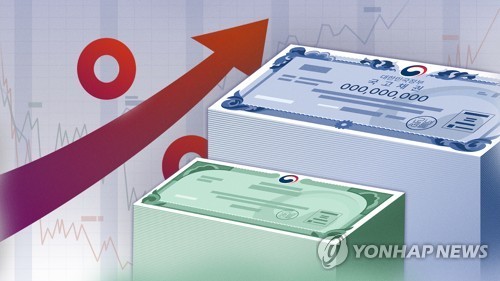
Korean Treasury Yields Rise as FX Rate Jumps, 3-Year Ends at 3.810%
Korean government bond yields rose broadly on the 22nd as the exchange rate surged. The 3-year yield closed at 3.810%, showing heightened caution in the domestic bond market. Won weakness raised concerns over foreign flows, inflation and funding costs. Investors are watching FX moves and policy signals closely.

Won-Dollar Rate Seen Near 1,450 as Middle East Tensions Ease and Oil Stabilizes
The won-dollar exchange rate is expected to move toward stability in the second half. The U.S.-Iran end-of-war agreement has reduced Middle East risk and eased oil supply concerns. Improving exports should add support for the won, placing the exchange rate near 1,450 per dollar.
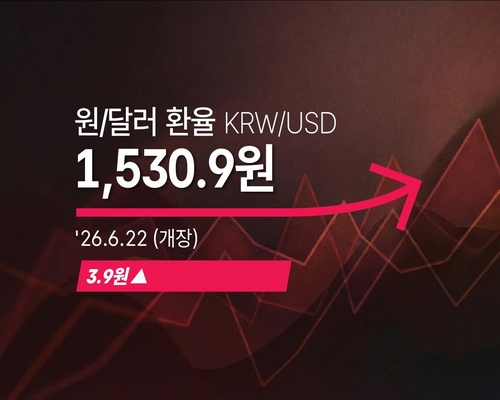
Won-Dollar Rate Opens at 1,530.9, Up 3.9 Won as Cost Pressure Returns
The won-dollar exchange rate opened at 1,530.9 on June 22, rising 3.9 won from the previous session. The move points to early dollar demand and renewed pressure on the Korean won. A higher rate can lift import costs, foreign-currency debt burdens and market volatility.
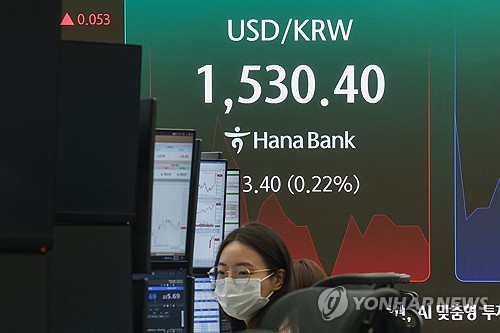
Won-Dollar Rate Opens Higher in 1,530 Range on U.S.-Iran Talks Uncertainty
The won-dollar exchange rate edged higher early on June 22, opening in the 1,530 range. Uncertainty surrounding U.S.-Iran follow-up negotiations revived demand for the safe-haven dollar. The move may add short-term pressure on Korean import costs and investor sentiment.

Japan’s Three Megabanks to Issue Yen Stablecoin by March 2027, Reshaping Settlement
Japan’s three megabanks will jointly issue a yen-based stablecoin by the end of fiscal 2026, which closes in March 2027. A 1 coin to 1 yen structure could change the speed and cost of corporate settlement and tokenized-asset payments. At roughly 940 won per 100 yen, Korean companies trading with Japan may see direct settlement impacts. Korea’s debate over wo