Won-Dollar Rate Holds in 1,550 Range for Second Day on Foreign Selling
The won-dollar exchange rate stayed in the 1,550 range for a second straight day as foreign investors sold Korean stocks. The level stands among the highest since the global financial crisis. The weaker won increases pressure on import prices, corporate costs and household currency needs.
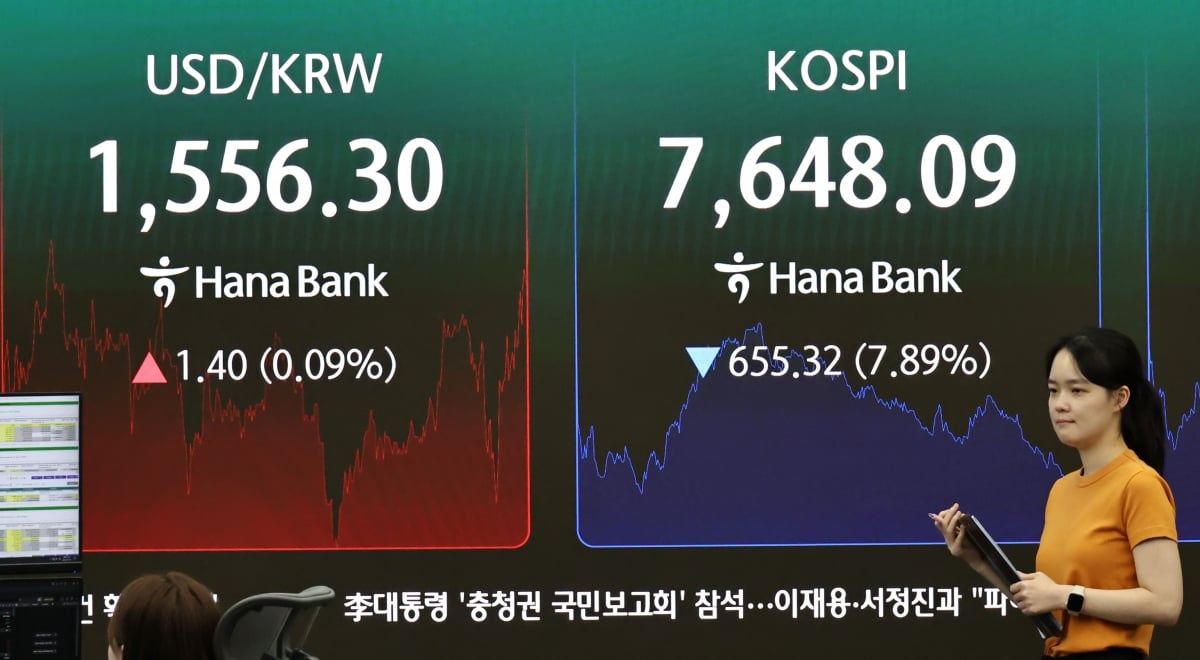
The won-dollar exchange rate remained in the 1,550 range for a second consecutive day as foreign investors continued to sell Korean equities. The won weakened into one of its lowest zones since the global financial crisis, reflecting both risk aversion and stronger dollar demand in the Seoul foreign-exchange market.
Foreign Selling Drives Won Weakness
The key pressure came from foreign investors reducing exposure to Korean stocks. When foreign selling grows, demand rises to convert won-denominated proceeds into dollars. That combination of won selling and dollar buying pushes the exchange rate higher. Weakness in the domestic equity market therefore quickly feeds into currency trading.
The 1,550 range carries more than numerical significance. It is a level associated with crisis-era stress, prompting companies, investors and authorities to pay closer attention to currency risk. A faster rise in the exchange rate can pull import settlement demand forward and strengthen the desire to hold dollars.
Impact on Prices and Companies
A weaker won directly raises import costs because oil, gas, grains and metals are largely priced in dollars. At an exchange rate in the 1,550 range, a 1 million dollar payment equals more than 1.55 billion won. That creates heavier costs for airlines, refiners, chemical firms, food companies and retailers with high import exposure.
Exporters with large dollar revenues may benefit from higher won-based sales. Still, a rapid currency move is not purely positive, especially when it comes with financial-market stress. Firms that import raw materials and parts may see costs rise faster than revenue benefits.
Outlook for Investors
The next focus is whether foreign selling eases, domestic equities stabilize and dollar preference weakens. If the rate becomes entrenched in the 1,550 range, import-price pressure and consumer-price concerns may persist. Households should review overseas stock conversions, dollar deposits, travel costs and remittances. Companies need tighter hedging, staggered payment timing and closer checks on foreign-currency debt maturities.
Key points
- The won-dollar exchange rate stayed in the 1,550 range for a second straight day as foreign investors sold Korean stocks. The level stands among the highest since the global financial crisis. The weaker won increases pressure on import prices, corporate costs and household currency needs.
- Use the body and FAQ context before acting on this update.
- Compare with related issues inside the category hub.
FAQ
Why did the won-dollar rate stay in the 1,550 range?
Foreign investors sold Korean stocks, increasing pressure to sell won and buy dollars.
Why is the 1,550 range important?
It is among the highest zones since the global financial crisis and can raise import costs and currency risk.
How does a higher exchange rate affect Korean stocks?
It can increase volatility by raising concerns over foreign outflows, though some exporters may benefit from higher won-based revenue.
Latest stories
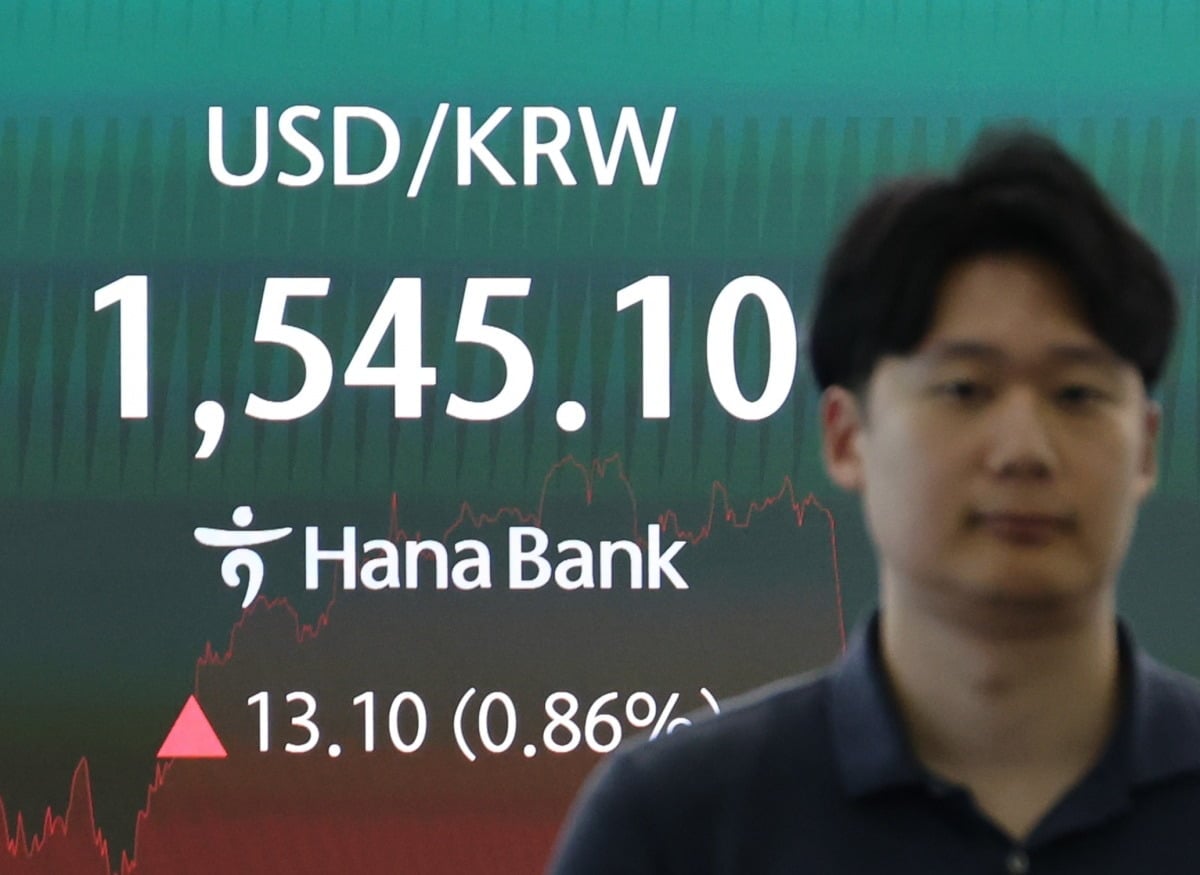
Korean Stocks Face Extreme Volatility as Fear Gauge Hits Record, Won Ends in 1,540 Range
Korea’s stock market remained in an extreme volatility phase as investor anxiety deepened. The market’s fear gauge renewed its record high, while the won-dollar exchange rate closed in the 1,540 range. Equity investors, importers, and borrowers with dollar exposure now face greater currency and volatility risk.
Dollar-Won Rate Hits 1,540s as Foreigners Sell ₩7.7 Trillion in Korean Stocks
The dollar-won rate rose to the 1,540s on the 29th, the highest level since the global financial crisis. Foreign investors sold about ₩7.7 trillion of domestic shares, adding pressure on the won. The weaker currency could raise import prices, energy costs and foreign-debt burdens. The next move depends on whether foreign selling persists.
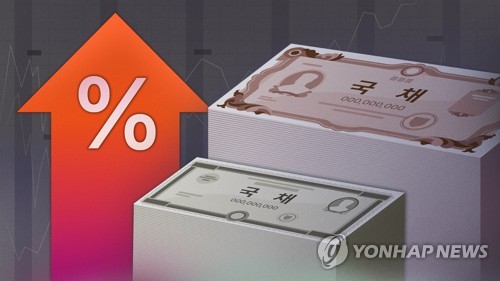
Korean Treasury yields rise as won-dollar surge lifts 3-year note to 3.733%
South Korea’s bond market absorbed a sharp foreign-exchange shock on the 29th. The won-dollar rate jumped to its highest level since the global financial crisis, sending government bond yields higher across the curve. The 3-year yield stood at 3.733%. Currency stress is now weighing on inflation expectations, funding costs and investor sentiment.

Gold, Silver and Crude Oil Outlook: Sellers Lead as Geopolitical Risks Ease
Gold, silver and crude oil are being led by sellers after geopolitical risk eased. Gold and silver face softer haven demand and remain sensitive to the dollar. Crude oil is pressured by a shrinking supply-risk premium. Investors must track both dollar prices and local currency moves.
Gold Tests Key Support as Fed Path and Iran Talks Weigh on Bulls
Gold is testing a key support area as the Fed’s rate path and Iran-related talks pressure buyers. Weaker rate-cut expectations reduce the appeal of a non-yielding asset. Hopes for lower Middle East tension also trim the safe-haven premium. Korean investors need to track dollar-won moves, trading costs, KRX gold, and gold ETFs together.
Gold Weakens as Doubts Over Peace Deal Durability Add Selling Pressure
Gold is under pressure as confidence in the durability of a peace deal weakens again. Geopolitical uncertainty normally supports bullion, but this market is being led by short-term selling and dollar sensitivity. Korean investors must also track the won-dollar exchange rate. Volatility is likely to remain elevated.
Gold Extends Losses as Stronger Dollar Pressures Bullion Buyers
Gold remained under pressure on June 29, 2026 as the U.S. dollar strengthened. Because bullion is priced in dollars, a firmer greenback raises costs for buyers using won, yen or euros. In Korea, local gold prices may not fall as much as global prices if the won weakens. The dollar index, Treasury yields and Fed rate expectations now shape the next move.
Gold Hits an 8-Month Low as Dollar and Rate Pressure Keep Downside Risk Alive
Gold has fallen to an eight-month low, making downside risk more visible than a quick rebound. A strong dollar and high real rates reduce the appeal of an asset that pays no yield. Korean investors must also track the dollar-won rate, KRX gold market rules and physical delivery costs.