Gold, Silver and Crude Oil Outlook: Sellers Lead as Geopolitical Risks Ease
Gold, silver and crude oil are being led by sellers after geopolitical risk eased. Gold and silver face softer haven demand and remain sensitive to the dollar. Crude oil is pressured by a shrinking supply-risk premium. Investors must track both dollar prices and local currency moves.

Gold, silver and crude oil have shifted into a market led by sellers rather than buyers. Easing geopolitical tension has reduced both safe-haven demand and the energy supply-risk premium, creating direct pressure on precious metals and crude. A rebound alone is not enough to confirm a trend change; stronger volume, a softer dollar and renewed risk aversion would need to appear together.
Haven premium weakens
Gold usually attracts demand when war, sanctions or transport disruptions raise market stress. The current market is giving more weight to easing tension. Gold also remains sensitive to real yields and the dollar. A firm dollar makes dollar-priced commodities harder to sustain. Silver can move more sharply because it has both precious-metal and industrial uses. It reflects manufacturing demand as well as haven flows, so it does not always move at the same pace as gold.
Oil loses risk premium
The selling bias in crude oil starts with lower concern over supply disruption. Middle East tension, maritime risk and sanctions can quickly lift oil, but when those risks fade, the premium attached to each barrel can shrink just as quickly. On the demand side, global manufacturing, aviation and transport activity remain key. Higher inventories or weaker refining margins would add pressure. A stronger production cut or sudden supply outage could still reverse the move.
Investor impact
Local investors experience these markets through currency conversion. A fall in international prices can be partly offset if the local currency weakens against the dollar. If commodity prices and the dollar fall together, local-currency losses can deepen. Commodity ETFs, ETNs, futures-linked products and leveraged or inverse funds also depend on FX exposure, rollover cost and tracking gaps. The outlook for gold, silver and crude oil will be driven by whether geopolitical risks return, how the dollar trades and whether physical demand improves.
Key points
- Gold, silver and crude oil are being led by sellers after geopolitical risk eased. Gold and silver face softer haven demand and remain sensitive to the dollar. Crude oil is pressured by a shrinking supply-risk premium. Investors must track both dollar prices and local currency moves.
- Use the body and FAQ context before acting on this update.
- Compare with related issues inside the category hub.
FAQ
Why are gold, silver and crude oil under pressure?
Easing geopolitical risks have reduced safe-haven demand and lowered the oil supply-risk premium.
Why can silver be more volatile than gold?
Silver is both a precious metal and an industrial input, so it responds to haven demand and manufacturing conditions.
What should investors watch next?
They should watch geopolitical headlines, dollar direction, real demand data, currency conversion and costs in futures-linked products.
Latest stories
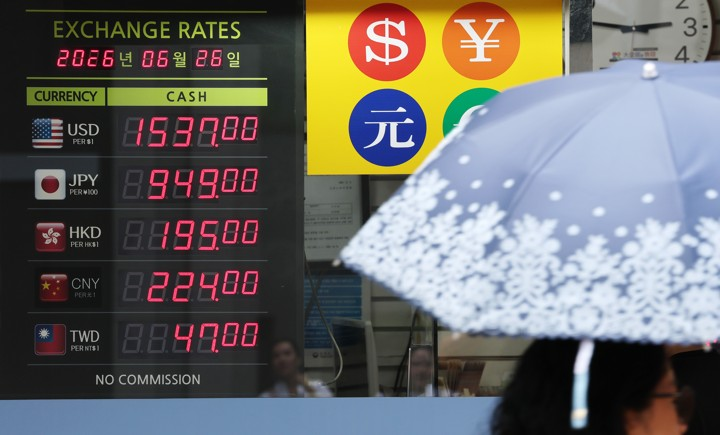
Won-Dollar Rate Stays Near 1,500 as SK Hynix ADR and 24-Hour Trading Reshape FX Market
The won-dollar rate near 1,500 is becoming more than a temporary shock. A 29-session failure to return to the 1,400 range has raised pressure on import costs and foreign investor flows. SK Hynix ADR listing and wider 24-hour trading add a new pricing channel for Korean assets.

Donghae New Port Coal Pier Starts, Strengthening Raw Material Supply
The coal pier at Donghae New Port is a logistics project for core industrial raw materials. Its main demand base is the cement manufacturing and power generation sectors in the Donghae region. The project is expected to improve supply predictability from unloading to inland transport.

Gold XAU/USD Wave IV Correction Nears Late Stage as Rebound Test Builds
Gold XAU/USD is moving through the late phase of an Elliott Wave IV correction. The structure points to consolidation after the strong Wave III advance, not a confirmed trend reversal. A defense of support and a break of short-term resistance will decide whether Wave V can develop.
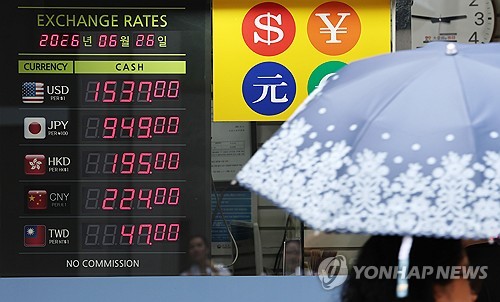
USD/KRW Rate Averaged Above 1,500 in Q2, First Since FX Crisis
The won-dollar exchange rate moved above 1,500 won per dollar on a second-quarter average, the first such quarter since the Asian financial crisis. It has failed to return to the 1,400 range for 29 straight trading days. Importers, travelers, students abroad and companies with dollar liabilities now face heavier won-denominated costs.

Korea Construction Output Falls for 24th Month, Surpassing Past Crisis Slumps
Construction production in South Korea has declined year on year for 24 consecutive months. The downturn has now lasted longer than the slumps seen during the Asian financial crisis and the global financial crisis. High financing costs, weak property demand and pressure in project financing are delaying recovery. The weakness may weigh on domestic demand, jo

Gold Tests $4,000 Support as Fed Rate Bets Outweigh Geopolitical Risk
Gold is now trading more on the Federal Reserve rate path than on geopolitical stress. Front-month New York gold futures ended June 26 at $4,078.70, down 3.44% for the week. The $4,000 area is the immediate support zone, while Korean investors also face won-dollar exchange-rate and product-tax variables.
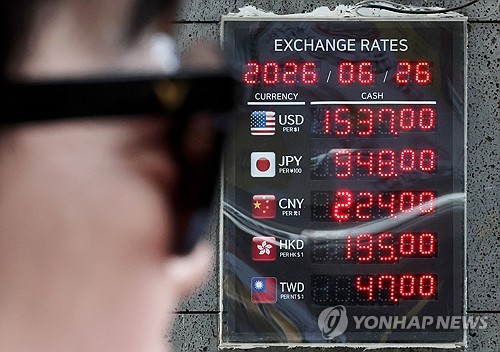
Won-Dollar Rate Slides to 1,530s After Nearing 1,550, Intervention Suspected
The won-dollar exchange rate climbed close to 1,550 on the 26th before retreating rapidly to the 1,530s late in trading. The abrupt move was widely read as possible dollar-selling intervention by foreign exchange authorities. The shift matters for import prices, foreign equity flows and volatility in won-denominated assets.

Korean Treasury Yields Mixed as FX Burden Meets Safety Demand, 3-Year at 3.722%
Korean government bond yields were mixed on the 26th as currency pressure and safe-haven buying collided. The stock-market slide supported demand for government bonds, while won weakness limited a broader fall in yields. The 3-year Treasury yield was recorded at 3.722%.