Korean Treasury yields rise as won-dollar surge lifts 3-year note to 3.733%
South Korea’s bond market absorbed a sharp foreign-exchange shock on the 29th. The won-dollar rate jumped to its highest level since the global financial crisis, sending government bond yields higher across the curve. The 3-year yield stood at 3.733%. Currency stress is now weighing on inflation expectations, funding costs and investor sentiment.
South Korean government bond yields rose broadly on the 29th as a sharp jump in the won-dollar exchange rate unsettled the domestic bond market. The currency’s climb to its highest level since the global financial crisis intensified concerns over inflation and monetary policy, weakening demand for bonds and lifting yields. The 3-year Treasury yield, a key policy-sensitive benchmark, reached 3.733% annually.
FX pressure reaches bonds
A weaker won raises the local-currency cost of imported oil, gas, raw materials and food. That can feed into consumer prices and corporate margins. When inflation pressure rises, investors reduce expectations for easier monetary policy and demand higher yields. The rise in Korean Treasury yields reflected that adjustment.
Bond prices move inversely to yields. A higher yield means prices of existing bonds have fallen. The 3-year sector is watched closely because it responds quickly to expectations for domestic policy rates. The move to 3.733% signals that the market is pricing both currency-defense pressure and caution over the rate outlook.
Funding costs under pressure
Higher government bond yields affect bank bonds, corporate bonds and loan pricing. Companies may face higher issuance costs, while financial institutions can see funding costs rise. That may later filter into mortgage rates, credit loans and working-capital loans. Importers face a double burden: higher dollar payment costs and tighter financing conditions.
The stock market also faces pressure. A rapid exchange-rate move raises currency-loss risk for foreign investors holding won assets. At the same time, higher bond yields reduce the relative appeal of equities. Companies with dollar debt or heavy import exposure are more vulnerable, while exporters with dollar revenues may see some offsetting benefits.
Outlook depends on currency stability
The next market focus is whether the won-dollar rate stabilizes near current levels or rises further. If currency volatility eases, upward pressure on bond yields may moderate. If dollar strength and won weakness persist, inflation concerns, foreign capital flows and policy caution could push yields higher again.
For Korean households and businesses, the 3-year Treasury yield and the won-dollar rate remain key indicators. They influence borrowing costs, corporate financing and imported inflation. FX volatility and bond yields are set to remain central drivers of domestic financial conditions.
Key points
- South Korea’s bond market absorbed a sharp foreign-exchange shock on the 29th. The won-dollar rate jumped to its highest level since the global financial crisis, sending government bond yields higher across the curve. The 3-year yield stood at 3.733%. Currency stress is now weighing on inflation expectations, funding costs and investor sentiment.
- Use the body and FAQ context before acting on this update.
- Compare with related issues inside the category hub.
FAQ
Why did Korean government bond yields rise on the 29th?
The won-dollar exchange rate surged to its highest level since the global financial crisis, increasing inflation and policy concerns and pushing yields higher.
What was the 3-year Korean Treasury yield?
The 3-year government bond yield stood at 3.733% annually.
How does a weaker won affect households and companies?
It can raise import prices, corporate costs, borrowing rates and bond issuance costs, increasing pressure on both households and businesses.
Latest stories

Gold Extends Losses as Stronger Dollar Pressures Bullion Buyers
Gold remained under pressure on June 29, 2026 as the U.S. dollar strengthened. Because bullion is priced in dollars, a firmer greenback raises costs for buyers using won, yen or euros. In Korea, local gold prices may not fall as much as global prices if the won weakens. The dollar index, Treasury yields and Fed rate expectations now shape the next move.

Gold Hits an 8-Month Low as Dollar and Rate Pressure Keep Downside Risk Alive
Gold has fallen to an eight-month low, making downside risk more visible than a quick rebound. A strong dollar and high real rates reduce the appeal of an asset that pays no yield. Korean investors must also track the dollar-won rate, KRX gold market rules and physical delivery costs.

Gold selloff persists as dollar and real rates test rebound hopes in Korea
Gold remains under pressure as the dollar and real yields lift the opportunity cost of holding a non-yielding asset. A relief rebound needs more than oversold charts: dollar softness, stable Treasury yields and renewed futures or ETF demand must appear together. Korean investors should track won-denominated gold, USD/KRW, spreads, taxes and withdrawal costs
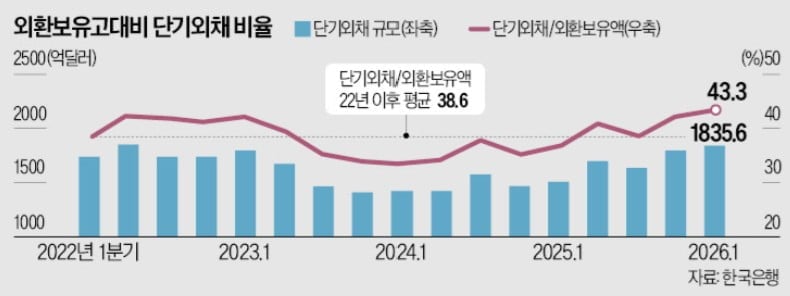
Won-Dollar Rate Stays High as Korea Weighs FX Concentration System
The won-dollar exchange rate has become a key macro risk for Korea because it affects inflation, corporate costs and foreign investment at once. A move from 1,300 won to 1,400 won per dollar adds 100 million won to every 1 million dollar payment. An FX concentration system could help track and allocate dollar liquidity in a crisis. Its design must remain lim
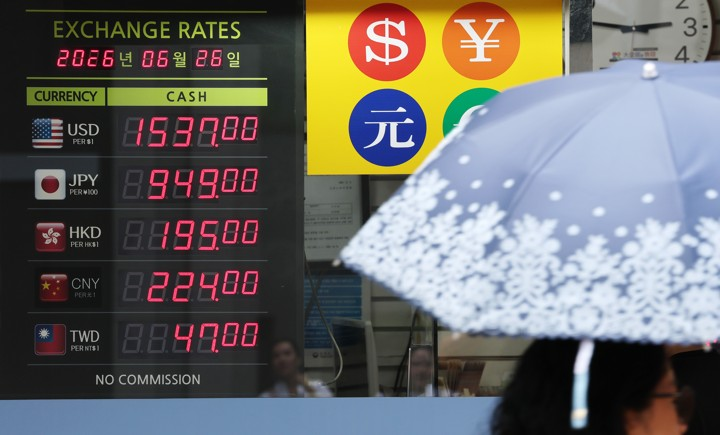
Won-Dollar Rate Stays Near 1,500 as SK Hynix ADR and 24-Hour Trading Reshape FX Market
The won-dollar rate near 1,500 is becoming more than a temporary shock. A 29-session failure to return to the 1,400 range has raised pressure on import costs and foreign investor flows. SK Hynix ADR listing and wider 24-hour trading add a new pricing channel for Korean assets.

Donghae New Port Coal Pier Starts, Strengthening Raw Material Supply
The coal pier at Donghae New Port is a logistics project for core industrial raw materials. Its main demand base is the cement manufacturing and power generation sectors in the Donghae region. The project is expected to improve supply predictability from unloading to inland transport.

Gold XAU/USD Wave IV Correction Nears Late Stage as Rebound Test Builds
Gold XAU/USD is moving through the late phase of an Elliott Wave IV correction. The structure points to consolidation after the strong Wave III advance, not a confirmed trend reversal. A defense of support and a break of short-term resistance will decide whether Wave V can develop.
USD/KRW Rate Averaged Above 1,500 in Q2, First Since FX Crisis
The won-dollar exchange rate moved above 1,500 won per dollar on a second-quarter average, the first such quarter since the Asian financial crisis. It has failed to return to the 1,400 range for 29 straight trading days. Importers, travelers, students abroad and companies with dollar liabilities now face heavier won-denominated costs.