Gold Extends Losses as Stronger Dollar Pressures Bullion Buyers
Gold remained under pressure on June 29, 2026 as the U.S. dollar strengthened. Because bullion is priced in dollars, a firmer greenback raises costs for buyers using won, yen or euros. In Korea, local gold prices may not fall as much as global prices if the won weakens. The dollar index, Treasury yields and Fed rate expectations now shape the next move.

Gold extended losses in Asian trading on June 29, 2026 as a stronger U.S. dollar reduced the appeal of dollar-priced bullion. The move was driven more by currency pressure than simple profit taking. When the dollar rises, buyers using won, yen or euros face a higher effective cost for the same ounce of gold.
Why The Dollar Matters
Gold pays no interest and is quoted globally in dollars. A firmer dollar, especially alongside resilient U.S. yields, weakens the case for new bullion purchases. Safe-haven demand remains a cushion, but it has not offset the immediate drag from the currency move.
Korea Market Impact
One troy ounce equals 31.1035 grams. Korea's common retail unit, one don, is 3.75 grams, or about 12.06% of an ounce. Local physical gold prices reflect global gold, USD/KRW, taxes, bid-ask spreads and fabrication costs. A drop in global gold can therefore be partly offset by a weaker won.
Outlook
The next turn depends on the dollar index, U.S. Treasury yields and the Federal Reserve rate path. Persistent dollar strength would cap rebounds, while a softer dollar could restore buying momentum.
Key points
- Gold remained under pressure on June 29, 2026 as the U.S. dollar strengthened. Because bullion is priced in dollars, a firmer greenback raises costs for buyers using won, yen or euros. In Korea, local gold prices may not fall as much as global prices if the won weakens. The dollar index, Treasury yields and Fed rate expectations now shape the next move.
- Use the body and FAQ context before acting on this update.
- Compare with related issues inside the category hub.
FAQ
Why did gold fall?
A stronger U.S. dollar raised the effective cost of dollar-priced gold for non-dollar buyers, weakening demand.
How does a strong dollar affect gold?
It makes gold more expensive in other currencies and can slow physical demand and ETF inflows.
What should Korean investors watch?
They should track global gold, USD/KRW, local physical costs, ETF fees and bid-ask spreads together.
Latest stories

Gold XAU/USD Wave IV Correction Nears Late Stage as Rebound Test Builds
Gold XAU/USD is moving through the late phase of an Elliott Wave IV correction. The structure points to consolidation after the strong Wave III advance, not a confirmed trend reversal. A defense of support and a break of short-term resistance will decide whether Wave V can develop.
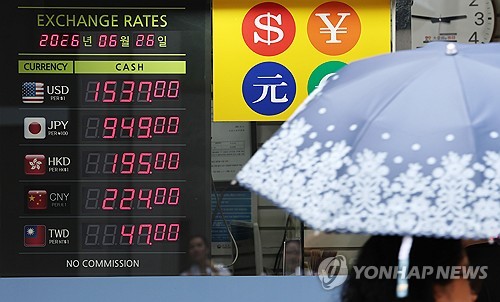
USD/KRW Rate Averaged Above 1,500 in Q2, First Since FX Crisis
The won-dollar exchange rate moved above 1,500 won per dollar on a second-quarter average, the first such quarter since the Asian financial crisis. It has failed to return to the 1,400 range for 29 straight trading days. Importers, travelers, students abroad and companies with dollar liabilities now face heavier won-denominated costs.

Korea Construction Output Falls for 24th Month, Surpassing Past Crisis Slumps
Construction production in South Korea has declined year on year for 24 consecutive months. The downturn has now lasted longer than the slumps seen during the Asian financial crisis and the global financial crisis. High financing costs, weak property demand and pressure in project financing are delaying recovery. The weakness may weigh on domestic demand, jo

Gold Tests $4,000 Support as Fed Rate Bets Outweigh Geopolitical Risk
Gold is now trading more on the Federal Reserve rate path than on geopolitical stress. Front-month New York gold futures ended June 26 at $4,078.70, down 3.44% for the week. The $4,000 area is the immediate support zone, while Korean investors also face won-dollar exchange-rate and product-tax variables.
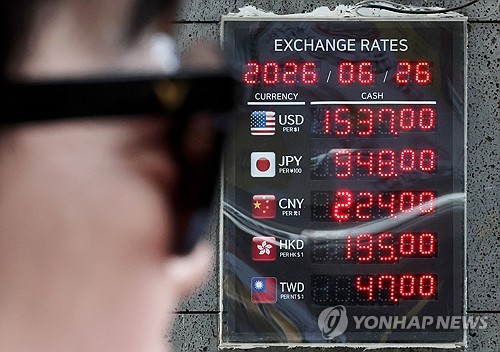
Won-Dollar Rate Slides to 1,530s After Nearing 1,550, Intervention Suspected
The won-dollar exchange rate climbed close to 1,550 on the 26th before retreating rapidly to the 1,530s late in trading. The abrupt move was widely read as possible dollar-selling intervention by foreign exchange authorities. The shift matters for import prices, foreign equity flows and volatility in won-denominated assets.
Korean Treasury Yields Mixed as FX Burden Meets Safety Demand, 3-Year at 3.722%
Korean government bond yields were mixed on the 26th as currency pressure and safe-haven buying collided. The stock-market slide supported demand for government bonds, while won weakness limited a broader fall in yields. The 3-year Treasury yield was recorded at 3.722%.

Oil prices tumble as Hormuz traffic recovers, WTI drops below $70
Global oil prices dropped as supply fears faded and WTI moved below $70 a barrel. The main drivers were increased traffic through the Strait of Hormuz and resumed Saudi crude shipments. For Korea, the decline can ease cost pressure on refiners, airlines and petrochemical firms, but retail fuel prices respond with a lag because exchange rates, fuel taxes and
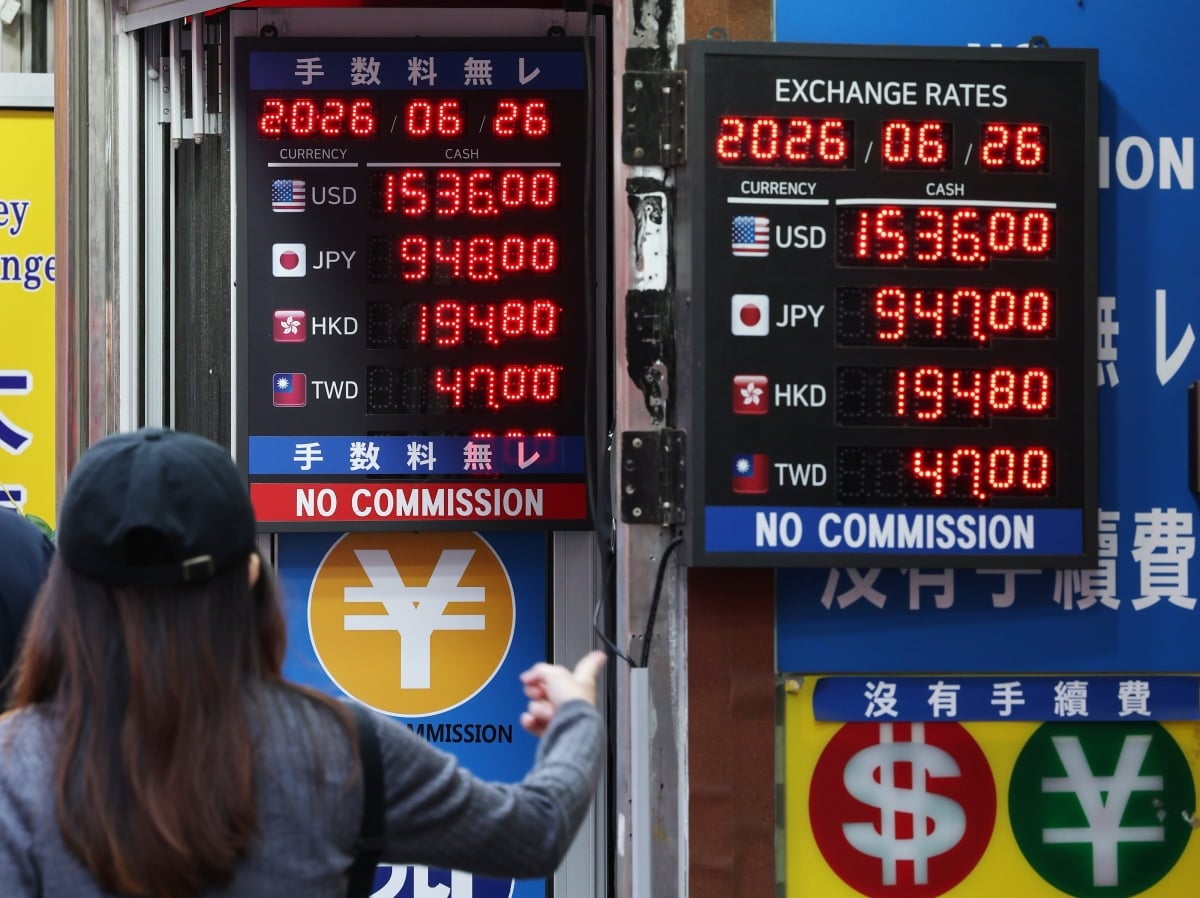
Dollar-Won Rate Falls to 1,532 After Touching 1,549, Intervention Suspected
The dollar-won rate surged to the 1,549 range, intensifying pressure on the Korean won. It later retreated to around 1,532 as suspected dollar-selling linked to authorities emerged. The move matters for import costs, overseas investments and Korean stock-market sentiment.