Oil Prices Rise as Hormuz Tensions Return, WTI Jumps Around 2%
Oil prices advanced on June 29 local time as tensions around the Strait of Hormuz intensified after weekend U.S.-Iran clashes. WTI rose around 2%, reflecting renewed supply-risk premiums. For South Korea, a major crude importer, higher oil can pressure refiners, airlines, petrochemicals and consumer prices. The next move depends on shipping stability and esc
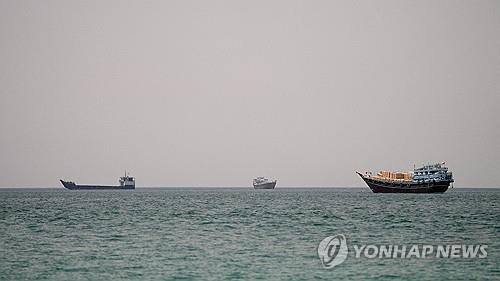
Oil prices rose on June 29 local time as military tension between the United States and Iran revived concern over the Strait of Hormuz, a critical passage for global crude flows. West Texas Intermediate gained around 2% as traders quickly priced in a higher geopolitical risk premium.
Hormuz Risk Drives Buying
The Strait of Hormuz is one of the most important routes for Middle Eastern crude and refined products moving to Asia and Europe. Even the possibility of disruption can lift shipping insurance, freight costs and oil futures. The latest move was driven less by confirmed supply loss than by concern that military confrontation could weaken maritime security.
WTI’s roughly 2% rise shows that short-term investors again view Middle East risk as a buying factor. A firm dollar and slower global growth may cap gains, but as long as Hormuz remains in focus, defensive buying can limit downside pressure.
Impact on Korea and Consumers
South Korea imports nearly all of its crude, so higher global oil prices feed into refinery costs, jet fuel, petrochemical feedstocks and logistics expenses. At an exchange rate assumption of 1,360 won per dollar, each $1 increase in crude adds about 1,360 won per barrel to import costs in local currency. A 2% WTI rise therefore matters both through dollar oil prices and won conversion.
Consumers may feel the impact through gasoline, diesel, airline fuel surcharges and transport costs, although the timing depends on taxes, refinery pricing and the won-dollar exchange rate. If tensions ease quickly, part of the price increase can reverse.
Outlook
The key questions are whether passage through the Strait of Hormuz remains normal and whether U.S.-Iran clashes escalate further. Inventories, spare production capacity and the dollar also matter, but supply-chain security is now the market’s main focus. Clear signs of shipping disruption would add upward pressure to WTI and Brent. Stabilized shipping would reduce the risk premium.
Key points
- Oil prices advanced on June 29 local time as tensions around the Strait of Hormuz intensified after weekend U.S.-Iran clashes. WTI rose around 2%, reflecting renewed supply-risk premiums. For South Korea, a major crude importer, higher oil can pressure refiners, airlines, petrochemicals and consumer prices. The next move depends on shipping stability and esc
- Use the body and FAQ context before acting on this update.
- Compare with related issues inside the category hub.
FAQ
Why did oil prices rise?
Weekend military clashes between the United States and Iran raised concern about shipping security through the Strait of Hormuz.
How much did WTI rise?
WTI rose around 2% on June 29 local time as traders priced in supply-risk concerns.
How could this affect South Korea?
It can raise crude import costs and pressure refinery, airline, petrochemical, fuel and logistics prices.
Latest stories
Korean Treasury yields rise as won-dollar surge lifts 3-year note to 3.733%
South Korea’s bond market absorbed a sharp foreign-exchange shock on the 29th. The won-dollar rate jumped to its highest level since the global financial crisis, sending government bond yields higher across the curve. The 3-year yield stood at 3.733%. Currency stress is now weighing on inflation expectations, funding costs and investor sentiment.

Gold, Silver and Crude Oil Outlook: Sellers Lead as Geopolitical Risks Ease
Gold, silver and crude oil are being led by sellers after geopolitical risk eased. Gold and silver face softer haven demand and remain sensitive to the dollar. Crude oil is pressured by a shrinking supply-risk premium. Investors must track both dollar prices and local currency moves.
Gold Tests Key Support as Fed Path and Iran Talks Weigh on Bulls
Gold is testing a key support area as the Fed’s rate path and Iran-related talks pressure buyers. Weaker rate-cut expectations reduce the appeal of a non-yielding asset. Hopes for lower Middle East tension also trim the safe-haven premium. Korean investors need to track dollar-won moves, trading costs, KRX gold, and gold ETFs together.
Gold Weakens as Doubts Over Peace Deal Durability Add Selling Pressure
Gold is under pressure as confidence in the durability of a peace deal weakens again. Geopolitical uncertainty normally supports bullion, but this market is being led by short-term selling and dollar sensitivity. Korean investors must also track the won-dollar exchange rate. Volatility is likely to remain elevated.
Gold Extends Losses as Stronger Dollar Pressures Bullion Buyers
Gold remained under pressure on June 29, 2026 as the U.S. dollar strengthened. Because bullion is priced in dollars, a firmer greenback raises costs for buyers using won, yen or euros. In Korea, local gold prices may not fall as much as global prices if the won weakens. The dollar index, Treasury yields and Fed rate expectations now shape the next move.
Gold Hits an 8-Month Low as Dollar and Rate Pressure Keep Downside Risk Alive
Gold has fallen to an eight-month low, making downside risk more visible than a quick rebound. A strong dollar and high real rates reduce the appeal of an asset that pays no yield. Korean investors must also track the dollar-won rate, KRX gold market rules and physical delivery costs.

Gold selloff persists as dollar and real rates test rebound hopes in Korea
Gold remains under pressure as the dollar and real yields lift the opportunity cost of holding a non-yielding asset. A relief rebound needs more than oversold charts: dollar softness, stable Treasury yields and renewed futures or ETF demand must appear together. Korean investors should track won-denominated gold, USD/KRW, spreads, taxes and withdrawal costs
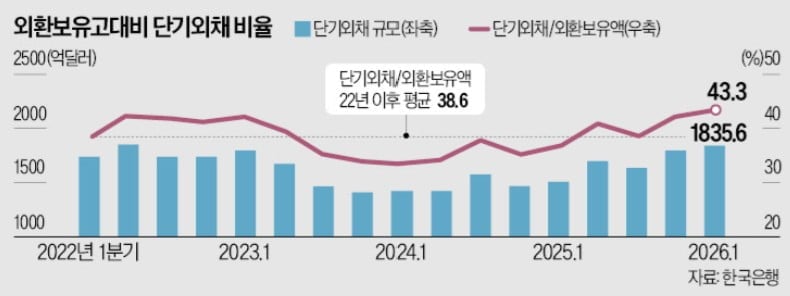
Won-Dollar Rate Stays High as Korea Weighs FX Concentration System
The won-dollar exchange rate has become a key macro risk for Korea because it affects inflation, corporate costs and foreign investment at once. A move from 1,300 won to 1,400 won per dollar adds 100 million won to every 1 million dollar payment. An FX concentration system could help track and allocate dollar liquidity in a crisis. Its design must remain lim