Raw Milk Volume Talks Open June 30 as Korea Weighs 43,000-Ton Drinking Milk Cut
Negotiations began on June 30 to determine raw milk purchase volumes for 2027-2028. Dairy companies and farmers are discussing how to divide drinking milk and processing milk volumes. The key issue is whether drinking milk will be reduced by as much as 43,000 tons. The decision will affect domestic milk prices, processing supply and farm income.
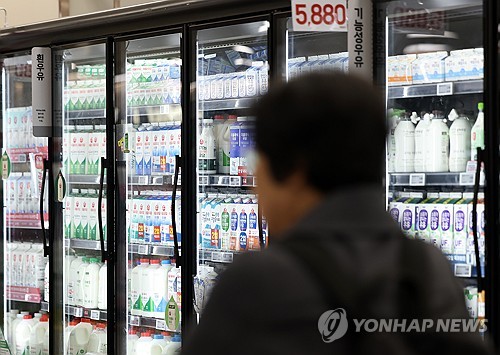
Korea’s raw milk volume talks opened on June 30, setting the stage for a reshaping of the dairy supply structure for 2027 through 2028. The negotiations determine how much raw milk dairy processors must purchase from farmers for drinking milk and for processing use. The main issue is whether drinking milk volume should be cut by up to 43,000 tons to reflect weaker demand for white milk.
Drinking milk cut becomes the main issue
Drinking milk refers to raw milk used mainly for fluid milk products, while processing milk is used for cheese, butter, powdered milk and other dairy goods. Korea manages these volumes to preserve production capacity and stabilize prices. Demand for white milk has softened as school milk programs shrink, the child population declines and alternative beverages expand. Processors want lower drinking milk allocations to reduce inventory and cost pressure. Farmers are expected to push for gradual adjustment because volume cuts can translate directly into lower income.
2027-2028 purchase rules under discussion
The talks will set mandatory purchase volumes from next year through 2028. The negotiating range includes a reduction of up to 43,000 tons in drinking milk. If confirmed, part of that volume may shift to processing use or lead to a broader reshuffling of purchase structures. The scale is meaningful for production planning and raw material allocation across Korea’s dairy industry. The won exchange rate also matters because imported cheese, butter and milk powder compete with domestic processing milk. If the won weakens, imported inputs become more expensive and domestic processing milk may gain importance.
Impact on consumers and farms
The outcome may influence retail milk prices. A lower drinking milk volume could ease oversupply pressure in white milk, but farms still face fixed production costs. Feed, power and labor costs remain high, so a sharp purchase cut would increase pressure on farm management. If adjustment is delayed, processors could face larger inventories and promotion costs, which would also weigh on price stability. The market is watching the final reduction size, the timing of implementation and whether more volume will be redirected to processing use.
Key points
- Negotiations began on June 30 to determine raw milk purchase volumes for 2027-2028. Dairy companies and farmers are discussing how to divide drinking milk and processing milk volumes. The key issue is whether drinking milk will be reduced by as much as 43,000 tons. The decision will affect domestic milk prices, processing supply and farm income.
- Use the body and FAQ context before acting on this update.
- Compare with related issues inside the category hub.
FAQ
What do the raw milk volume talks decide?
They set how much raw milk dairy processors must buy from farmers for drinking milk and processing use.
What is the key issue in this round?
The main issue is whether drinking milk volume will be reduced by up to 43,000 tons.
How could consumers be affected?
The decision could affect white milk supply, processing milk allocation and retail milk price stability.
Latest stories
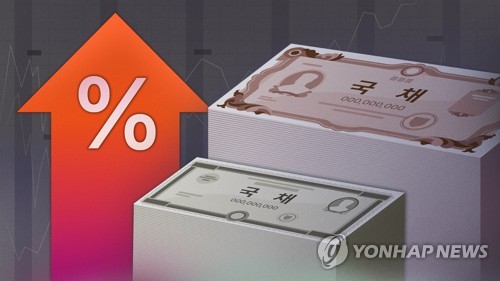
Korean Treasury yields rise as won-dollar surge lifts 3-year note to 3.733%
South Korea’s bond market absorbed a sharp foreign-exchange shock on the 29th. The won-dollar rate jumped to its highest level since the global financial crisis, sending government bond yields higher across the curve. The 3-year yield stood at 3.733%. Currency stress is now weighing on inflation expectations, funding costs and investor sentiment.

Gold, Silver and Crude Oil Outlook: Sellers Lead as Geopolitical Risks Ease
Gold, silver and crude oil are being led by sellers after geopolitical risk eased. Gold and silver face softer haven demand and remain sensitive to the dollar. Crude oil is pressured by a shrinking supply-risk premium. Investors must track both dollar prices and local currency moves.
Gold Tests Key Support as Fed Path and Iran Talks Weigh on Bulls
Gold is testing a key support area as the Fed’s rate path and Iran-related talks pressure buyers. Weaker rate-cut expectations reduce the appeal of a non-yielding asset. Hopes for lower Middle East tension also trim the safe-haven premium. Korean investors need to track dollar-won moves, trading costs, KRX gold, and gold ETFs together.
Gold Weakens as Doubts Over Peace Deal Durability Add Selling Pressure
Gold is under pressure as confidence in the durability of a peace deal weakens again. Geopolitical uncertainty normally supports bullion, but this market is being led by short-term selling and dollar sensitivity. Korean investors must also track the won-dollar exchange rate. Volatility is likely to remain elevated.
Gold Extends Losses as Stronger Dollar Pressures Bullion Buyers
Gold remained under pressure on June 29, 2026 as the U.S. dollar strengthened. Because bullion is priced in dollars, a firmer greenback raises costs for buyers using won, yen or euros. In Korea, local gold prices may not fall as much as global prices if the won weakens. The dollar index, Treasury yields and Fed rate expectations now shape the next move.
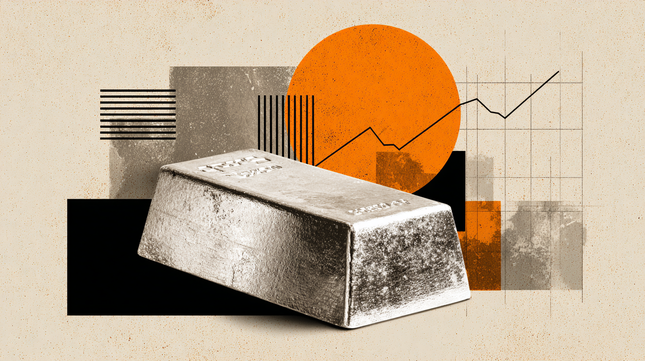
Gold Hits an 8-Month Low as Dollar and Rate Pressure Keep Downside Risk Alive
Gold has fallen to an eight-month low, making downside risk more visible than a quick rebound. A strong dollar and high real rates reduce the appeal of an asset that pays no yield. Korean investors must also track the dollar-won rate, KRX gold market rules and physical delivery costs.

Gold selloff persists as dollar and real rates test rebound hopes in Korea
Gold remains under pressure as the dollar and real yields lift the opportunity cost of holding a non-yielding asset. A relief rebound needs more than oversold charts: dollar softness, stable Treasury yields and renewed futures or ETF demand must appear together. Korean investors should track won-denominated gold, USD/KRW, spreads, taxes and withdrawal costs
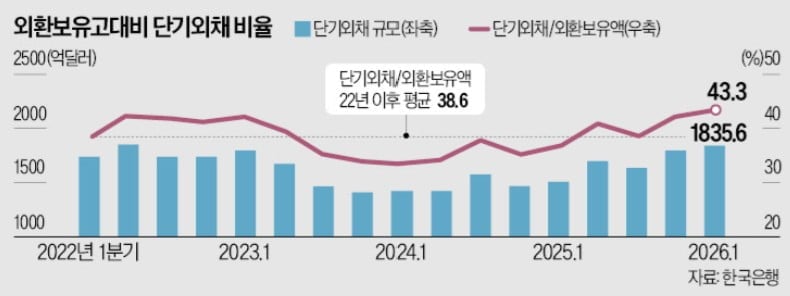
Won-Dollar Rate Stays High as Korea Weighs FX Concentration System
The won-dollar exchange rate has become a key macro risk for Korea because it affects inflation, corporate costs and foreign investment at once. A move from 1,300 won to 1,400 won per dollar adds 100 million won to every 1 million dollar payment. An FX concentration system could help track and allocate dollar liquidity in a crisis. Its design must remain lim