Gold Rebound Looks Like Short Covering, Not a Trend Reversal
The latest gold rebound is better read as short covering than a clear trend reversal. Buying has been amplified by traders closing bearish positions, while durable long demand is not yet confirmed. Korean investors need to watch both dollar gold and the USD/KRW exchange rate.

Gold’s recent rebound looks more like short covering than a confirmed trend reversal. As prices stopped falling, traders with short positions bought back gold to lock in gains or reduce risk. That can lift prices quickly, but it is different from fresh long-term buying that changes the market’s direction.
Position Cleanup Drives the Move
Short-covering rallies can be sharp but fragile. The buying is often one-off demand created by closing bearish bets. A real trend reversal would require higher lows, a sustained move above prior resistance, and support from macro conditions such as a softer dollar or lower real yields. The key question is not only how far gold has risen, but who is buying it.
Won-Based Price Matters
Gold trades globally in dollars per troy ounce. One troy ounce equals 31.1035 grams, while one Korean don equals 3.75 grams, or about 0.1206 troy ounce. A $10 move per ounce equals about $1.21 per don before exchange rates and costs. At an assumed USD/KRW rate of 1,400, that is roughly 1,700 won per don. If gold rises 1% and the won weakens 1%, the won price of gold rises by nearly 2%.
Outlook
Korean investors should separate KRX spot gold, gold accounts, ETFs, ETNs, and physical gold. Fees, tax treatment, currency exposure, roll costs, and withdrawal costs differ. In a short-covering rebound, chasing strength carries risk. Confirmation would come from a break above prior highs, resilient buying on pullbacks, and a macro backdrop that supports gold.
Key points
- The latest gold rebound is better read as short covering than a clear trend reversal. Buying has been amplified by traders closing bearish positions, while durable long demand is not yet confirmed. Korean investors need to watch both dollar gold and the USD/KRW exchange rate.
- Use the body and FAQ context before acting on this update.
- Compare with related issues inside the category hub.
FAQ
Is the gold rebound a trend reversal?
Not yet. The move looks more like short covering, and confirmation requires stronger price structure and follow-through buying.
What should Korean investors watch first?
They should watch both dollar gold and USD/KRW. A stronger won can reduce local returns even when global gold rises.
Are KRX gold and gold ETFs the same?
No. KRX gold is closer to spot exposure, while ETFs and ETNs can include fees, hedging rules, futures roll costs, and different tax treatment.
Latest stories
Gold Tests Key Support as Fed Path and Iran Talks Weigh on Bulls
Gold is testing a key support area as the Fed’s rate path and Iran-related talks pressure buyers. Weaker rate-cut expectations reduce the appeal of a non-yielding asset. Hopes for lower Middle East tension also trim the safe-haven premium. Korean investors need to track dollar-won moves, trading costs, KRX gold, and gold ETFs together.
Gold Weakens as Doubts Over Peace Deal Durability Add Selling Pressure
Gold is under pressure as confidence in the durability of a peace deal weakens again. Geopolitical uncertainty normally supports bullion, but this market is being led by short-term selling and dollar sensitivity. Korean investors must also track the won-dollar exchange rate. Volatility is likely to remain elevated.
Gold Extends Losses as Stronger Dollar Pressures Bullion Buyers
Gold remained under pressure on June 29, 2026 as the U.S. dollar strengthened. Because bullion is priced in dollars, a firmer greenback raises costs for buyers using won, yen or euros. In Korea, local gold prices may not fall as much as global prices if the won weakens. The dollar index, Treasury yields and Fed rate expectations now shape the next move.
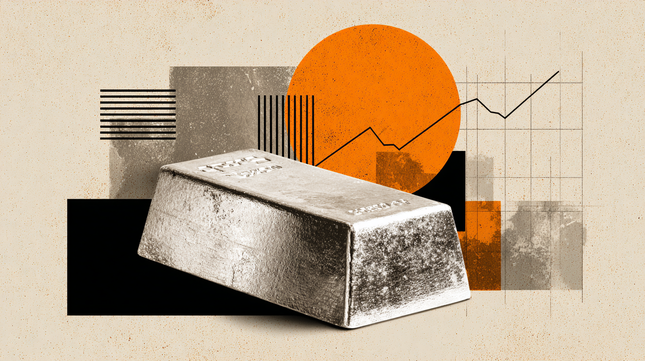
Gold Hits an 8-Month Low as Dollar and Rate Pressure Keep Downside Risk Alive
Gold has fallen to an eight-month low, making downside risk more visible than a quick rebound. A strong dollar and high real rates reduce the appeal of an asset that pays no yield. Korean investors must also track the dollar-won rate, KRX gold market rules and physical delivery costs.
Gold selloff persists as dollar and real rates test rebound hopes in Korea
Gold remains under pressure as the dollar and real yields lift the opportunity cost of holding a non-yielding asset. A relief rebound needs more than oversold charts: dollar softness, stable Treasury yields and renewed futures or ETF demand must appear together. Korean investors should track won-denominated gold, USD/KRW, spreads, taxes and withdrawal costs
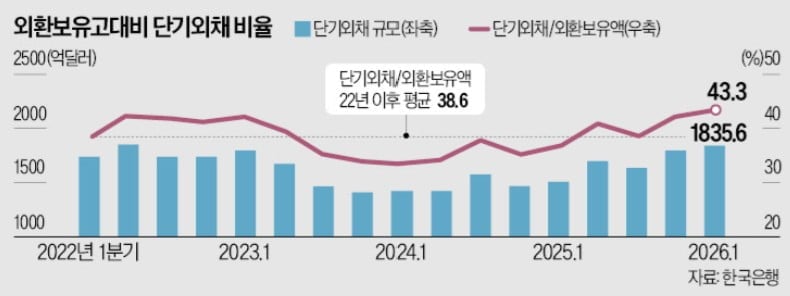
Won-Dollar Rate Stays High as Korea Weighs FX Concentration System
The won-dollar exchange rate has become a key macro risk for Korea because it affects inflation, corporate costs and foreign investment at once. A move from 1,300 won to 1,400 won per dollar adds 100 million won to every 1 million dollar payment. An FX concentration system could help track and allocate dollar liquidity in a crisis. Its design must remain lim
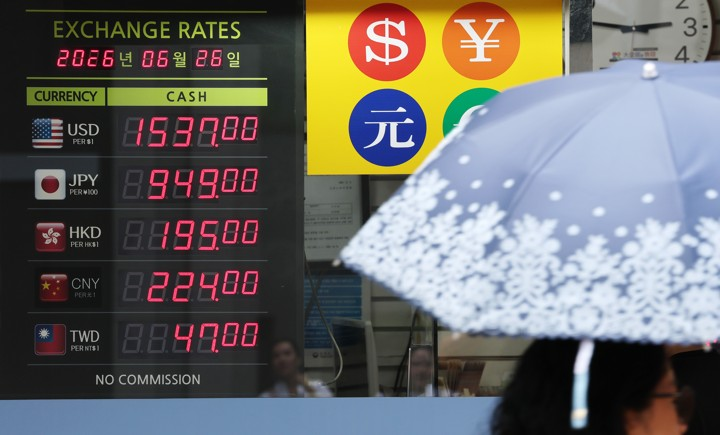
Won-Dollar Rate Stays Near 1,500 as SK Hynix ADR and 24-Hour Trading Reshape FX Market
The won-dollar rate near 1,500 is becoming more than a temporary shock. A 29-session failure to return to the 1,400 range has raised pressure on import costs and foreign investor flows. SK Hynix ADR listing and wider 24-hour trading add a new pricing channel for Korean assets.

Donghae New Port Coal Pier Starts, Strengthening Raw Material Supply
The coal pier at Donghae New Port is a logistics project for core industrial raw materials. Its main demand base is the cement manufacturing and power generation sectors in the Donghae region. The project is expected to improve supply predictability from unloading to inland transport.