Won Volatility Response Capacity Sufficient as Seoul Warns Against One-Way FX Moves
Huh Jang, second vice minister at the finance ministry, emphasized that currency authorities retain sufficient room to respond to higher volatility. The focus is on curbing excessive one-way positioning rather than defending a fixed exchange-rate level. A weaker won can raise import prices, corporate dollar payments and foreign-debt costs. Authorities are ex

Won exchange-rate volatility can widen without exhausting the authorities' room for action. On July 3, Second Vice Minister Huh Jang made clear that immediate market-stabilization measures will be used if trading becomes excessively one-way. The priority is not defending a fixed level but preventing sentiment and demand from amplifying disorderly moves.
Focus on One-Way Moves
The won is sensitive to the dollar, global rate expectations, trade payments and offshore positioning. A 10-won move per dollar changes a $1,000 payment by 10,000 won. For a $1 million import invoice, the same move means about 10 million won, affecting raw materials, overseas study, travel, energy procurement and firms with dollar debt.
Market Impact
Authorities are expected to monitor intraday swings, offshore flow, real demand and bank foreign-currency liquidity. Companies should avoid one-sided bets and review hedging ratios, payment timing and debt maturities. The won will likely track the dollar, US rate expectations, exports and foreign portfolio flows.
Key points
- Huh Jang, second vice minister at the finance ministry, emphasized that currency authorities retain sufficient room to respond to higher volatility. The focus is on curbing excessive one-way positioning rather than defending a fixed exchange-rate level. A weaker won can raise import prices, corporate dollar payments and foreign-debt costs. Authorities are ex
- Use the body and FAQ context before acting on this update.
- Compare with related issues inside the category hub.
FAQ
What does immediate action mean?
It means authorities can use stabilization tools when trading becomes excessively one-way and volatility grows, rather than at a preset exchange-rate level.
Was a target exchange rate presented?
No specific target level or action size was presented. The focus is reducing excessive concentration and preserving market function.
How does this affect households and companies?
A weaker won can raise import prices, overseas payments, travel and tuition costs, and the burden of foreign-currency debt.
Latest stories
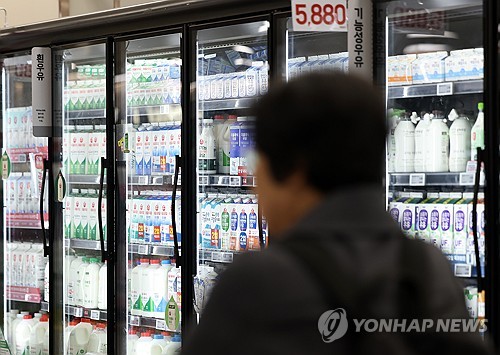
Raw Milk Volume Talks Open June 30 as Korea Weighs 43,000-Ton Drinking Milk Cut
Negotiations began on June 30 to determine raw milk purchase volumes for 2027-2028. Dairy companies and farmers are discussing how to divide drinking milk and processing milk volumes. The key issue is whether drinking milk will be reduced by as much as 43,000 tons. The decision will affect domestic milk prices, processing supply and farm income.

Gold Rebound Looks Like Short Covering, Not a Trend Reversal
The latest gold rebound is better read as short covering than a clear trend reversal. Buying has been amplified by traders closing bearish positions, while durable long demand is not yet confirmed. Korean investors need to watch both dollar gold and the USD/KRW exchange rate.
Gold Faces Selling Risk as US Policy Shifts and Fed Concerns Raise Volatility
Gold is exposed to near-term selling pressure as US policy shifts and Fed concerns move back into focus. If uncertainty lifts the dollar and real Treasury yields, the appeal of non-yielding gold may weaken. Korean investors also need to track won-dollar moves, product costs and hedging.
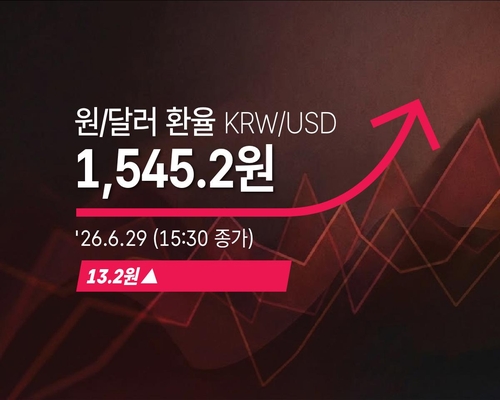
USD/KRW closes at 1,545.2 won, up 13.2 won as won weakness deepens
The USD/KRW rate rose to 1,545.2 won at the 15:30 close, marking a clear weakening of the Korean won. The move adds pressure on import costs, dollar payments and household expenses tied to overseas spending. Korean equities and bonds are likely to remain sensitive to exchange-rate volatility.
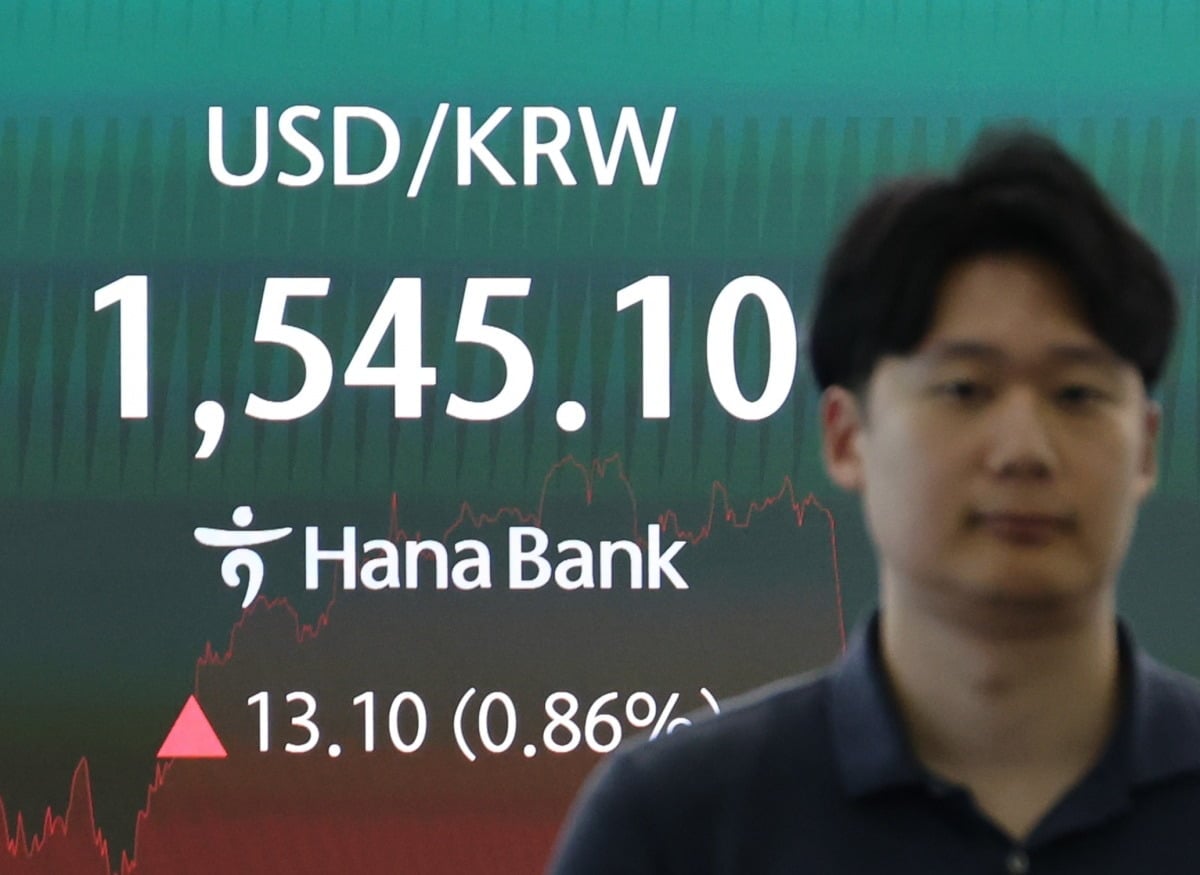
Korean Stocks Face Extreme Volatility as Fear Gauge Hits Record, Won Ends in 1,540 Range
Korea’s stock market remained in an extreme volatility phase as investor anxiety deepened. The market’s fear gauge renewed its record high, while the won-dollar exchange rate closed in the 1,540 range. Equity investors, importers, and borrowers with dollar exposure now face greater currency and volatility risk.
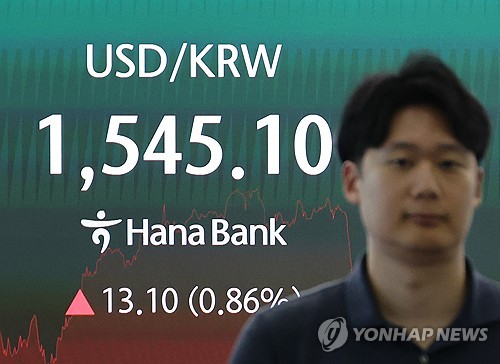
Dollar-Won Rate Hits 1,540s as Foreigners Sell ₩7.7 Trillion in Korean Stocks
The dollar-won rate rose to the 1,540s on the 29th, the highest level since the global financial crisis. Foreign investors sold about ₩7.7 trillion of domestic shares, adding pressure on the won. The weaker currency could raise import prices, energy costs and foreign-debt burdens. The next move depends on whether foreign selling persists.
Korean Treasury yields rise as won-dollar surge lifts 3-year note to 3.733%
South Korea’s bond market absorbed a sharp foreign-exchange shock on the 29th. The won-dollar rate jumped to its highest level since the global financial crisis, sending government bond yields higher across the curve. The 3-year yield stood at 3.733%. Currency stress is now weighing on inflation expectations, funding costs and investor sentiment.
Gold, Silver and Crude Oil Outlook: Sellers Lead as Geopolitical Risks Ease
Gold, silver and crude oil are being led by sellers after geopolitical risk eased. Gold and silver face softer haven demand and remain sensitive to the dollar. Crude oil is pressured by a shrinking supply-risk premium. Investors must track both dollar prices and local currency moves.