USD/KRW closes at 1,555.8 won, up 0.9 won at 3:30 p.m.
USD/KRW finished at 1,555.8 won. The 3:30 p.m. close was 0.9 won above the previous trading day. A higher rate means the won weakened slightly against the dollar. Import payments, overseas remittances and dollar debt costs remain in focus.
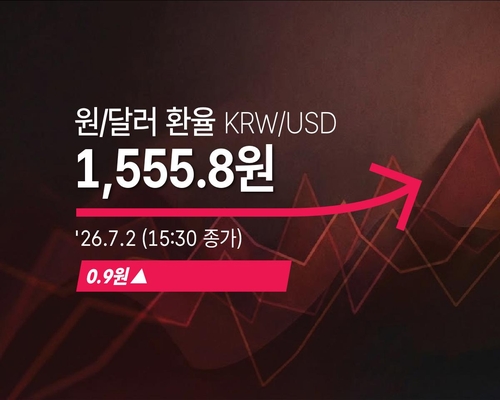
USD/KRW closed at 1,555.8 won at 3:30 p.m., rising 0.9 won from the previous session. The move was small, but it kept the exchange rate in a high zone and pointed to mild weakness in the Korean won against the U.S. dollar.
Close and Meaning
A higher USD/KRW rate means more won are needed to buy one dollar. Based on the 0.9 won rise, the previous close is calculated at 1,554.9 won. At today’s close, a 10,000 dollar payment costs about 15,558,000 won, roughly 9,000 won more than at the prior close. The difference may look limited for small transactions, but it matters for companies importing energy, raw materials, components and food inputs in large volumes.
Impact on Korea
The 1,555 won range is sensitive for Korean importers, exporters and households. Import-heavy companies face higher won-based costs for dollar-settled oil, gas, grains and industrial metals. Exporters with dollar revenue may see a translation benefit, although firms that also import inputs can face both gains and costs. Individuals paying for overseas travel, tuition, direct purchases or dollar remittances also face a higher won burden.
Outlook
The 0.9 won gain shows limited short-term movement, but the closing level remains elevated. Dollar supply and demand, global rate expectations, risk appetite, Korea’s trade balance and foreign investor flows are expected to guide the next moves. Companies need to review hedge ratios and payment timing, while households can reduce volatility by splitting remittances and checking exchange-rate discounts.
Key points
- USD/KRW finished at 1,555.8 won. The 3:30 p.m. close was 0.9 won above the previous trading day. A higher rate means the won weakened slightly against the dollar. Import payments, overseas remittances and dollar debt costs remain in focus.
- Use the body and FAQ context before acting on this update.
- Compare with related issues inside the category hub.
FAQ
What was the USD/KRW closing rate?
The USD/KRW exchange rate closed at 1,555.8 won at 3:30 p.m.
How much did USD/KRW rise?
It rose 0.9 won from the previous trading day. The prior close is calculated at 1,554.9 won.
What does a higher USD/KRW rate mean?
It means more won are needed to buy one dollar, signaling won weakness and higher dollar payment costs.
Latest stories

Gold Faces Selling Risk as US Policy Shifts and Fed Concerns Raise Volatility
Gold is exposed to near-term selling pressure as US policy shifts and Fed concerns move back into focus. If uncertainty lifts the dollar and real Treasury yields, the appeal of non-yielding gold may weaken. Korean investors also need to track won-dollar moves, product costs and hedging.
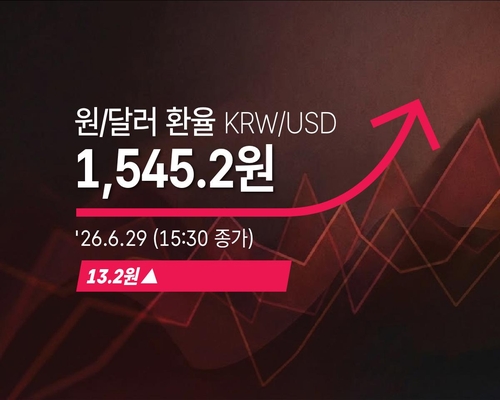
USD/KRW closes at 1,545.2 won, up 13.2 won as won weakness deepens
The USD/KRW rate rose to 1,545.2 won at the 15:30 close, marking a clear weakening of the Korean won. The move adds pressure on import costs, dollar payments and household expenses tied to overseas spending. Korean equities and bonds are likely to remain sensitive to exchange-rate volatility.
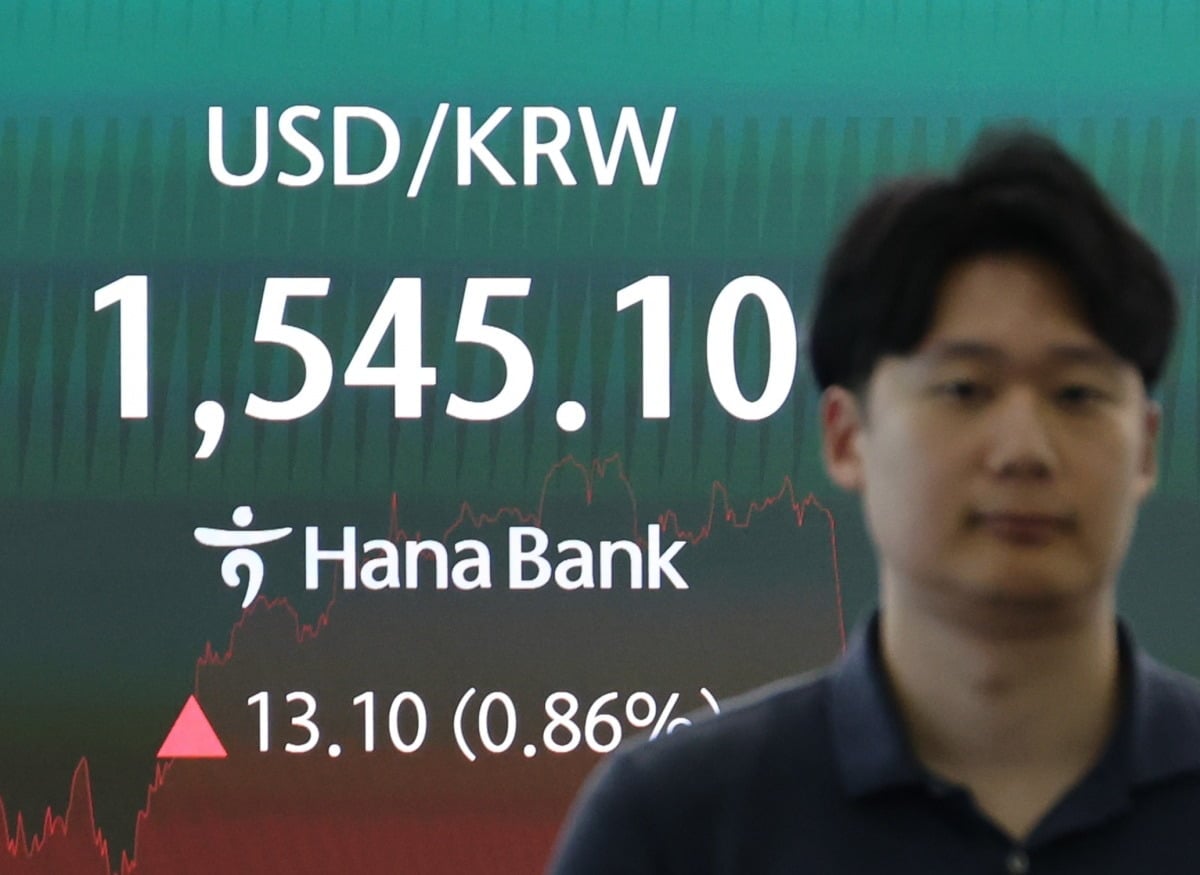
Korean Stocks Face Extreme Volatility as Fear Gauge Hits Record, Won Ends in 1,540 Range
Korea’s stock market remained in an extreme volatility phase as investor anxiety deepened. The market’s fear gauge renewed its record high, while the won-dollar exchange rate closed in the 1,540 range. Equity investors, importers, and borrowers with dollar exposure now face greater currency and volatility risk.
Dollar-Won Rate Hits 1,540s as Foreigners Sell ₩7.7 Trillion in Korean Stocks
The dollar-won rate rose to the 1,540s on the 29th, the highest level since the global financial crisis. Foreign investors sold about ₩7.7 trillion of domestic shares, adding pressure on the won. The weaker currency could raise import prices, energy costs and foreign-debt burdens. The next move depends on whether foreign selling persists.
Korean Treasury yields rise as won-dollar surge lifts 3-year note to 3.733%
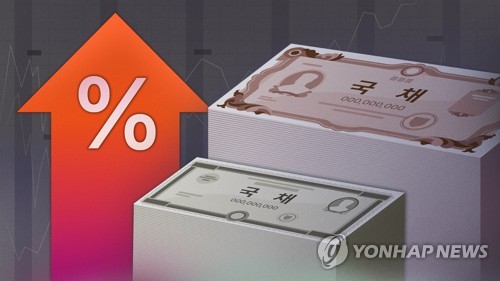
South Korea’s bond market absorbed a sharp foreign-exchange shock on the 29th. The won-dollar rate jumped to its highest level since the global financial crisis, sending government bond yields higher across the curve. The 3-year yield stood at 3.733%. Currency stress is now weighing on inflation expectations, funding costs and investor sentiment.
Gold, Silver and Crude Oil Outlook: Sellers Lead as Geopolitical Risks Ease
Gold, silver and crude oil are being led by sellers after geopolitical risk eased. Gold and silver face softer haven demand and remain sensitive to the dollar. Crude oil is pressured by a shrinking supply-risk premium. Investors must track both dollar prices and local currency moves.
Gold Tests Key Support as Fed Path and Iran Talks Weigh on Bulls
Gold is testing a key support area as the Fed’s rate path and Iran-related talks pressure buyers. Weaker rate-cut expectations reduce the appeal of a non-yielding asset. Hopes for lower Middle East tension also trim the safe-haven premium. Korean investors need to track dollar-won moves, trading costs, KRX gold, and gold ETFs together.
Gold Weakens as Doubts Over Peace Deal Durability Add Selling Pressure
Gold is under pressure as confidence in the durability of a peace deal weakens again. Geopolitical uncertainty normally supports bullion, but this market is being led by short-term selling and dollar sensitivity. Korean investors must also track the won-dollar exchange rate. Volatility is likely to remain elevated.