Won Weakness Tied to Foreign Stock Rebalancing as FX Liquidity Stays Ample
Heo Jang said recent won weakness reflects foreign investors’ mechanical portfolio rebalancing in Korean stocks. Authorities judge market liquidity to be sufficient. A weaker won affects import costs, foreign flows, hedging expenses and overseas investment returns. Policy attention will focus on one-sided moves and volatility.

The recent rise in the won-dollar exchange rate is being driven mainly by foreign investors’ stock portfolio rebalancing. Heo Jang, vice finance minister, assessed that the move reflects mechanical asset allocation rather than a shortage of dollars or structural stress in Korea’s foreign exchange market. Dollar liquidity remains ample, and trading conditions have not deteriorated sharply.
Foreign Equity Rebalancing
Foreign investors regularly adjust Korean equity exposure based on index weights, risk appetite, share-price moves and currency changes. When they reduce won-denominated assets, they sell won and buy dollars, adding upward pressure to the exchange rate. Recent won weakness has therefore been amplified by portfolio flows.
The key distinction is between temporary demand and market dysfunction. A higher exchange rate does not automatically signal instability if banks, corporates and investors can still obtain dollars smoothly. Concentrated foreign selling can raise volatility, but the current move has the character of recurring asset allocation.
Impact on Korea
A weaker won raises the local-currency cost of oil, gas, grains and other dollar-priced imports. That can pressure importers, airlines, shippers and petrochemical companies, while affecting consumer prices. Exporters with large dollar revenues may benefit in won terms.
For domestic investors, foreign stock flows remain central. Selling by overseas investors can weigh on large-cap shares and raise FX demand. Retail investors also face higher conversion costs when buying overseas assets.
Outlook
Authorities are watching one-sided trading more than any single exchange-rate level. If rebalancing demand fades, the won could stabilize with global rates, the dollar index and Korean equities. If selling persists or import settlement demand rises, weakness may continue.
Key points
- Heo Jang said recent won weakness reflects foreign investors’ mechanical portfolio rebalancing in Korean stocks. Authorities judge market liquidity to be sufficient. A weaker won affects import costs, foreign flows, hedging expenses and overseas investment returns. Policy attention will focus on one-sided moves and volatility.
- Use the body and FAQ context before acting on this update.
- Compare with related issues inside the category hub.
FAQ
What is driving the recent high exchange rate?
Foreign investors’ mechanical rebalancing of Korean equity portfolios has created won-selling and dollar-buying demand.
Is Korea facing a dollar liquidity shortage?
Authorities judge dollar liquidity to be ample and market trading conditions to remain orderly.
How does a weaker won affect investors?
It raises overseas investment costs, changes won-based returns and can increase volatility in large Korean stocks.
Latest stories
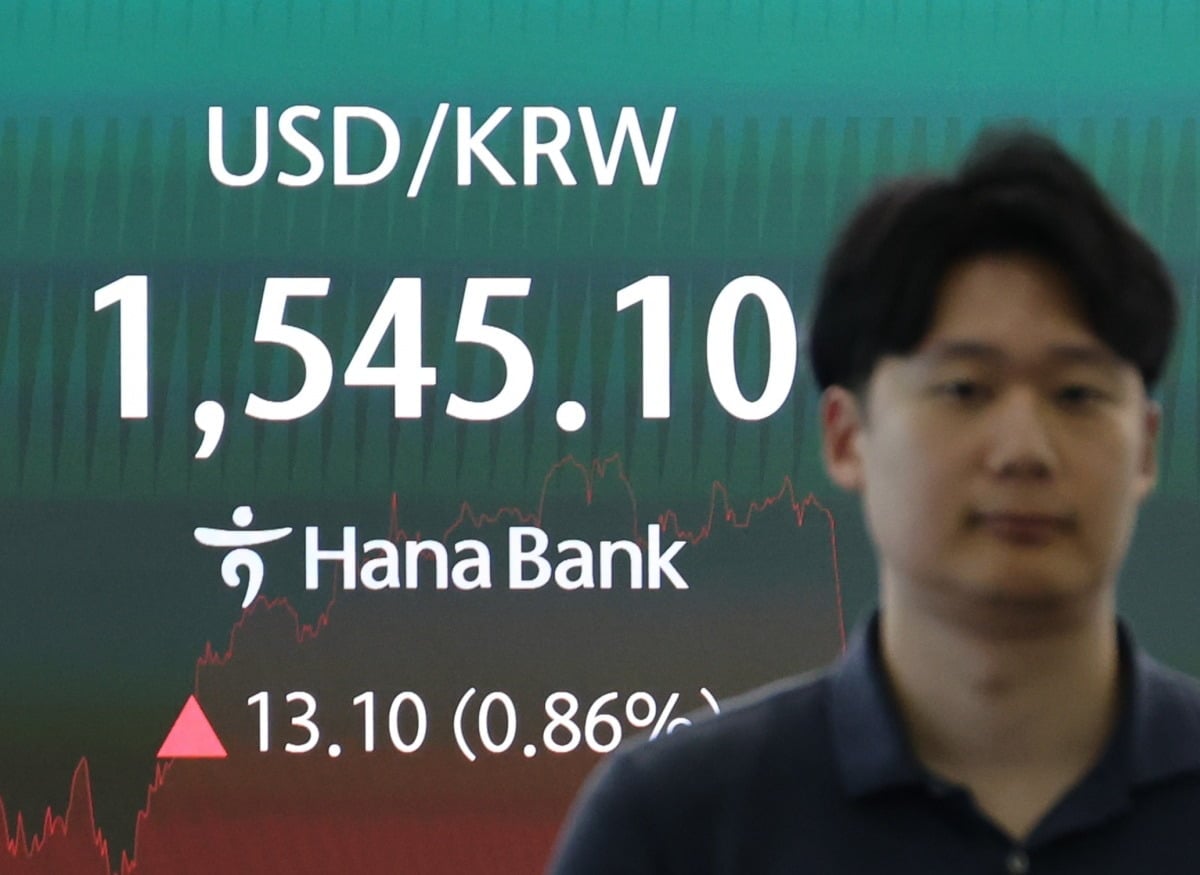
Korean Stocks Face Extreme Volatility as Fear Gauge Hits Record, Won Ends in 1,540 Range
Korea’s stock market remained in an extreme volatility phase as investor anxiety deepened. The market’s fear gauge renewed its record high, while the won-dollar exchange rate closed in the 1,540 range. Equity investors, importers, and borrowers with dollar exposure now face greater currency and volatility risk.
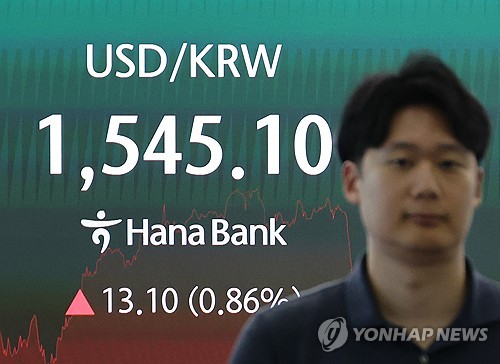
Dollar-Won Rate Hits 1,540s as Foreigners Sell ₩7.7 Trillion in Korean Stocks
The dollar-won rate rose to the 1,540s on the 29th, the highest level since the global financial crisis. Foreign investors sold about ₩7.7 trillion of domestic shares, adding pressure on the won. The weaker currency could raise import prices, energy costs and foreign-debt burdens. The next move depends on whether foreign selling persists.
Korean Treasury yields rise as won-dollar surge lifts 3-year note to 3.733%
South Korea’s bond market absorbed a sharp foreign-exchange shock on the 29th. The won-dollar rate jumped to its highest level since the global financial crisis, sending government bond yields higher across the curve. The 3-year yield stood at 3.733%. Currency stress is now weighing on inflation expectations, funding costs and investor sentiment.

Gold, Silver and Crude Oil Outlook: Sellers Lead as Geopolitical Risks Ease
Gold, silver and crude oil are being led by sellers after geopolitical risk eased. Gold and silver face softer haven demand and remain sensitive to the dollar. Crude oil is pressured by a shrinking supply-risk premium. Investors must track both dollar prices and local currency moves.
Gold Tests Key Support as Fed Path and Iran Talks Weigh on Bulls
Gold is testing a key support area as the Fed’s rate path and Iran-related talks pressure buyers. Weaker rate-cut expectations reduce the appeal of a non-yielding asset. Hopes for lower Middle East tension also trim the safe-haven premium. Korean investors need to track dollar-won moves, trading costs, KRX gold, and gold ETFs together.
Gold Weakens as Doubts Over Peace Deal Durability Add Selling Pressure
Gold is under pressure as confidence in the durability of a peace deal weakens again. Geopolitical uncertainty normally supports bullion, but this market is being led by short-term selling and dollar sensitivity. Korean investors must also track the won-dollar exchange rate. Volatility is likely to remain elevated.
Gold Extends Losses as Stronger Dollar Pressures Bullion Buyers
Gold remained under pressure on June 29, 2026 as the U.S. dollar strengthened. Because bullion is priced in dollars, a firmer greenback raises costs for buyers using won, yen or euros. In Korea, local gold prices may not fall as much as global prices if the won weakens. The dollar index, Treasury yields and Fed rate expectations now shape the next move.

Gold Hits an 8-Month Low as Dollar and Rate Pressure Keep Downside Risk Alive
Gold has fallen to an eight-month low, making downside risk more visible than a quick rebound. A strong dollar and high real rates reduce the appeal of an asset that pays no yield. Korean investors must also track the dollar-won rate, KRX gold market rules and physical delivery costs.