Vice Finance Minister Heo Jang Orders Close Review of External Shifts After Middle East War
Vice Finance Minister Heo Jang urged officials to examine structural changes in the external environment after the Middle East war. The focus is on exchange rates, energy prices, supply chains and trade rules. Korean companies and financial markets are watching dollar liquidity, import costs and export conditions.
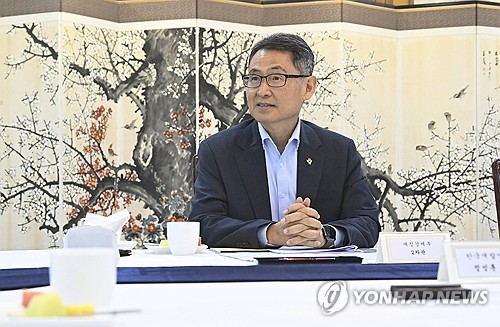
Vice Finance Minister Heo Jang chaired a meeting of overseas finance officials at the Government Complex Seoul on July 2 and called for a precise analysis of how the international order is changing after the Middle East war. The message was clear: Korea must look beyond short-term shocks and read the deeper changes affecting exchange rates, commodities, supply chains and trade.
External Variables After the War
The meeting brought together finance officials monitoring economic developments abroad. Since the Middle East war, energy routes, oil-producer policies, dollar settlement flows and security-linked trade strategies have been moving together. Korea is highly exposed because it imports much of its oil and gas and depends heavily on exports such as semiconductors, autos and petrochemicals.
Three variables stand out. The first is volatility in crude oil and LNG prices. Higher energy costs feed into refining, chemicals, aviation and shipping, then into consumer prices and corporate margins. The second is dollar strength and won volatility. Since oil and many raw materials are priced in dollars, a weaker won raises import costs in local-currency terms. The third is supply-chain realignment. Route changes, higher insurance premiums and logistics delays can increase inventory pressure and threaten export delivery schedules.
FX, Commodities and Exports
Heo emphasized that overseas finance officials must capture local policy changes and market signals more closely. The key issue is not just price movement but how fiscal spending, subsidies, energy stockpiling, export controls and financial regulation abroad affect Korean companies’ cost structures and investment decisions. If Middle East instability lasts, oil-price pressure, demand for dollars and safe-haven flows may rise together.
For Korea, the won-dollar rate and import prices are the first indicators to watch. If energy import costs rise in won terms, the improvement in the trade balance may slow and pressure on electricity and gas tariffs may grow. Exporters can benefit from higher dollar revenues, but margin gains may be limited if raw-material and freight costs rise faster.
Outlook
The meeting points to a stronger early-warning system for external shocks. Faster collection of overseas policy, capital-flow and commodity information can feed into fiscal, financial and industrial responses at home. Markets should track oil prices, the dollar index, the won-dollar rate, sea freight costs and geopolitical developments in the Middle East together. Volatility may ease if tensions cool, but a longer shift toward trade blocs and supply-chain fragmentation would create a more demanding adjustment period for Korea.
Key points
- Vice Finance Minister Heo Jang urged officials to examine structural changes in the external environment after the Middle East war. The focus is on exchange rates, energy prices, supply chains and trade rules. Korean companies and financial markets are watching dollar liquidity, import costs and export conditions.
- Use the body and FAQ context before acting on this update.
- Compare with related issues inside the category hub.
FAQ
What did Vice Finance Minister Heo Jang emphasize?
He stressed the need to closely analyze the postwar Middle East order and structural changes in the external environment.
Why does this matter for Korea?
Korea depends heavily on imported energy and exports, making oil prices, FX moves, logistics and supply chains critical to inflation and corporate costs.
Which indicators should markets monitor?
The won-dollar exchange rate, crude oil prices, import prices, sea freight costs and policy shifts in major economies are key indicators.
Latest stories
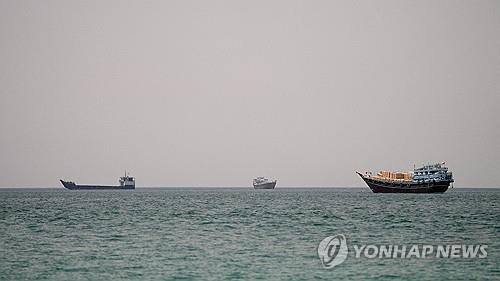
Oil Prices Rise as Hormuz Tensions Return, WTI Jumps Around 2%
Oil prices advanced on June 29 local time as tensions around the Strait of Hormuz intensified after weekend U.S.-Iran clashes. WTI rose around 2%, reflecting renewed supply-risk premiums. For South Korea, a major crude importer, higher oil can pressure refiners, airlines, petrochemicals and consumer prices. The next move depends on shipping stability and esc
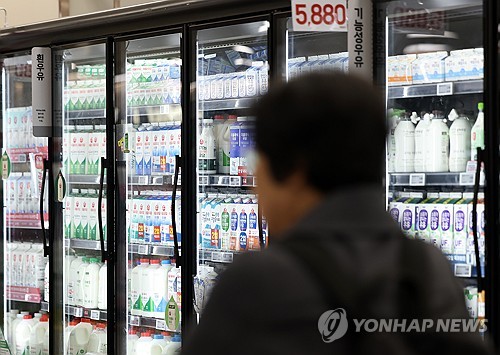
Raw Milk Volume Talks Open June 30 as Korea Weighs 43,000-Ton Drinking Milk Cut
Negotiations began on June 30 to determine raw milk purchase volumes for 2027-2028. Dairy companies and farmers are discussing how to divide drinking milk and processing milk volumes. The key issue is whether drinking milk will be reduced by as much as 43,000 tons. The decision will affect domestic milk prices, processing supply and farm income.

Gold Rebound Looks Like Short Covering, Not a Trend Reversal
The latest gold rebound is better read as short covering than a clear trend reversal. Buying has been amplified by traders closing bearish positions, while durable long demand is not yet confirmed. Korean investors need to watch both dollar gold and the USD/KRW exchange rate.
Gold Faces Selling Risk as US Policy Shifts and Fed Concerns Raise Volatility
Gold is exposed to near-term selling pressure as US policy shifts and Fed concerns move back into focus. If uncertainty lifts the dollar and real Treasury yields, the appeal of non-yielding gold may weaken. Korean investors also need to track won-dollar moves, product costs and hedging.
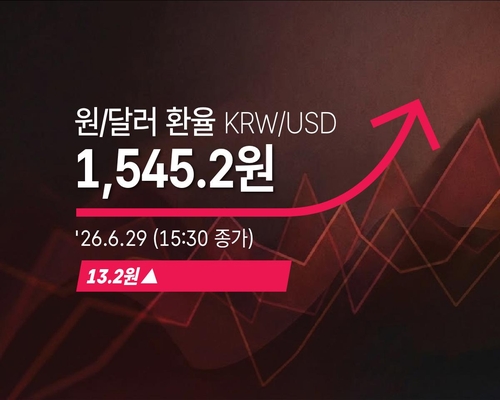
USD/KRW closes at 1,545.2 won, up 13.2 won as won weakness deepens
The USD/KRW rate rose to 1,545.2 won at the 15:30 close, marking a clear weakening of the Korean won. The move adds pressure on import costs, dollar payments and household expenses tied to overseas spending. Korean equities and bonds are likely to remain sensitive to exchange-rate volatility.
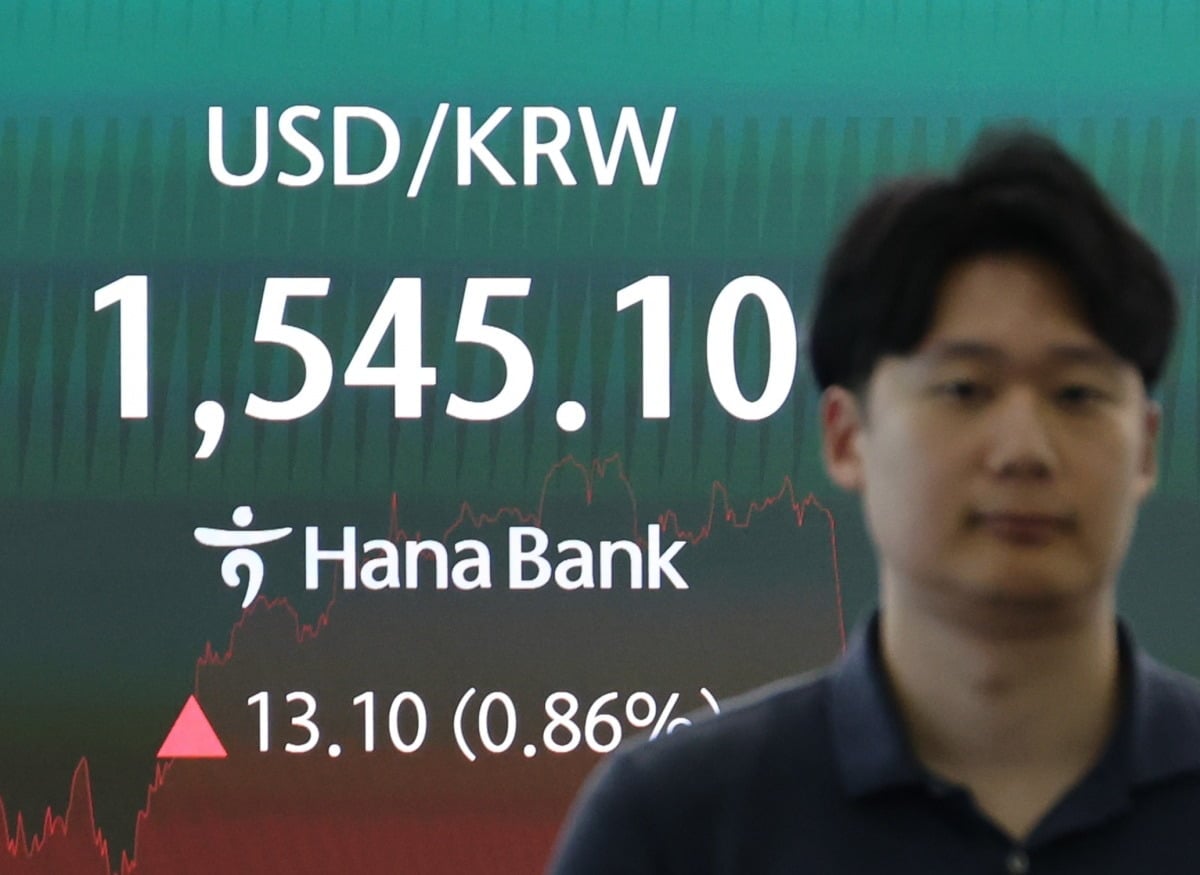
Korean Stocks Face Extreme Volatility as Fear Gauge Hits Record, Won Ends in 1,540 Range
Korea’s stock market remained in an extreme volatility phase as investor anxiety deepened. The market’s fear gauge renewed its record high, while the won-dollar exchange rate closed in the 1,540 range. Equity investors, importers, and borrowers with dollar exposure now face greater currency and volatility risk.
Dollar-Won Rate Hits 1,540s as Foreigners Sell ₩7.7 Trillion in Korean Stocks
The dollar-won rate rose to the 1,540s on the 29th, the highest level since the global financial crisis. Foreign investors sold about ₩7.7 trillion of domestic shares, adding pressure on the won. The weaker currency could raise import prices, energy costs and foreign-debt burdens. The next move depends on whether foreign selling persists.
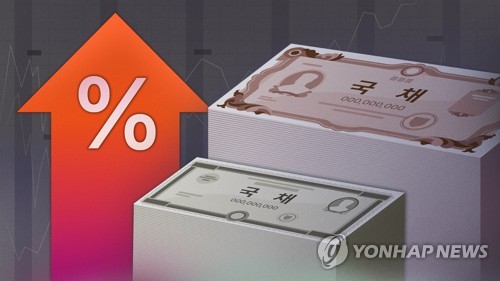
Korean Treasury yields rise as won-dollar surge lifts 3-year note to 3.733%
South Korea’s bond market absorbed a sharp foreign-exchange shock on the 29th. The won-dollar rate jumped to its highest level since the global financial crisis, sending government bond yields higher across the curve. The 3-year yield stood at 3.733%. Currency stress is now weighing on inflation expectations, funding costs and investor sentiment.