Dollar-Won Exchange Rate Faces 1,600 Risk as Strong Dollar Pressures Korea
The Korean won is under renewed pressure as several negative factors hit at once. A stronger dollar, weaker domestic growth sentiment and possible foreign fund outflows have brought the 1,600 won level into focus. A higher exchange rate directly affects import prices, corporate costs and Korean equity flows. The market will remain sensitive to U.S. rate expe
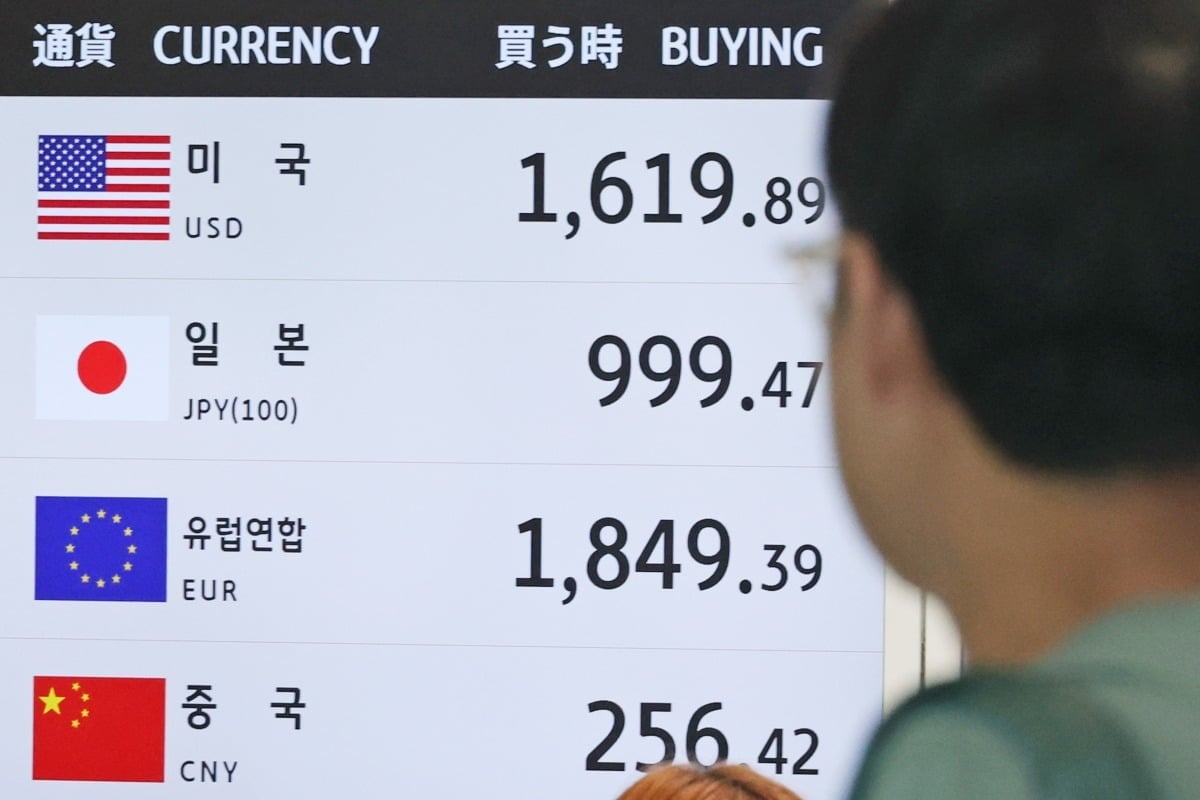
The upper range of the dollar-won exchange rate has reopened. Dollar strength, concerns over Korea’s economic slowdown and the risk of foreign capital outflows are combining to make 1,600 won per dollar a realistic stress scenario. The level is more than a round number. It affects import costs, overseas travel and education expenses, energy and commodity payments, and the supply-demand balance of Korean equities.
Why the Won Is Under Pressure
The key problem is that dollar strength and won weakness are moving together. When expectations for U.S. rate cuts weaken or demand for dollars rises, the won comes under pressure. If Korean growth concerns and risk aversion intensify, foreign investors can reduce exposure to won-denominated assets. More foreign selling in equities increases dollar demand and pushes the exchange-rate ceiling higher.
At 1,600 won, the cost shock becomes visible. Oil, natural gas, grains and industrial metals are settled in dollars, so Korean importers pay more in won. A 10,000 dollar import bill costs 14 million won at 1,400, but 16 million won at 1,600. That additional 2 million won can move into product prices and consumer inflation.
Impact on Inflation and Stocks
A weaker won is quickly felt by consumers. Refining, airlines, food, chemicals and utilities face higher dollar-based costs first. Overseas travel, tuition and online purchases also become more expensive in won terms. Higher import prices narrow the Bank of Korea’s policy room because easing becomes harder when the exchange rate and inflation are unstable.
Korean stocks will show sector divergence. Exporters with large dollar sales may benefit from higher won-translated revenue. Domestic names, airlines and companies dependent on imported raw materials face margin pressure. If foreign funds leave, volatility in the KOSPI and KOSDAQ can rise because overseas investors must factor in currency losses.
What Comes Next
The path of the exchange rate depends on U.S. rate expectations, global dollar demand, foreign flows into Korean stocks and bonds, and domestic economic data. The 1,600 level is not the base case; it is a stress zone that opens when negative factors persist. Still, the fact that markets are pricing the risk matters. Importers need to review hedging, while investors should avoid concentrating too heavily in either dollar or won assets. The won is likely to remain highly sensitive to policy signals and capital flows.
Key points
- The Korean won is under renewed pressure as several negative factors hit at once. A stronger dollar, weaker domestic growth sentiment and possible foreign fund outflows have brought the 1,600 won level into focus. A higher exchange rate directly affects import prices, corporate costs and Korean equity flows. The market will remain sensitive to U.S. rate expe
- Use the body and FAQ context before acting on this update.
- Compare with related issues inside the category hub.
FAQ
Why does 1,600 won per dollar matter?
It is a psychological stress level that can raise import prices, corporate costs and volatility in Korean financial markets.
Which sectors are most exposed?
Airlines, refiners, food, chemicals and utilities are more exposed because they rely heavily on dollar-priced imports.
What should investors monitor?
They should watch U.S. rate expectations, dollar strength, foreign stock and bond flows, and signals from the Bank of Korea.
Latest stories

Won Weakness Tied to Foreign Stock Rebalancing as FX Liquidity Stays Ample
Heo Jang said recent won weakness reflects foreign investors’ mechanical portfolio rebalancing in Korean stocks. Authorities judge market liquidity to be sufficient. A weaker won affects import costs, foreign flows, hedging expenses and overseas investment returns. Policy attention will focus on one-sided moves and volatility.
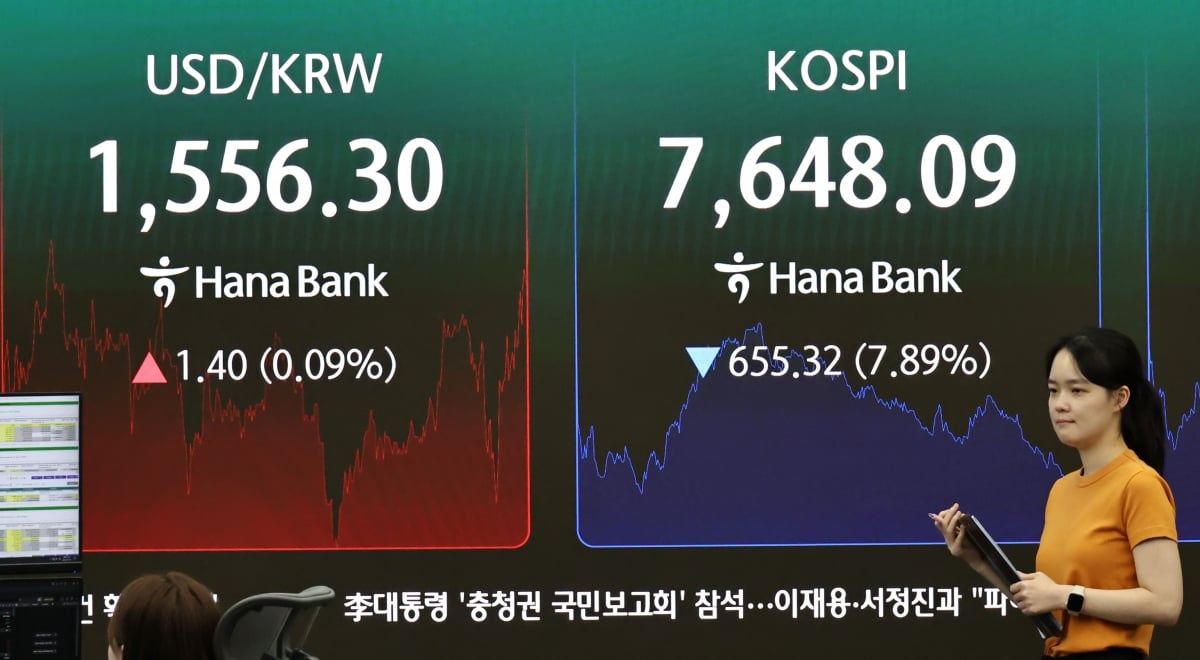
Won-Dollar Rate Holds in 1,550 Range for Second Day on Foreign Selling
The won-dollar exchange rate stayed in the 1,550 range for a second straight day as foreign investors sold Korean stocks. The level stands among the highest since the global financial crisis. The weaker won increases pressure on import prices, corporate costs and household currency needs.
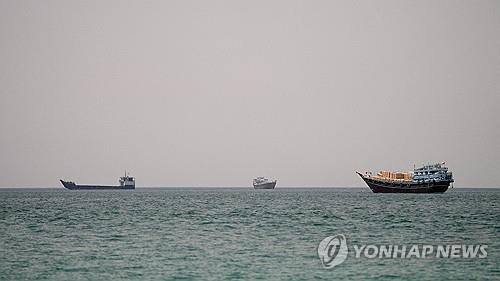
Oil Prices Rise as Hormuz Tensions Return, WTI Jumps Around 2%
Oil prices advanced on June 29 local time as tensions around the Strait of Hormuz intensified after weekend U.S.-Iran clashes. WTI rose around 2%, reflecting renewed supply-risk premiums. For South Korea, a major crude importer, higher oil can pressure refiners, airlines, petrochemicals and consumer prices. The next move depends on shipping stability and esc
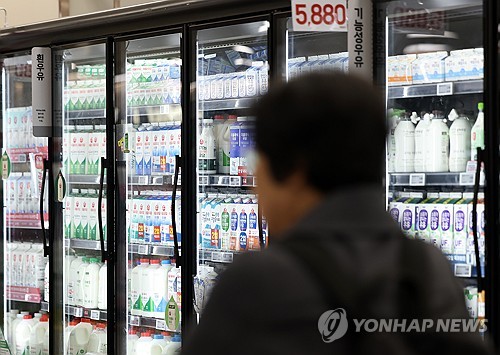
Raw Milk Volume Talks Open June 30 as Korea Weighs 43,000-Ton Drinking Milk Cut
Negotiations began on June 30 to determine raw milk purchase volumes for 2027-2028. Dairy companies and farmers are discussing how to divide drinking milk and processing milk volumes. The key issue is whether drinking milk will be reduced by as much as 43,000 tons. The decision will affect domestic milk prices, processing supply and farm income.

Gold Rebound Looks Like Short Covering, Not a Trend Reversal
The latest gold rebound is better read as short covering than a clear trend reversal. Buying has been amplified by traders closing bearish positions, while durable long demand is not yet confirmed. Korean investors need to watch both dollar gold and the USD/KRW exchange rate.
Gold Faces Selling Risk as US Policy Shifts and Fed Concerns Raise Volatility
Gold is exposed to near-term selling pressure as US policy shifts and Fed concerns move back into focus. If uncertainty lifts the dollar and real Treasury yields, the appeal of non-yielding gold may weaken. Korean investors also need to track won-dollar moves, product costs and hedging.
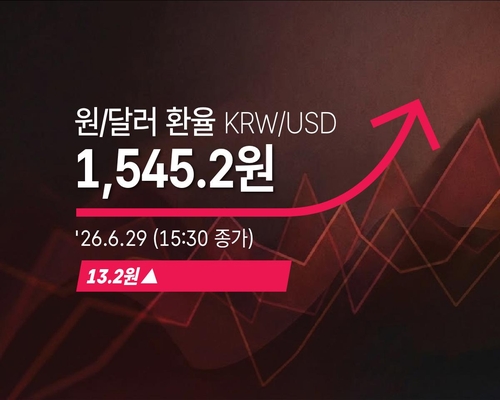
USD/KRW closes at 1,545.2 won, up 13.2 won as won weakness deepens
The USD/KRW rate rose to 1,545.2 won at the 15:30 close, marking a clear weakening of the Korean won. The move adds pressure on import costs, dollar payments and household expenses tied to overseas spending. Korean equities and bonds are likely to remain sensitive to exchange-rate volatility.
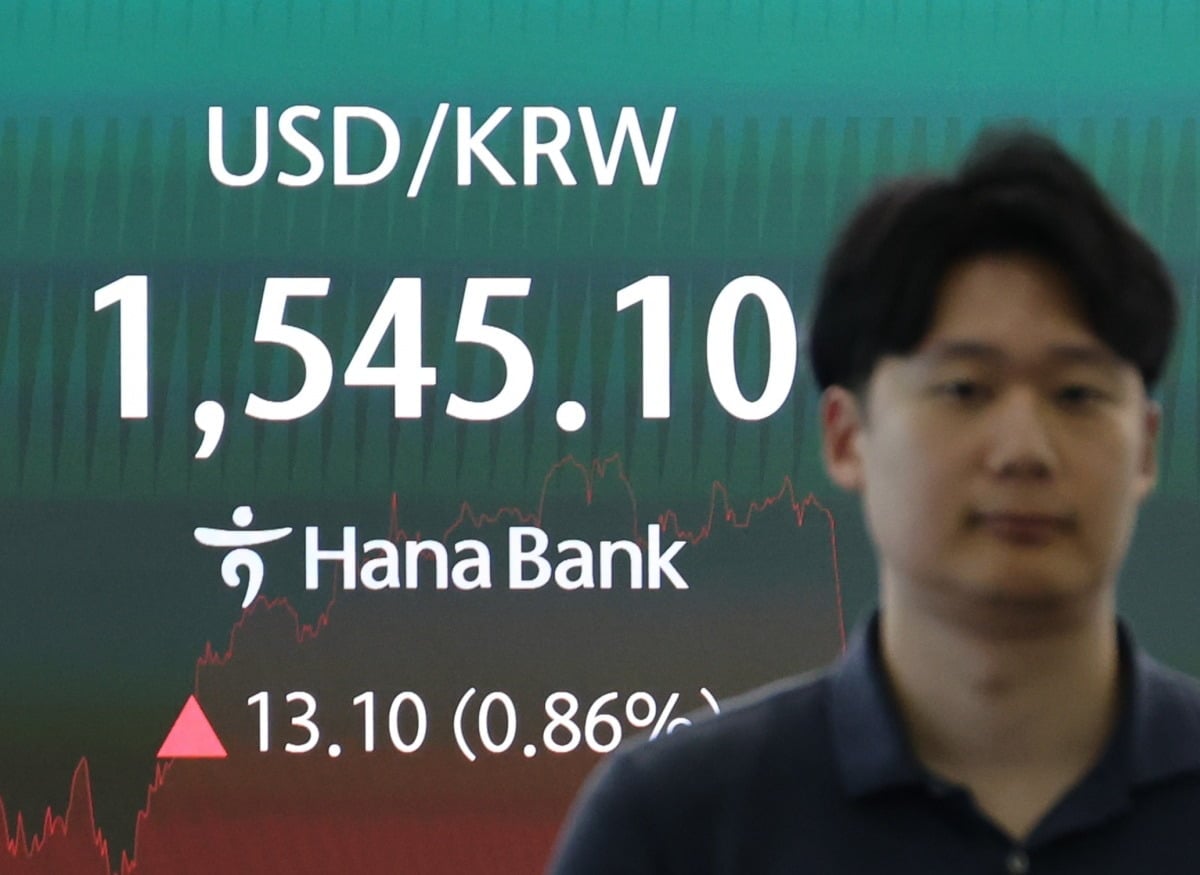
Korean Stocks Face Extreme Volatility as Fear Gauge Hits Record, Won Ends in 1,540 Range
Korea’s stock market remained in an extreme volatility phase as investor anxiety deepened. The market’s fear gauge renewed its record high, while the won-dollar exchange rate closed in the 1,540 range. Equity investors, importers, and borrowers with dollar exposure now face greater currency and volatility risk.