Won-Dollar Rate Trapped in 1,500 Won Range as Bonds Turn Cautious
The won-dollar rate is holding inside the 1,500 won range as dollar buyers and sellers reach a temporary balance. The bond market is tracking the rate path and foreign flows rather than chasing a one-way trade. At 1,500 won per dollar, a USD 10,000 payment converts into the 15 million won range, raising costs for importers, students and global investors. Hed

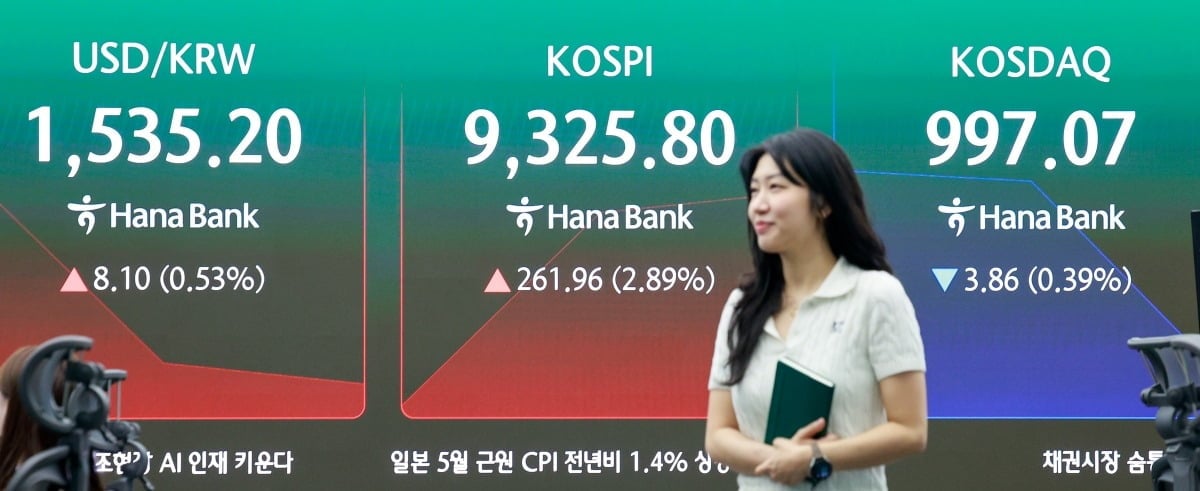
The won-dollar exchange rate remained boxed inside the 1,500 won range on June 22, keeping Korea’s FX and bond markets in a defensive stance. The central issue is whether the 1,500s become a working reference for dollar pricing rather than a brief spike.
FX balance in the 1,500s
At 1,500 won per dollar, both buyers and sellers face difficult timing. USD 100 converts into the 150,000 won range, USD 10,000 into the 15 million won range and USD 1 million into the 1.5 billion won range. A 10 won move changes a USD 10,000 payment by 100,000 won and a USD 1 million payment by 10 million won, so even small moves inside the range affect Korean margins and remittance costs.
Bond impact and outlook
The bond market is watching how a weaker won affects import prices, foreign flows and rate expectations. If the rate stays contained in the 1,500s, Korean government bond investors can refocus on the policy-rate path and growth signals. Companies and households now need budget-rate revisions, split conversion, forward hedging and maturity control rather than short-term currency bets.
Key points
- The won-dollar rate is holding inside the 1,500 won range as dollar buyers and sellers reach a temporary balance. The bond market is tracking the rate path and foreign flows rather than chasing a one-way trade. At 1,500 won per dollar, a USD 10,000 payment converts into the 15 million won range, raising costs for importers, students and global investors. Hed
- Use the body and FAQ context before acting on this update.
- Compare with related issues inside the category hub.
FAQ
What does a 1,500 won range mean for the won-dollar rate?
It means the exchange rate is moving within the 1,500 won band without a clear break above or below it, showing balance between dollar buying and selling.
How does it affect Korea’s bond market?
A weaker won can influence import prices and rate expectations, so bond investors are watching FX moves, foreign flows and the policy-rate path together.
What should companies and individuals monitor?
Companies should review budget exchange rates and dollar payment costs. Individuals should recalculate remittances, study costs, travel budgets and U.S. stock conversions using the 1,500 won range.
Latest stories
Dollar-Won Rate Tops 1,520 in June, Highest Since Asian Financial Crisis
The dollar-won rate moved above 1,520 in June, marking the highest level since the Asian financial crisis. The weaker won raises the cost of dollar payments for imports, travel and tuition. Korean equities face added sensitivity to foreign investor flows and FX losses. Companies need to review dollar liquidity, invoice timing and hedge ratios.

Oil Prices Fall 30%, but Korean Fuel Costs Stay High as Pump Relief Lags
Global oil prices fell 30% over the past month after the U.S.-Iran ceasefire agreement, but Korean pump prices have not moved down at the same pace. The delay comes from import timing, the won-dollar exchange rate, fuel taxes, inventories and retail pricing. If lower crude prices persist, domestic fuel prices are likely to ease gradually, but not by the full