Dollar-Won Rate Falls to 1,532 After Touching 1,549, Intervention Suspected
The dollar-won rate surged to the 1,549 range, intensifying pressure on the Korean won. It later retreated to around 1,532 as suspected dollar-selling linked to authorities emerged. The move matters for import costs, overseas investments and Korean stock-market sentiment.
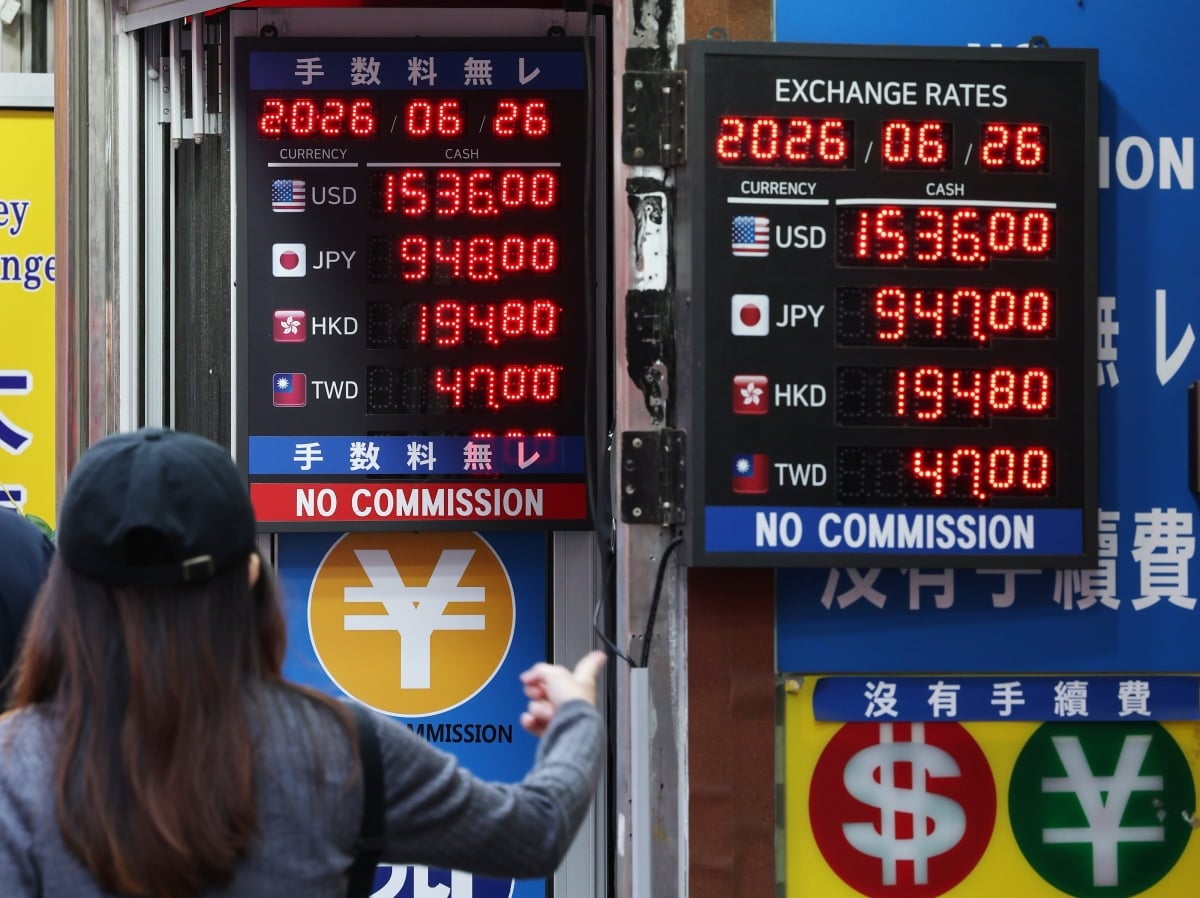
The dollar-won exchange rate rose as high as the 1,549 range during trading, then fell back to close near 1,532. The gap between the intraday high and the close was about 17 won, showing that won weakness did not continue unchecked. Suspected dollar-selling linked to foreign-exchange authorities appeared to cap the upper end of the move.
Why the 1,550 Area Matters
A dollar-won rate near 1,549 is a sensitive level for Korean companies and investors. It means each dollar costs roughly 1,549 won, immediately lifting won-based import costs for energy, raw materials and components. Exporters may gain from higher won-converted sales, but import-heavy industries face margin pressure. Individual investors holding foreign stocks or dollar deposits may see higher valuation gains, while new currency conversion becomes more expensive.
Suspected Intervention Limits the Upside
The key move was the retreat from the 1,549 range to around 1,532. Price action showed dollar demand weakening near the high and selling pressure increasing. Foreign-exchange authorities usually watch sharp one-way moves and excessive volatility closely. The exact size or timing of any intervention is not disclosed immediately, but the day’s trading pattern strengthened the market view that official smoothing was involved. The 1,549 to 1,550 zone now stands as near-term resistance, while the 1,530 area is the first downside checkpoint.
Market Impact and Outlook
The close near 1,532 eased pressure from the peak, but the absolute level remains elevated. Oil, gas, grains and industrial metals priced in dollars can feed into Korean inflation through won conversion costs. Korean equities may also react through foreign fund flows, as a sharply weaker won raises currency-loss concerns for overseas investors. Markets will next watch whether the rate attempts another break above 1,550, whether authorities take further stabilizing steps, and how importers’ dollar demand balances exporters’ selling.
Key points
- The dollar-won rate surged to the 1,549 range, intensifying pressure on the Korean won. It later retreated to around 1,532 as suspected dollar-selling linked to authorities emerged. The move matters for import costs, overseas investments and Korean stock-market sentiment.
- Use the body and FAQ context before acting on this update.
- Compare with related issues inside the category hub.
FAQ
How high did the dollar-won exchange rate rise?
It touched the 1,549 range intraday before closing near 1,532.
Why did the rate fall from the high?
Suspected dollar-selling linked to foreign-exchange authorities reduced the upward pressure.
Why does this matter for Korea?
It can affect import prices, corporate costs, currency conversion for overseas investments and foreign flows into Korean stocks.
Latest stories
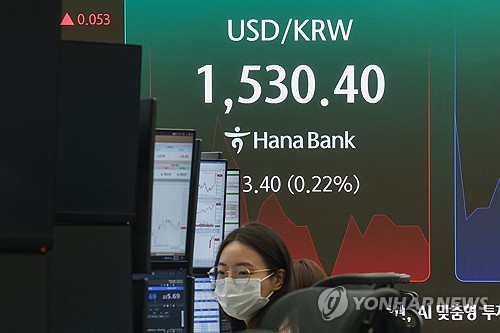
Won-Dollar Rate Opens Higher in 1,530 Range on U.S.-Iran Talks Uncertainty
The won-dollar exchange rate edged higher early on June 22, opening in the 1,530 range. Uncertainty surrounding U.S.-Iran follow-up negotiations revived demand for the safe-haven dollar. The move may add short-term pressure on Korean import costs and investor sentiment.

Japan’s Three Megabanks to Issue Yen Stablecoin by March 2027, Reshaping Settlement
Japan’s three megabanks will jointly issue a yen-based stablecoin by the end of fiscal 2026, which closes in March 2027. A 1 coin to 1 yen structure could change the speed and cost of corporate settlement and tokenized-asset payments. At roughly 940 won per 100 yen, Korean companies trading with Japan may see direct settlement impacts. Korea’s debate over wo
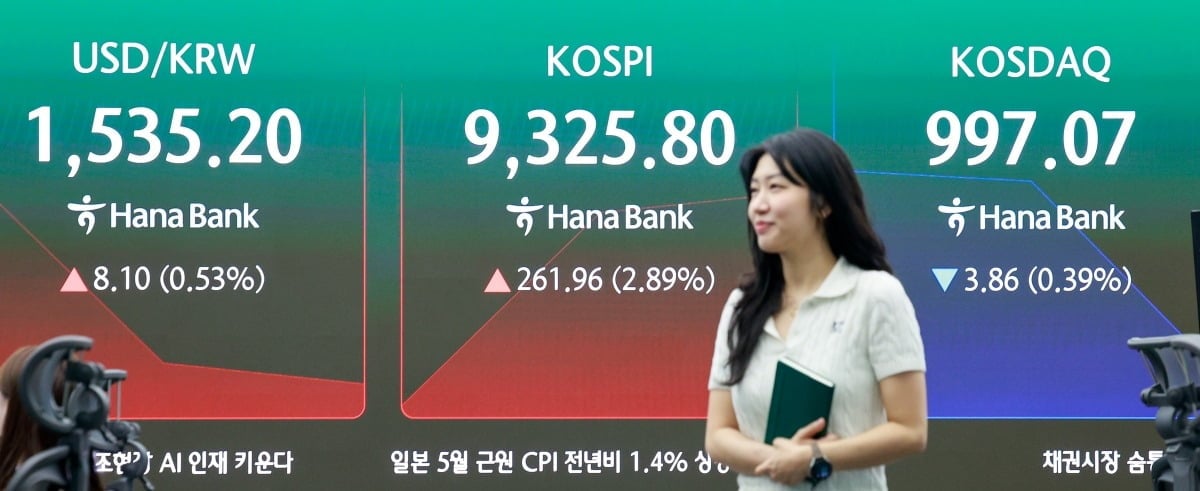
Dollar-Won Rate Tops 1,520 in June, Highest Since Asian Financial Crisis
The dollar-won rate moved above 1,520 in June, marking the highest level since the Asian financial crisis. The weaker won raises the cost of dollar payments for imports, travel and tuition. Korean equities face added sensitivity to foreign investor flows and FX losses. Companies need to review dollar liquidity, invoice timing and hedge ratios.

Oil Prices Fall 30%, but Korean Fuel Costs Stay High as Pump Relief Lags
Global oil prices fell 30% over the past month after the U.S.-Iran ceasefire agreement, but Korean pump prices have not moved down at the same pace. The delay comes from import timing, the won-dollar exchange rate, fuel taxes, inventories and retail pricing. If lower crude prices persist, domestic fuel prices are likely to ease gradually, but not by the full

Won-Dollar Rate Trapped in 1,500 Won Range as Bonds Turn Cautious
The won-dollar rate is holding inside the 1,500 won range as dollar buyers and sellers reach a temporary balance. The bond market is tracking the rate path and foreign flows rather than chasing a one-way trade. At 1,500 won per dollar, a USD 10,000 payment converts into the 15 million won range, raising costs for importers, students and global investors. Hed