Korea’s Monthly Exports Top $100 Billion, Signaling a New Trade Paradigm
South Korea’s exports crossed the $100 billion monthly mark for the first time. A weaker won helped corporate earnings in local-currency terms, but the record cannot be explained by exchange rates alone. Demand for semiconductors, autos, ships and energy-related products points to a broader change in Korea’s export structure.
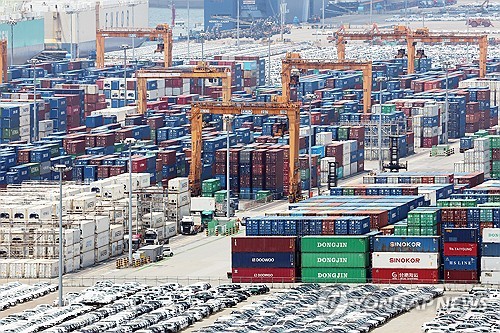
South Korea’s exports surpassed $100 billion in a single month for the first time last month. The weak won improved price competitiveness and lifted local-currency sales, but the milestone reflects more than currency effects. Export volumes, product prices and Korea’s position in global supply chains moved together.
Beyond the Exchange Rate
A strong dollar can help Korean exporters by increasing won-denominated revenue and making products more competitive abroad. Yet a $100 billion monthly export figure requires genuine foreign demand and stronger selling prices. Semiconductors, automobiles, ships, petroleum products and battery materials all contributed as the global manufacturing cycle improved.
Impact at Home
At 1,300 won per dollar, $100 billion equals about 130 trillion won; at 1,400 won, it equals about 140 trillion won. That scale supports earnings, tax revenue, investment and hiring sentiment. The risk is that a prolonged weak won also raises energy and raw-material import costs, pressuring airlines, refiners, food companies and chemical producers.
What Comes Next
The key question is whether export strength can last after currency conditions change. Korea’s resilience will depend on high-value semiconductors, eco-friendly ships, EV components, defense products and energy storage systems. The $100 billion mark is less a one-off headline than a signal that Korean trade is moving toward higher-value strategic industries.
Key points
- South Korea’s exports crossed the $100 billion monthly mark for the first time. A weaker won helped corporate earnings in local-currency terms, but the record cannot be explained by exchange rates alone. Demand for semiconductors, autos, ships and energy-related products points to a broader change in Korea’s export structure.
- Use the body and FAQ context before acting on this update.
- Compare with related issues inside the category hub.
FAQ
Why is Korea’s $100 billion monthly export record important?
It shows that export scale has reached a new level, supported by both currency conditions and stronger demand for key industrial products.
Was the record caused only by the weak won?
No. The weak won helped, but dollar-based exports also rose, indicating stronger volumes and higher-value products.
How does this affect the Korean economy?
It supports exporters, investment and jobs, while a weak won can also raise import costs for energy, raw materials and consumer goods.
Latest stories

Won Volatility Response Capacity Sufficient as Seoul Warns Against One-Way FX Moves
Huh Jang, second vice minister at the finance ministry, emphasized that currency authorities retain sufficient room to respond to higher volatility. The focus is on curbing excessive one-way positioning rather than defending a fixed exchange-rate level. A weaker won can raise import prices, corporate dollar payments and foreign-debt costs. Authorities are ex

Korea-US Strategic Investment to Move With FX Stability Measures
Koo Yun-cheol said Korea will pursue Korea-US strategic investment while keeping the foreign exchange market stable. The policy focus is on preventing investment-related dollar demand from amplifying won-dollar volatility. The issue matters for companies, banks, importers, exporters and investors exposed to dollar assets.
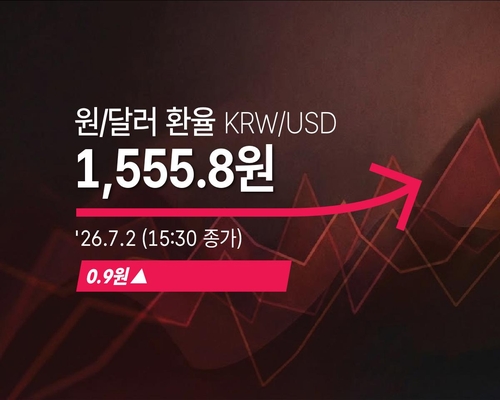
USD/KRW closes at 1,555.8 won, up 0.9 won at 3:30 p.m.
USD/KRW finished at 1,555.8 won. The 3:30 p.m. close was 0.9 won above the previous trading day. A higher rate means the won weakened slightly against the dollar. Import payments, overseas remittances and dollar debt costs remain in focus.
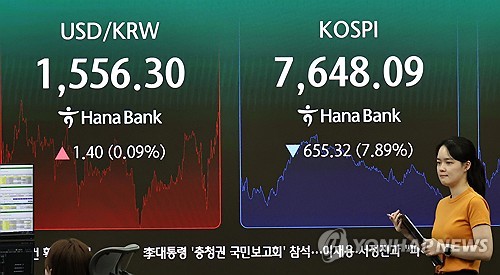
Won-Dollar Rate Holds Above 1,550 for Second Day on Foreign Stock Selling
The won-dollar exchange rate remained in the 1,550 range on July 2, extending its highest level since the global financial crisis. Heavy foreign net selling in Korean stocks increased pressure on the won. A weaker won raises import costs, energy bills, overseas payments and foreign-currency debt burdens. Markets are watching foreign fund flows and possible s

Won Weakness Tied to Foreign Stock Rebalancing as FX Liquidity Stays Ample
Heo Jang said recent won weakness reflects foreign investors’ mechanical portfolio rebalancing in Korean stocks. Authorities judge market liquidity to be sufficient. A weaker won affects import costs, foreign flows, hedging expenses and overseas investment returns. Policy attention will focus on one-sided moves and volatility.
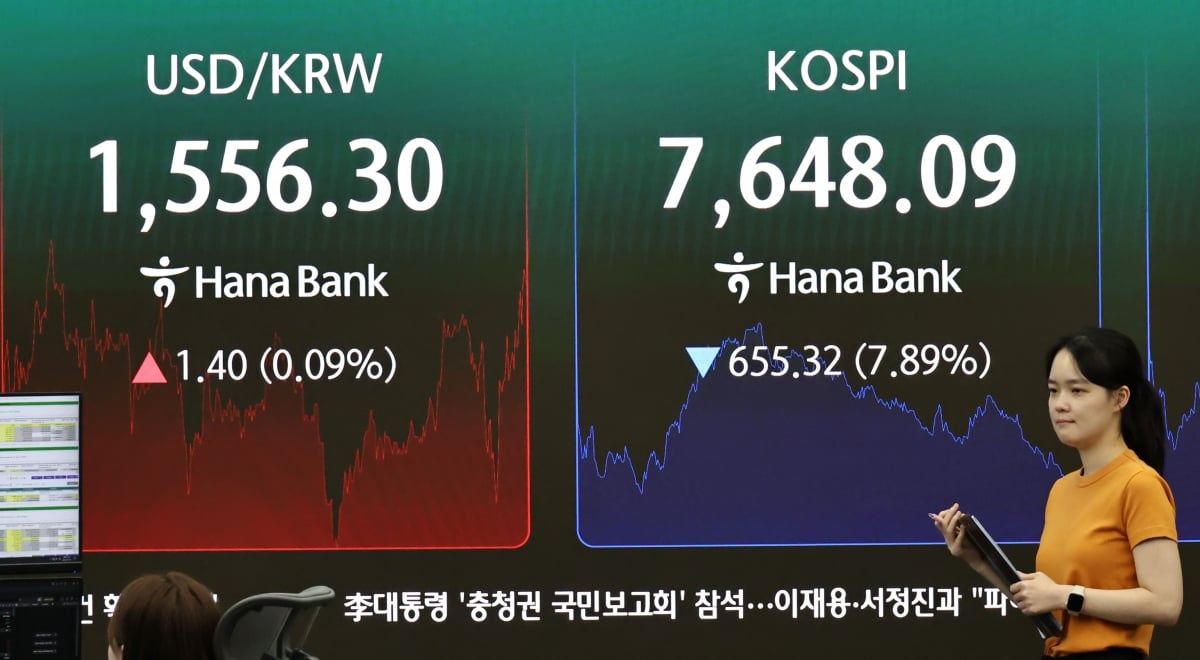
Won-Dollar Rate Holds in 1,550 Range for Second Day on Foreign Selling
The won-dollar exchange rate stayed in the 1,550 range for a second straight day as foreign investors sold Korean stocks. The level stands among the highest since the global financial crisis. The weaker won increases pressure on import prices, corporate costs and household currency needs.
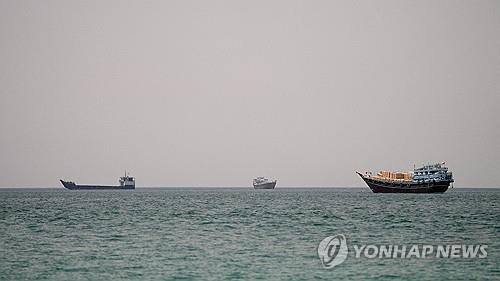
Oil Prices Rise as Hormuz Tensions Return, WTI Jumps Around 2%
Oil prices advanced on June 29 local time as tensions around the Strait of Hormuz intensified after weekend U.S.-Iran clashes. WTI rose around 2%, reflecting renewed supply-risk premiums. For South Korea, a major crude importer, higher oil can pressure refiners, airlines, petrochemicals and consumer prices. The next move depends on shipping stability and esc
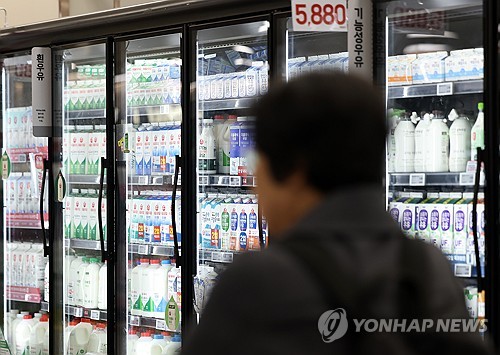
Raw Milk Volume Talks Open June 30 as Korea Weighs 43,000-Ton Drinking Milk Cut
Negotiations began on June 30 to determine raw milk purchase volumes for 2027-2028. Dairy companies and farmers are discussing how to divide drinking milk and processing milk volumes. The key issue is whether drinking milk will be reduced by as much as 43,000 tons. The decision will affect domestic milk prices, processing supply and farm income.