Won Falls Nearly 6% as Foreign Investors Sell 156 Trillion Won in Korean Stocks
Heavy foreign selling in Korean equities has deepened pressure on the won. Net selling has exceeded 156 trillion won this year, while the currency has lost nearly 6% against the dollar. The market is watching whether expanded 24-hour FX trading can reduce one-sided moves. Import costs, overseas investment returns and corporate hedging are directly affected.
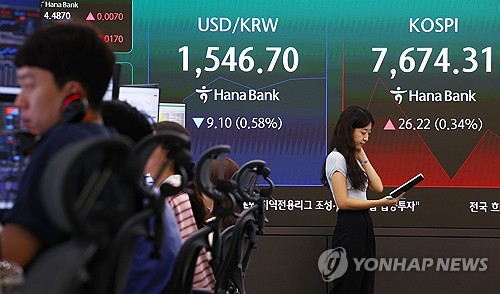
Foreign selling in Korean equities is feeding pressure on the won. Net sales have exceeded 156 trillion won this year, while the won has fallen nearly 6% against the U.S. dollar. Stock outflows increase demand for dollars, and that pressure has been amplified by a strong-dollar backdrop. The key question now is whether expanded 24-hour foreign exchange trading can act as a stabilizer.
Why Selling Hits the Won
When foreign investors sell Korean shares, the proceeds are received in won. To take those funds overseas, investors typically convert won into dollars. That conversion increases dollar demand and weighs on the Korean currency. A 6% decline means households and companies need more won to buy the same amount of dollars, affecting importers, dollar debtors, overseas students and travelers.
The Role of 24-Hour FX Trading
Longer trading hours can reduce order concentration during limited domestic sessions. They also allow U.S. rate expectations, oil prices and New York or London market moves to be reflected faster in the won. Still, trading hours alone do not remove the causes of weakness. If foreign selling, U.S. monetary policy and geopolitical risk remain unfavorable, 24-hour trading may spread volatility across time rather than reverse the trend.
Market Impact
A weaker won can help exporters when overseas revenue is converted into local currency, but it raises costs for firms dependent on imported energy, grains and metals. Retail investors buying foreign stocks or dollar deposits must consider both investment returns and exchange-rate risk. Companies are likely to revisit hedging through forward contracts, options and staggered settlement schedules.
Key points
- Heavy foreign selling in Korean equities has deepened pressure on the won. Net selling has exceeded 156 trillion won this year, while the currency has lost nearly 6% against the dollar. The market is watching whether expanded 24-hour FX trading can reduce one-sided moves. Import costs, overseas investment returns and corporate hedging are directly affected.
- Use the body and FAQ context before acting on this update.
- Compare with related issues inside the category hub.
FAQ
Why does foreign stock selling weaken the won?
Foreign investors often convert won proceeds into dollars when repatriating funds, increasing dollar demand and putting downward pressure on the won.
What does a nearly 6% fall in the won mean?
It means more won are needed to buy one dollar, raising the local-currency cost of imports, overseas spending and dollar-denominated debt.
Can 24-hour FX trading stabilize the exchange rate?
It can improve liquidity and reduce order concentration, but it cannot eliminate fundamental pressure from capital outflows or dollar strength.
Latest stories

Vice Finance Minister Heo Jang Orders Close Review of External Shifts After Middle East War
Vice Finance Minister Heo Jang urged officials to examine structural changes in the external environment after the Middle East war. The focus is on exchange rates, energy prices, supply chains and trade rules. Korean companies and financial markets are watching dollar liquidity, import costs and export conditions.

Won Volatility Response Capacity Sufficient as Seoul Warns Against One-Way FX Moves
Huh Jang, second vice minister at the finance ministry, emphasized that currency authorities retain sufficient room to respond to higher volatility. The focus is on curbing excessive one-way positioning rather than defending a fixed exchange-rate level. A weaker won can raise import prices, corporate dollar payments and foreign-debt costs. Authorities are ex

Korea-US Strategic Investment to Move With FX Stability Measures
Koo Yun-cheol said Korea will pursue Korea-US strategic investment while keeping the foreign exchange market stable. The policy focus is on preventing investment-related dollar demand from amplifying won-dollar volatility. The issue matters for companies, banks, importers, exporters and investors exposed to dollar assets.
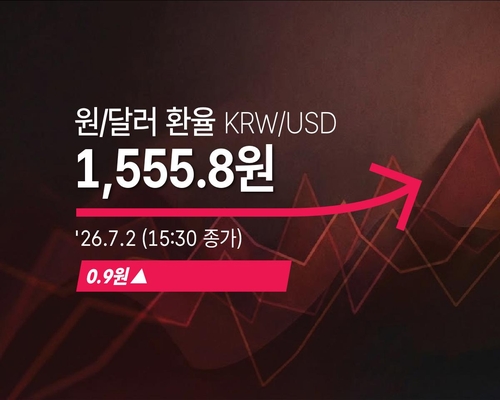
USD/KRW closes at 1,555.8 won, up 0.9 won at 3:30 p.m.
USD/KRW finished at 1,555.8 won. The 3:30 p.m. close was 0.9 won above the previous trading day. A higher rate means the won weakened slightly against the dollar. Import payments, overseas remittances and dollar debt costs remain in focus.
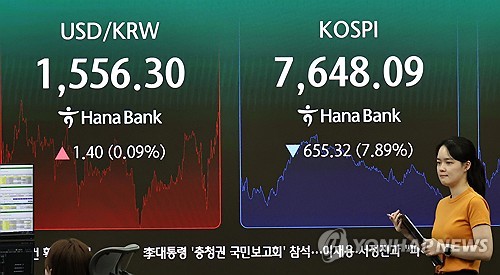
Won-Dollar Rate Holds Above 1,550 for Second Day on Foreign Stock Selling
The won-dollar exchange rate remained in the 1,550 range on July 2, extending its highest level since the global financial crisis. Heavy foreign net selling in Korean stocks increased pressure on the won. A weaker won raises import costs, energy bills, overseas payments and foreign-currency debt burdens. Markets are watching foreign fund flows and possible s

Won Weakness Tied to Foreign Stock Rebalancing as FX Liquidity Stays Ample
Heo Jang said recent won weakness reflects foreign investors’ mechanical portfolio rebalancing in Korean stocks. Authorities judge market liquidity to be sufficient. A weaker won affects import costs, foreign flows, hedging expenses and overseas investment returns. Policy attention will focus on one-sided moves and volatility.
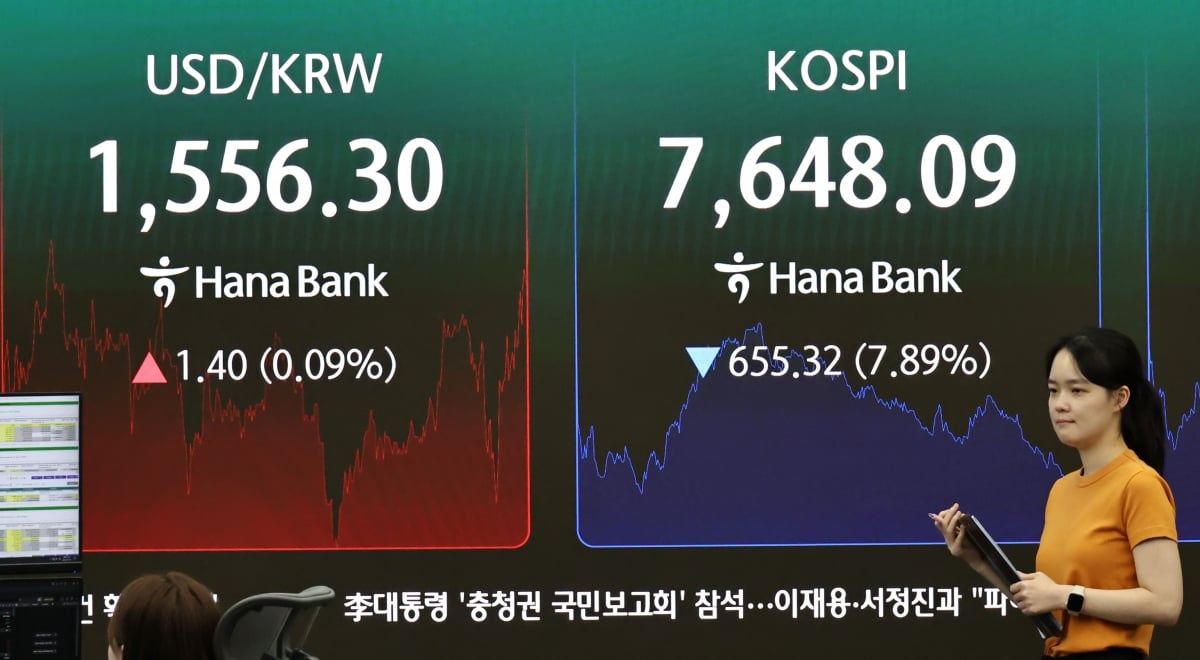
Won-Dollar Rate Holds in 1,550 Range for Second Day on Foreign Selling
The won-dollar exchange rate stayed in the 1,550 range for a second straight day as foreign investors sold Korean stocks. The level stands among the highest since the global financial crisis. The weaker won increases pressure on import prices, corporate costs and household currency needs.
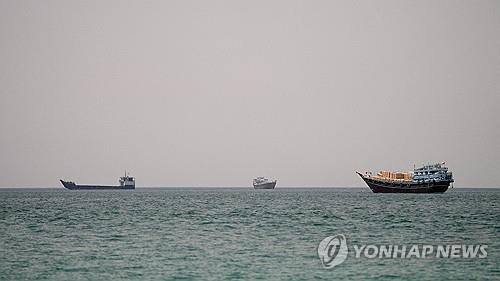
Oil Prices Rise as Hormuz Tensions Return, WTI Jumps Around 2%
Oil prices advanced on June 29 local time as tensions around the Strait of Hormuz intensified after weekend U.S.-Iran clashes. WTI rose around 2%, reflecting renewed supply-risk premiums. For South Korea, a major crude importer, higher oil can pressure refiners, airlines, petrochemicals and consumer prices. The next move depends on shipping stability and esc