Dollar-Won Rate Tops 1,520 in June, Highest Since Asian Financial Crisis
The dollar-won rate moved above 1,520 in June, marking the highest level since the Asian financial crisis. The weaker won raises the cost of dollar payments for imports, travel and tuition. Korean equities face added sensitivity to foreign investor flows and FX losses. Companies need to review dollar liquidity, invoice timing and hedge ratios.
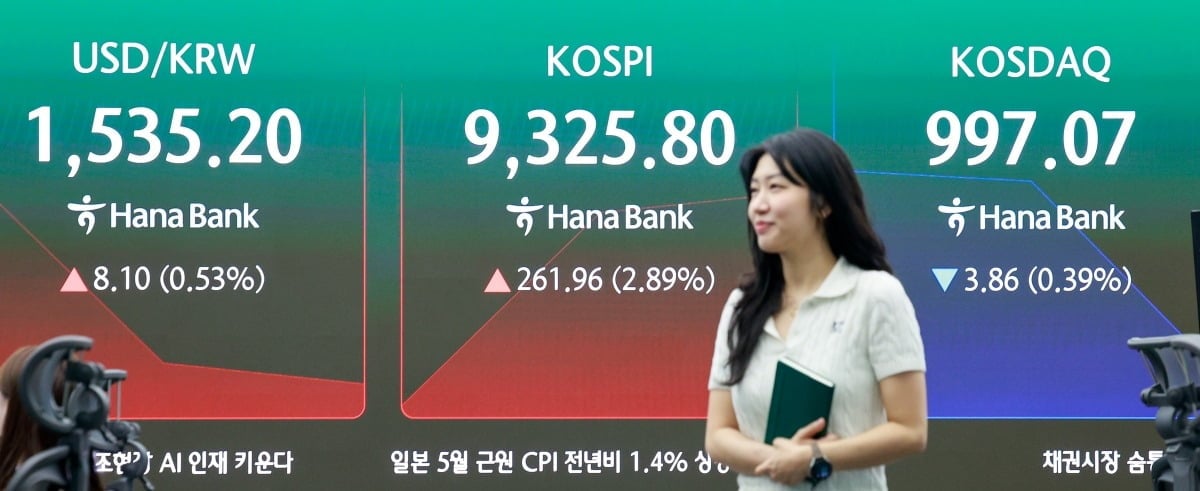
The dollar-won exchange rate moved above 1,520 won per dollar in June, reaching the highest level since the Asian financial crisis. This is no longer just a market quote. It is a cost shock for Korean households and companies exposed to dollar payments.
Why 1,520 Won Matters
At 1,520 won, a 1,000-dollar payment costs 1.52 million won, and a 10,000-dollar invoice costs 15.2 million won before fees. Importers of energy, raw materials, food and parts face higher won-denominated costs. Overseas travel, tuition and direct purchases also become more expensive for households. Exporters with dollar revenue may gain in won terms, but the result depends on imported inputs and hedge coverage.
Market Impact and Outlook
Korean equities may come under pressure if foreign investors focus on FX losses. Imported inflation can also limit expectations for easier monetary policy. The key test is whether the rate settles above 1,520 won or retreats. Companies should review dollar liquidity, payment schedules and hedge ratios, while households should split large currency needs across dates.
Key points
- The dollar-won rate moved above 1,520 in June, marking the highest level since the Asian financial crisis. The weaker won raises the cost of dollar payments for imports, travel and tuition. Korean equities face added sensitivity to foreign investor flows and FX losses. Companies need to review dollar liquidity, invoice timing and hedge ratios.
- Use the body and FAQ context before acting on this update.
- Compare with related issues inside the category hub.
FAQ
What does the 1,520 won exchange rate mean?
It means one dollar costs 1,520 won, signaling the weakest won level since the Asian financial crisis.
How does a weaker won affect Korean prices?
It raises the won cost of dollar-priced oil, commodities, food and parts, adding pressure to import and consumer prices.
What should households and companies monitor?
Households should manage timing for travel and payments, while companies should review dollar liquidity, payment currencies and hedge ratios.
Latest stories

Oil Prices Fall 30%, but Korean Fuel Costs Stay High as Pump Relief Lags
Global oil prices fell 30% over the past month after the U.S.-Iran ceasefire agreement, but Korean pump prices have not moved down at the same pace. The delay comes from import timing, the won-dollar exchange rate, fuel taxes, inventories and retail pricing. If lower crude prices persist, domestic fuel prices are likely to ease gradually, but not by the full

Won-Dollar Rate Trapped in 1,500 Won Range as Bonds Turn Cautious
The won-dollar rate is holding inside the 1,500 won range as dollar buyers and sellers reach a temporary balance. The bond market is tracking the rate path and foreign flows rather than chasing a one-way trade. At 1,500 won per dollar, a USD 10,000 payment converts into the 15 million won range, raising costs for importers, students and global investors. Hed