Won-Dollar Rate Opens Higher in 1,530 Range on U.S.-Iran Talks Uncertainty
The won-dollar exchange rate edged higher early on June 22, opening in the 1,530 range. Uncertainty surrounding U.S.-Iran follow-up negotiations revived demand for the safe-haven dollar. The move may add short-term pressure on Korean import costs and investor sentiment.
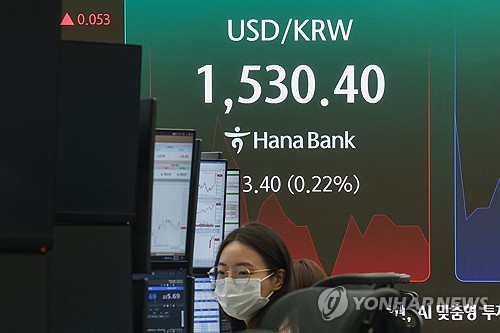
The won-dollar exchange rate opened slightly higher in Seoul on June 22, trading in the 1,530 range as uncertainty increased around follow-up negotiations between the United States and Iran. The market moved cautiously from the start of trading, with investors leaning toward the dollar as geopolitical risk returned to the center of foreign-exchange pricing.
U.S.-Iran Tension Supports Dollar Demand
The key driver was renewed doubt over the path of post-war follow-up talks between Washington and Tehran. If negotiations progress smoothly, pressure on energy supply and regional risk can ease. When talks show signs of strain, however, investors tend to rebuild defensive positions. The dollar benefits in that environment because it is widely treated as a safe-haven currency. The Korean won, which is sensitive to external risk, faces pressure when geopolitical uncertainty, dollar strength and weaker risk appetite appear at the same time.
Impact on Korean Markets
The 1,530 range matters for Korean companies and households even when the daily rise is modest. A weaker won raises the local-currency cost of imports settled in dollars, including crude oil, natural gas, grains and industrial raw materials. That can increase costs for refiners, airlines and manufacturers, and may later feed into consumer prices. For Korean investors holding overseas stocks or dollar assets, the stronger dollar can support currency gains, but it also makes new dollar purchases more expensive.
What Comes Next
The near-term direction will depend on signals from U.S.-Iran negotiations and broader risk appetite. Clear progress in talks could ease dollar strength, while continued friction may keep the won-dollar rate volatile around the 1,530 level. Foreign investor flows in Korean equities will also be important. Additional selling by overseas investors would add pressure on the won, while a recovery in risk appetite could limit further gains in the exchange rate.
Key points
- The won-dollar exchange rate edged higher early on June 22, opening in the 1,530 range. Uncertainty surrounding U.S.-Iran follow-up negotiations revived demand for the safe-haven dollar. The move may add short-term pressure on Korean import costs and investor sentiment.
- Use the body and FAQ context before acting on this update.
- Compare with related issues inside the category hub.
FAQ
Why did the won-dollar exchange rate rise on June 22?
Uncertainty over U.S.-Iran follow-up talks increased safe-haven demand for the dollar and put pressure on the won.
Where did the won-dollar rate open?
It opened slightly higher in the 1,530 won range in early Seoul trading on June 22.
How can a higher exchange rate affect Korea?
It raises the won cost of dollar-priced imports such as energy, grains and industrial materials, increasing pressure on companies and consumers.
Latest stories

Oil Prices Fall 30%, but Korean Fuel Costs Stay High as Pump Relief Lags
Global oil prices fell 30% over the past month after the U.S.-Iran ceasefire agreement, but Korean pump prices have not moved down at the same pace. The delay comes from import timing, the won-dollar exchange rate, fuel taxes, inventories and retail pricing. If lower crude prices persist, domestic fuel prices are likely to ease gradually, but not by the full

Won-Dollar Rate Trapped in 1,500 Won Range as Bonds Turn Cautious
The won-dollar rate is holding inside the 1,500 won range as dollar buyers and sellers reach a temporary balance. The bond market is tracking the rate path and foreign flows rather than chasing a one-way trade. At 1,500 won per dollar, a USD 10,000 payment converts into the 15 million won range, raising costs for importers, students and global investors. Hed