Oil Price Surge Lifts Korean Refinery Stocks as U.S.-Iran Clash Shakes Markets
Armed conflict between the United States and Iran fueled supply fears and lifted Korean refinery stocks on July 13, 2026. Higher oil prices support inventory gains and refining margin expectations, but they also raise Korea’s dollar-denominated import burden. Pump prices may react with a lag through taxes, exchange rates and distribution costs. Volatility ma
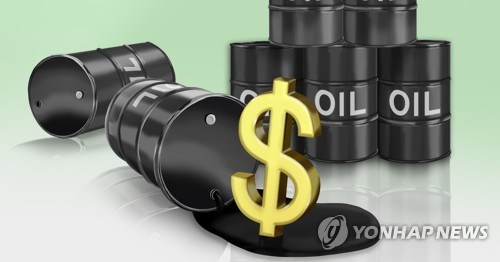
Korean refinery stocks rose together on July 13, 2026, as international oil prices surged after armed conflict between the United States and Iran. The move reflected immediate concern over crude supply and stronger expectations for inventory gains and refining margins. For Korea, however, higher oil also means a larger import bill because crude is paid for in dollars and converted into won.
Why Oil Lifted Refiners
When Middle East tensions intensify, markets quickly price in risks to production facilities and shipping routes. Korean refiners import crude and sell gasoline, diesel and jet fuel, so oil-price changes feed directly into earnings expectations and share prices. Rising crude can lift the value of existing inventories and support product-price expectations.
Market Impact in Korea
The key facts are clear: the trading day was July 13, 2026, the trigger was a sharp rise in international oil prices, and the market reaction was a broad gain in domestic refinery shares. Airlines, shipping, chemicals and steel may face the opposite pressure because fuel and crude are costs for them.
Outlook
Gasoline and diesel prices in Korea move through oil prices, exchange rates, fuel taxes and distribution margins, often with a lag. Refinery shares may keep drawing buyers in the short term, but a prolonged conflict would raise energy costs, inflation pressure and stock-market volatility.
Key points
- Armed conflict between the United States and Iran fueled supply fears and lifted Korean refinery stocks on July 13, 2026. Higher oil prices support inventory gains and refining margin expectations, but they also raise Korea’s dollar-denominated import burden. Pump prices may react with a lag through taxes, exchange rates and distribution costs. Volatility ma
- Use the body and FAQ context before acting on this update.
- Compare with related issues inside the category hub.
FAQ
Why did Korean refinery stocks rise on July 13?
They rose as the U.S.-Iran armed conflict drove international oil prices higher, improving expectations for inventory values and refining margins.
How can higher oil prices affect Korean consumers?
They can feed into gasoline, diesel, logistics and transport costs through exchange rates, fuel taxes and distribution margins, usually with a lag.
Can the rally in refinery stocks continue?
It depends on Middle East tensions, oil prices, the won-dollar exchange rate and refining margins. Longer conflict would increase volatility.
Latest stories

Dollar-won rate seen near 1,500 in three months as chip exports support the won
The near-term dollar-won outlook is being shaped by policy support and export recovery rather than equity outflows alone. Citibank Korea places the rate near 1,500 within three months. Strong semiconductor exports and FX stabilization steps are expected to ease pressure on the won, though persistent foreign selling could slow the move.
Korea to Inject 14.9 Trillion Won for SMEs Hit by High Exchange Rates
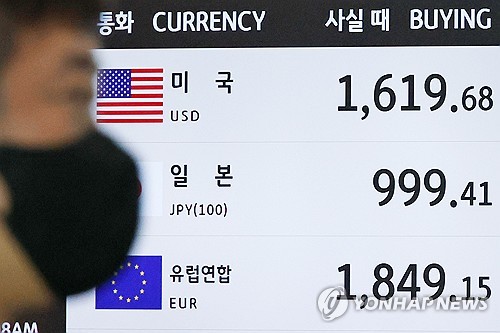
As the won-dollar exchange rate remains in the mid-1,500 won range, Korea is moving to protect small and mid-sized companies. A combined 14.9 trillion won will be supplied through loans and guarantees. FX volatility insurance will also be expanded to reduce currency-loss risks for importers and exporters.
Dollar-Won Exchange Rate Faces 1,600 Risk as Strong Dollar Pressures Korea
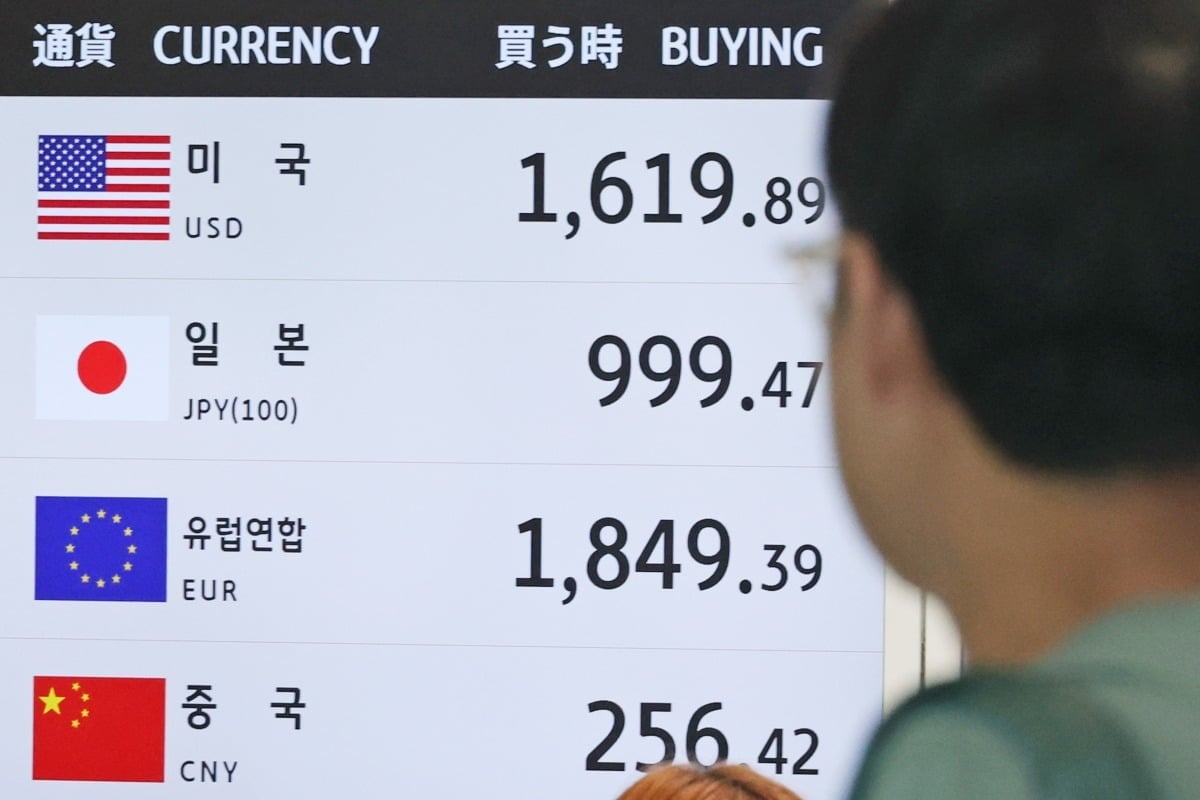
The Korean won is under renewed pressure as several negative factors hit at once. A stronger dollar, weaker domestic growth sentiment and possible foreign fund outflows have brought the 1,600 won level into focus. A higher exchange rate directly affects import prices, corporate costs and Korean equity flows. The market will remain sensitive to U.S. rate expe

Vice Finance Minister Heo Jang Orders Close Review of External Shifts After Middle East War
Vice Finance Minister Heo Jang urged officials to examine structural changes in the external environment after the Middle East war. The focus is on exchange rates, energy prices, supply chains and trade rules. Korean companies and financial markets are watching dollar liquidity, import costs and export conditions.

Won Volatility Response Capacity Sufficient as Seoul Warns Against One-Way FX Moves
Huh Jang, second vice minister at the finance ministry, emphasized that currency authorities retain sufficient room to respond to higher volatility. The focus is on curbing excessive one-way positioning rather than defending a fixed exchange-rate level. A weaker won can raise import prices, corporate dollar payments and foreign-debt costs. Authorities are ex

Korea-US Strategic Investment to Move With FX Stability Measures
Koo Yun-cheol said Korea will pursue Korea-US strategic investment while keeping the foreign exchange market stable. The policy focus is on preventing investment-related dollar demand from amplifying won-dollar volatility. The issue matters for companies, banks, importers, exporters and investors exposed to dollar assets.
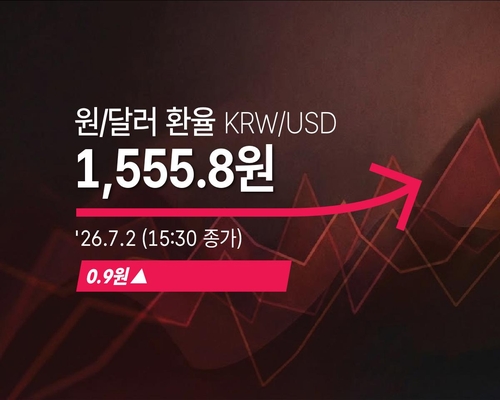
USD/KRW closes at 1,555.8 won, up 0.9 won at 3:30 p.m.
USD/KRW finished at 1,555.8 won. The 3:30 p.m. close was 0.9 won above the previous trading day. A higher rate means the won weakened slightly against the dollar. Import payments, overseas remittances and dollar debt costs remain in focus.
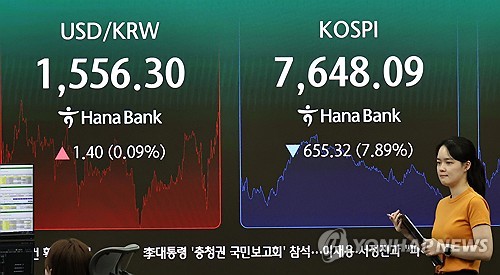
Won-Dollar Rate Holds Above 1,550 for Second Day on Foreign Stock Selling
The won-dollar exchange rate remained in the 1,550 range on July 2, extending its highest level since the global financial crisis. Heavy foreign net selling in Korean stocks increased pressure on the won. A weaker won raises import costs, energy bills, overseas payments and foreign-currency debt burdens. Markets are watching foreign fund flows and possible s