Won-Dollar Rate Opens at 1,530.9, Up 3.9 Won as Cost Pressure Returns
The won-dollar exchange rate opened at 1,530.9 on June 22, rising 3.9 won from the previous session. The move points to early dollar demand and renewed pressure on the Korean won. A higher rate can lift import costs, foreign-currency debt burdens and market volatility.
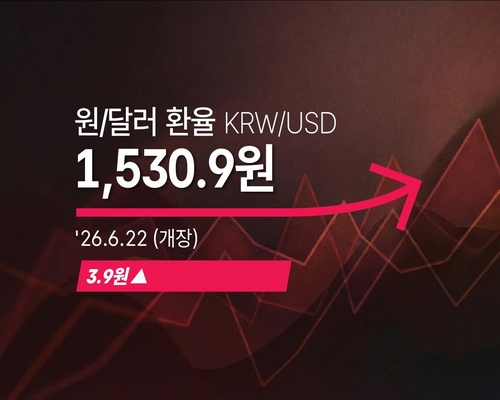
The won-dollar exchange rate started June 22 in the 1,530 range. It opened at 1,530.9 won per dollar, up 3.9 won from the previous session. That means the Korean won weakened against the U.S. dollar at the start of trading. The size of the move is not a sharp surge, but the 1,530 level matters for Korean importers, overseas remittance demand and companies with dollar liabilities.
Seoul FX Market Opens With a Weaker Won
The higher opening rate signals stronger early demand for dollars than for won. When the won-dollar rate rises, more won is needed to buy one dollar. At 1,530.9 won, buying $1,000 costs about 1,530,900 won. Compared with the previous session, that is roughly 3,900 won more per $1,000. Students sending money abroad, travelers, importers and firms settling dollar invoices are therefore exposed to intraday swings.
Direct Impact on Import Costs and Companies
A rising exchange rate increases the won-denominated cost of imported raw materials, energy and intermediate goods. Oil, natural gas, grains and metals are priced globally in dollars, so currency moves can quickly affect Korean procurement costs. Manufacturers with high import dependence may face higher input prices, while companies unable to pass on costs could see margins squeezed. For consumers, the effect may appear later in imported food, electronics, airline tickets and overseas shopping prices. In Korean equities, a weaker won can also weigh on foreign investor flows by raising currency-loss concerns.
Volatility and FX Risk Management Matter
The key issue is whether the rate stays above 1,530 and whether gains widen during the day. The opening rate is only the starting point. Exporter dollar selling, importer payment demand, offshore trading and domestic stock moves can all change the direction. If the exchange rate rises further, import settlement costs and foreign borrowing burdens will increase. If gains fade, short-term pressure may ease. For now, the won-dollar rate is likely to remain sensitive to dollar supply-demand and risk appetite. Companies need to review hedging tools such as forwards, while individuals can reduce exposure by splitting exchange or remittance timing.
Key points
- The won-dollar exchange rate opened at 1,530.9 on June 22, rising 3.9 won from the previous session. The move points to early dollar demand and renewed pressure on the Korean won. A higher rate can lift import costs, foreign-currency debt burdens and market volatility.
- Use the body and FAQ context before acting on this update.
- Compare with related issues inside the category hub.
FAQ
Where did the won-dollar exchange rate open?
It opened at 1,530.9 won per dollar on June 22, up 3.9 won from the previous session.
What does a higher won-dollar rate mean?
It means the Korean won weakened against the U.S. dollar, making dollar purchases and payments more expensive in won terms.
How can it affect Korea’s economy?
It can raise import costs, increase foreign-currency debt burdens and influence local equity flows and consumer prices over time.
Latest stories

Oil Prices Fall 30%, but Korean Fuel Costs Stay High as Pump Relief Lags
Global oil prices fell 30% over the past month after the U.S.-Iran ceasefire agreement, but Korean pump prices have not moved down at the same pace. The delay comes from import timing, the won-dollar exchange rate, fuel taxes, inventories and retail pricing. If lower crude prices persist, domestic fuel prices are likely to ease gradually, but not by the full

Won-Dollar Rate Trapped in 1,500 Won Range as Bonds Turn Cautious
The won-dollar rate is holding inside the 1,500 won range as dollar buyers and sellers reach a temporary balance. The bond market is tracking the rate path and foreign flows rather than chasing a one-way trade. At 1,500 won per dollar, a USD 10,000 payment converts into the 15 million won range, raising costs for importers, students and global investors. Hed