Oil Prices Fall 30%, but Korean Fuel Costs Stay High as Pump Relief Lags
Global oil prices fell 30% over the past month after the U.S.-Iran ceasefire agreement, but Korean pump prices have not moved down at the same pace. The delay comes from import timing, the won-dollar exchange rate, fuel taxes, inventories and retail pricing. If lower crude prices persist, domestic fuel prices are likely to ease gradually, but not by the full
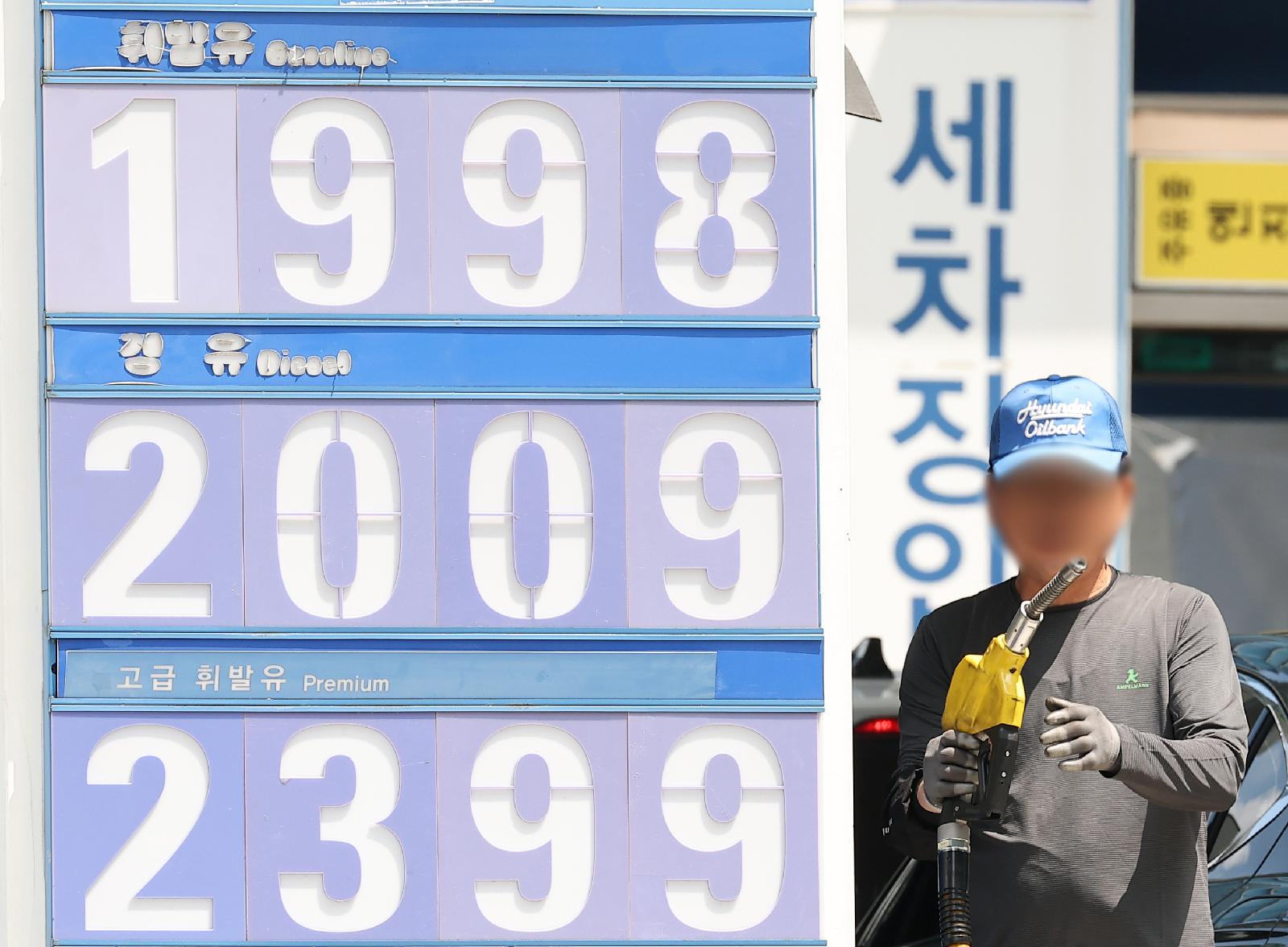
Global oil prices have fallen 30% in the past month, but fuel prices at Korean gas stations remain high. The U.S.-Iran ceasefire agreement removed much of the geopolitical risk premium from crude prices, yet the price shown at the pump does not move in real time with global benchmarks. Domestic fuel price data on June 21 still showed limited relief for drivers.
Why crude declines do not immediately reach pumps
Korean fuel prices are shaped by crude import costs, the exchange rate, refining costs, transport, wholesale margins, retail competition and taxes. A 30% fall in oil does not mean a 30% fall in per-liter gasoline or diesel prices. Korea pays for crude in dollars, so a weaker won can offset part of the global price decline. Refineries and stations also sell inventories bought at earlier, higher prices, delaying price cuts.
Taxes and inventories slow the pass-through
Gasoline and diesel prices include fuel taxes and value-added tax. A large portion of the final pump price does not move directly with crude. Station-level inventories also differ. High-volume self-service stations in competitive areas may cut prices sooner, while slower-turnover stations often adjust later. That is why drivers see wide price gaps by region, brand and station type on the same day.
Outlook for Korean consumers
The gap between lower oil headlines and actual fuel bills is the key burden for households. Logistics costs, commuting expenses and small-business transport costs will not fall sharply in the short term. If lower crude prices last for two to three more weeks and the won-dollar rate stays stable, downward pressure on refinery supply prices and pump prices should strengthen. Consumers can reduce costs by comparing local prices, choosing self-service stations and spreading out refueling. Korean fuel prices are likely to ease, but the pace and size of cuts will be smaller than the 30% plunge in global oil.
Key points
- Global oil prices fell 30% over the past month after the U.S.-Iran ceasefire agreement, but Korean pump prices have not moved down at the same pace. The delay comes from import timing, the won-dollar exchange rate, fuel taxes, inventories and retail pricing. If lower crude prices persist, domestic fuel prices are likely to ease gradually, but not by the full
- Use the body and FAQ context before acting on this update.
- Compare with related issues inside the category hub.
FAQ
Why are Korean pump prices not falling as fast as oil prices?
Import timing, refining and distribution lags, exchange rates, taxes and inventories delay the pass-through to retail fuel prices.
Will Korean gasoline and diesel prices fall later?
If lower crude prices persist and the won-dollar exchange rate remains stable, domestic fuel prices are likely to decline gradually.
How can drivers reduce fuel costs now?
Comparing local prices, using self-service stations and avoiding expensive highway stations can help lower immediate costs.
Latest stories
Dollar-Won Rate Tops 1,520 in June, Highest Since Asian Financial Crisis
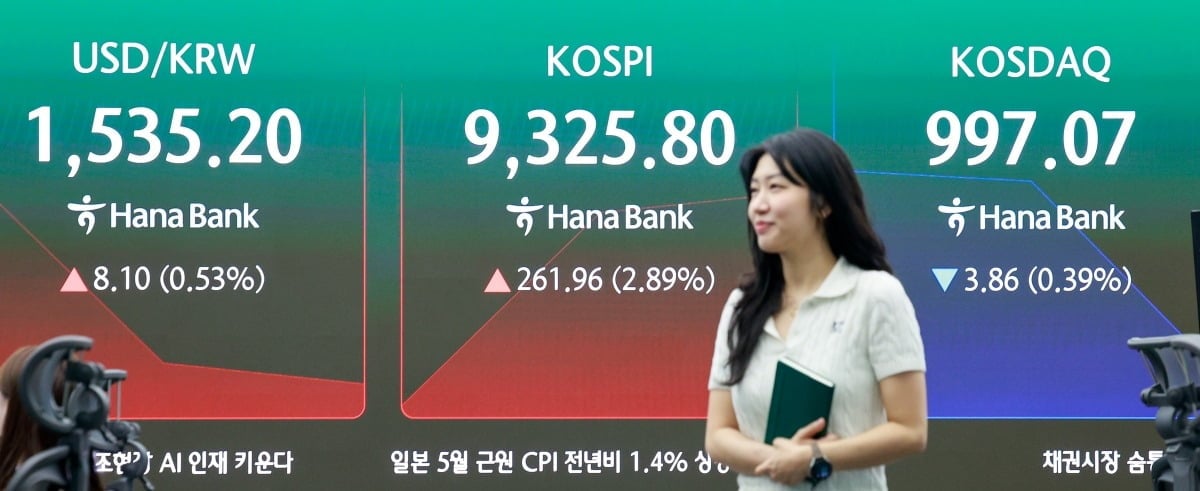
The dollar-won rate moved above 1,520 in June, marking the highest level since the Asian financial crisis. The weaker won raises the cost of dollar payments for imports, travel and tuition. Korean equities face added sensitivity to foreign investor flows and FX losses. Companies need to review dollar liquidity, invoice timing and hedge ratios.

Won-Dollar Rate Trapped in 1,500 Won Range as Bonds Turn Cautious
The won-dollar rate is holding inside the 1,500 won range as dollar buyers and sellers reach a temporary balance. The bond market is tracking the rate path and foreign flows rather than chasing a one-way trade. At 1,500 won per dollar, a USD 10,000 payment converts into the 15 million won range, raising costs for importers, students and global investors. Hed