Won-Dollar Rate Falls Below 1,490 as SK Hynix Dollar Supply Hopes Lift Won
The won-dollar exchange rate dropped below 1,490 in Seoul trading on the morning of July 14 for the first time in two months. Expectations of dollar supply linked to SK Hynix and foreign net buying of Korean stocks strengthened won demand. Hedging flows added momentum and eased pressure around the 1,500 level.
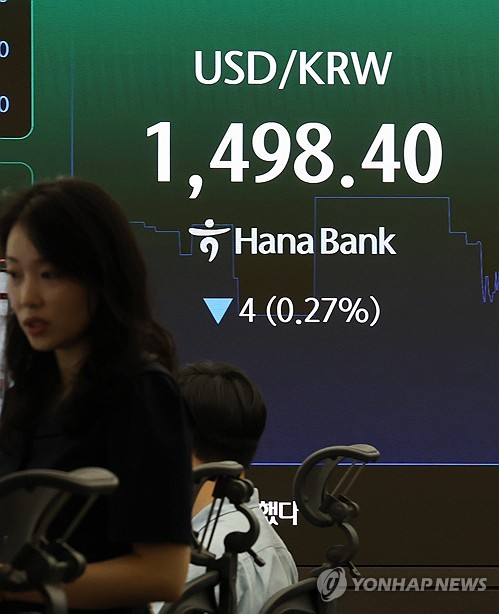
The won-dollar exchange rate slipped below 1,490 during morning trading in Seoul on July 14, marking its first intraday move under that level in two months. The decline was driven by expectations of dollar supply linked to SK Hynix, foreign net buying in Korean equities and additional currency-hedging demand. After recent trading near the psychologically heavy 1,500 zone, the break below 1,490 signaled a clear shift in short-term market sentiment.
Dollar Supply Expectations Cap the Rate
The key trigger was anticipation of dollar inflows related to a major semiconductor company. Dollar supply connected with SK Hynix became a reason for traders to sell dollars in the Seoul foreign exchange market. For large exporters, the timing and scale of dollar conversion can directly affect market pricing, so expectations alone can pressure the exchange rate lower.
Foreign purchases of Korean shares also supported the won. When offshore investors buy Kospi shares and large technology names, demand for won typically rises. Hedging activity reinforced the move, as companies and investors used forward and swap transactions to manage currency risk.
What the 1,490 Break Means
The 1,490 level has acted as a key psychological reference point. A rate near or above 1,500 raises concerns over import prices, raw material payments and dollar debt costs. A move below 1,490 can ease won-denominated cost pressure for some Korean firms and reduce currency-loss concerns for foreign investors.
The impact is not uniform. A stronger won helps energy and raw material importers but can reduce won-translated revenue for exporters with high dollar sales. Korean retail investors holding U.S. stocks or dollar deposits need to monitor valuation changes, while overseas travel, study and direct-purchase demand may benefit from lower exchange costs.
Next Focus
The next direction depends on whether SK Hynix-related dollar supply materializes and whether foreign buying continues. If dollar inflows are confirmed and offshore demand for Korean shares remains firm, won strength could persist. If the global dollar rebounds or foreign buying weakens, the exchange rate may retest the 1,490 line.
Key points
- The won-dollar exchange rate dropped below 1,490 in Seoul trading on the morning of July 14 for the first time in two months. Expectations of dollar supply linked to SK Hynix and foreign net buying of Korean stocks strengthened won demand. Hedging flows added momentum and eased pressure around the 1,500 level.
- Use the body and FAQ context before acting on this update.
- Compare with related issues inside the category hub.
FAQ
Why did the won-dollar rate fall below 1,490?
Expectations of SK Hynix-related dollar supply, foreign net buying of Korean stocks and hedging demand increased dollar selling and won buying.
Why is the 1,490 level important?
It is a psychological threshold after recent pressure near 1,500, and its break signals stronger won sentiment.
What should markets watch next?
Actual dollar inflows, continued foreign equity buying and the broader global dollar trend will guide the next move.
Latest stories
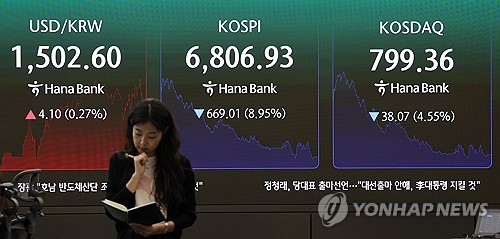
Won-Dollar Rate Ends Slightly Higher as Middle East Tensions Meet Hynix Dollar Supply Hopes
The won-dollar exchange rate finished slightly higher on July 13 as Middle East geopolitical risk strengthened safe-haven demand. The move was restrained by expectations of dollar supply connected to Hynix. Importers, investors and exporters are now watching oil prices, dollar liquidity and foreign flows in Korean equities.
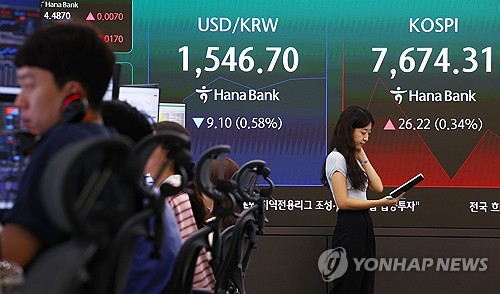
Won Falls Nearly 6% as Foreign Investors Sell 156 Trillion Won in Korean Stocks
Heavy foreign selling in Korean equities has deepened pressure on the won. Net selling has exceeded 156 trillion won this year, while the currency has lost nearly 6% against the dollar. The market is watching whether expanded 24-hour FX trading can reduce one-sided moves. Import costs, overseas investment returns and corporate hedging are directly affected.
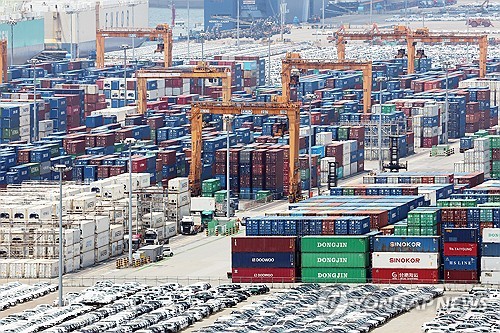
Korea’s Monthly Exports Top $100 Billion, Signaling a New Trade Paradigm
South Korea’s exports crossed the $100 billion monthly mark for the first time. A weaker won helped corporate earnings in local-currency terms, but the record cannot be explained by exchange rates alone. Demand for semiconductors, autos, ships and energy-related products points to a broader change in Korea’s export structure.
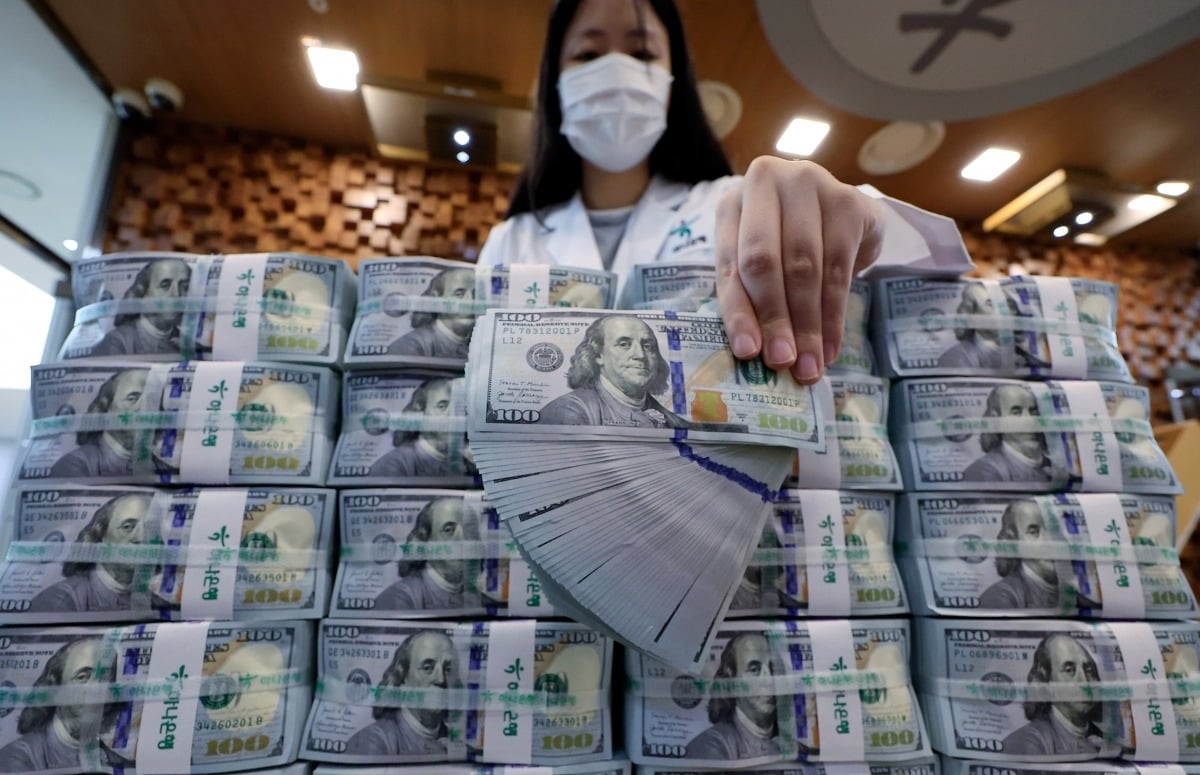
Dollar Demand From Overseas Stock Buying Raises Risk of 1,500 Won Rate
Korean investors’ overseas stock buying is adding persistent demand for dollars. If the won-dollar rate stays near 1,500, conversion costs, import prices and market pressure will rise. Domestic equities and household expenses may feel the impact.
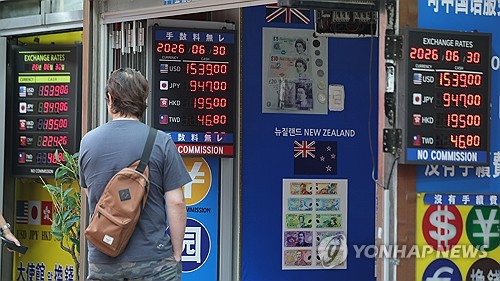
Won-Dollar Rate Drops Over 10 Won as Weak U.S. Jobs Data and Yen Rebound Hit Dollar
The won-dollar exchange rate dropped by more than 10 won as U.S. employment data missed market expectations. Softer labor signals revived expectations for easier U.S. monetary policy and reduced dollar demand. A rebound in the yen also eased recent pressure on the Korean won. Importers, exporters and overseas investors now face a more volatile currency backd

Dollar-won rate seen near 1,500 in three months as chip exports support the won
The near-term dollar-won outlook is being shaped by policy support and export recovery rather than equity outflows alone. Citibank Korea places the rate near 1,500 within three months. Strong semiconductor exports and FX stabilization steps are expected to ease pressure on the won, though persistent foreign selling could slow the move.
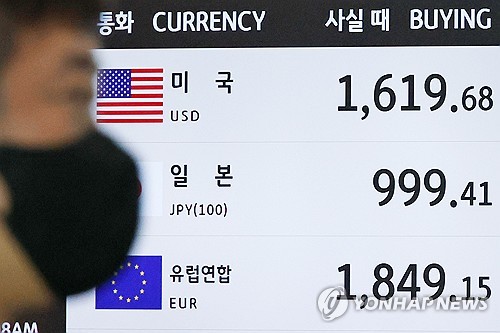
Korea to Inject 14.9 Trillion Won for SMEs Hit by High Exchange Rates
As the won-dollar exchange rate remains in the mid-1,500 won range, Korea is moving to protect small and mid-sized companies. A combined 14.9 trillion won will be supplied through loans and guarantees. FX volatility insurance will also be expanded to reduce currency-loss risks for importers and exporters.
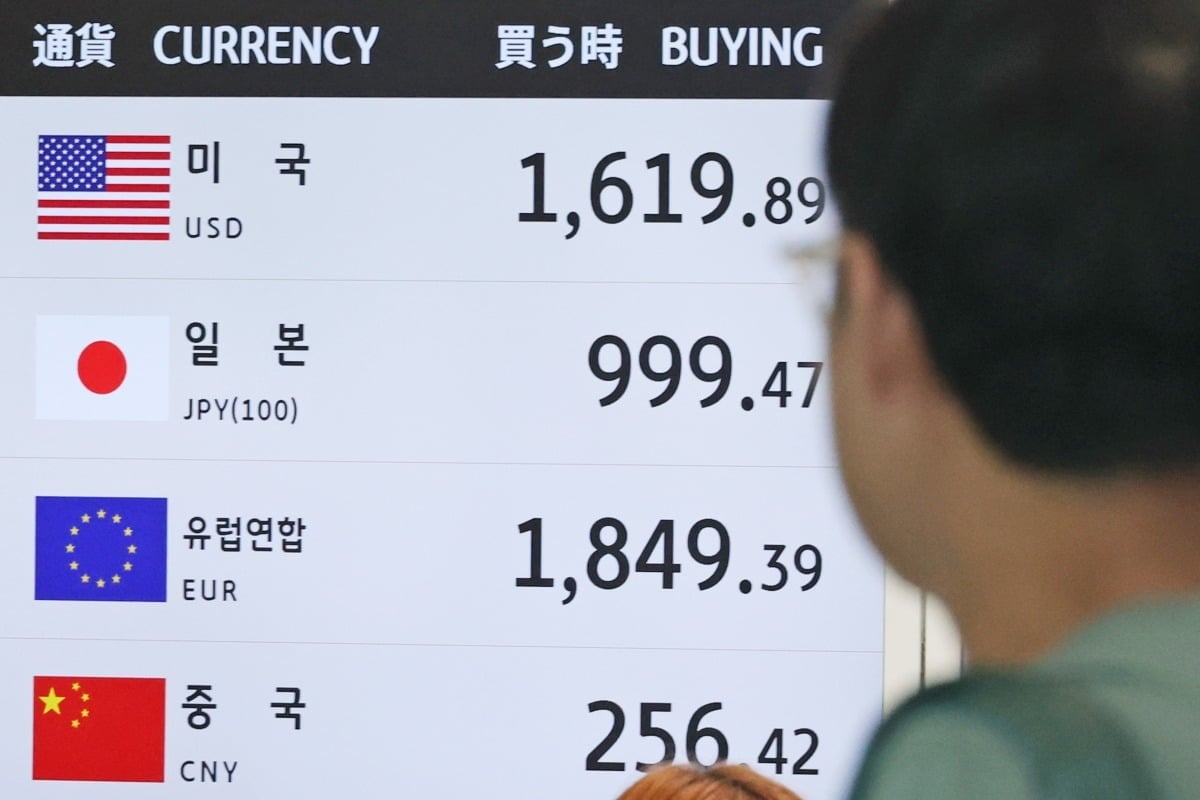
Dollar-Won Exchange Rate Faces 1,600 Risk as Strong Dollar Pressures Korea
The Korean won is under renewed pressure as several negative factors hit at once. A stronger dollar, weaker domestic growth sentiment and possible foreign fund outflows have brought the 1,600 won level into focus. A higher exchange rate directly affects import prices, corporate costs and Korean equity flows. The market will remain sensitive to U.S. rate expe