Dollar-Won Rate Ends at 1,503.4 Won, Up 2.0 Won as Import Costs Rise
The dollar-won exchange rate finished at 1,503.4 won at the 15:30 benchmark, rising 2.0 won. The level remains above 1,500 won, keeping pressure on import payments and foreign-currency liabilities. Korean firms and overseas investors need to watch raw material costs, hedging expenses and conversion rates.
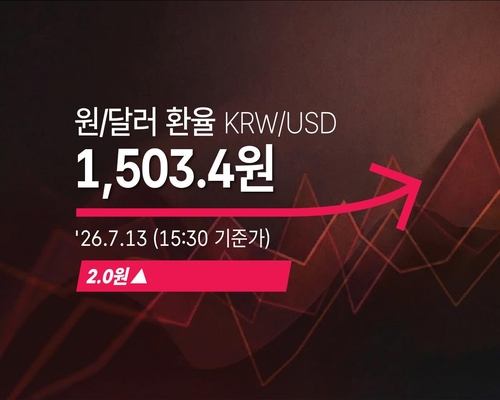
The dollar-won exchange rate closed at 1,503.4 won at the 15:30 benchmark. It rose 2.0 won from the previous reference level, showing a weaker won against the dollar. The move was modest, but the continued 1,500-won range keeps pressure on importers, overseas investors and borrowers with dollar exposure.
Why the 1,500-Won Level Matters
A rate of 1,503.4 won means that buying one dollar requires 1,503.4 won. A 10,000-dollar payment costs 15,034,000 won before fees. A 2.0-won rise adds 20,000 won to that payment, and the extra cost reaches 2 million won for a 1 million-dollar transaction. For Korean companies paying for raw materials, energy, parts or freight in dollars, even a small move can affect operating costs.
Impact on Korea
A higher dollar-won rate feeds into import prices and corporate margins. Oil, gas, grains, metals and many industrial inputs are priced in dollars, so a weaker won raises the local-currency cost of the same shipment. Airlines, refiners, chemical makers, food companies and semiconductor equipment buyers are especially sensitive. Individuals buying overseas stocks face higher conversion costs, while holders of existing dollar assets may see a larger won-denominated valuation.
What to Watch
The key question is whether the rate stays firmly above 1,500 won and whether intraday volatility expands. Further gains may increase forward-dollar buying, payment demand and hedging expenses. Dollar selling could limit the rise. Korean households should also connect the headline rate with travel money, tuition remittances, imported cars, electronics and cost structures of commodity-linked shares. The dollar-won rate is expected to remain sensitive to foreign-currency supply and risk appetite.
Key points
- The dollar-won exchange rate finished at 1,503.4 won at the 15:30 benchmark, rising 2.0 won. The level remains above 1,500 won, keeping pressure on import payments and foreign-currency liabilities. Korean firms and overseas investors need to watch raw material costs, hedging expenses and conversion rates.
- Use the body and FAQ context before acting on this update.
- Compare with related issues inside the category hub.
FAQ
What is the dollar-won exchange rate today?
It stood at 1,503.4 won at the 15:30 benchmark.
How much did the dollar-won rate rise?
It increased by 2.0 won from the previous reference level.
How does a higher rate affect Korean consumers?
It can raise won-denominated costs for imported goods, overseas remittances and currency exchange.
Latest stories
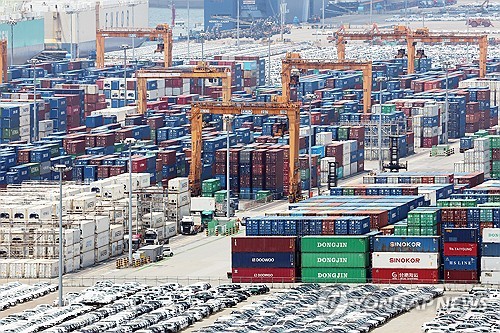
Korea’s Monthly Exports Top $100 Billion, Signaling a New Trade Paradigm
South Korea’s exports crossed the $100 billion monthly mark for the first time. A weaker won helped corporate earnings in local-currency terms, but the record cannot be explained by exchange rates alone. Demand for semiconductors, autos, ships and energy-related products points to a broader change in Korea’s export structure.
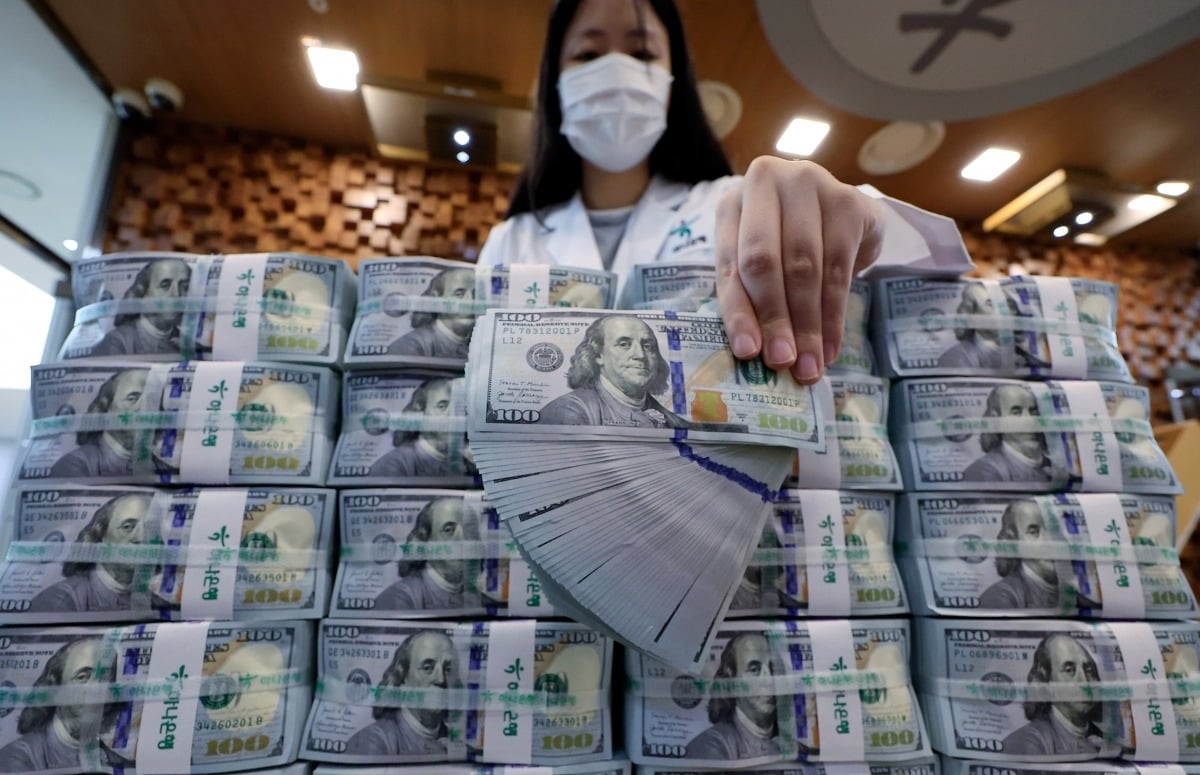
Dollar Demand From Overseas Stock Buying Raises Risk of 1,500 Won Rate
Korean investors’ overseas stock buying is adding persistent demand for dollars. If the won-dollar rate stays near 1,500, conversion costs, import prices and market pressure will rise. Domestic equities and household expenses may feel the impact.
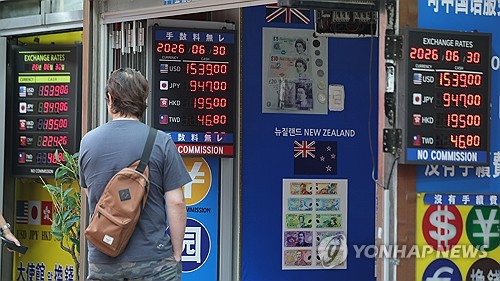
Won-Dollar Rate Drops Over 10 Won as Weak U.S. Jobs Data and Yen Rebound Hit Dollar
The won-dollar exchange rate dropped by more than 10 won as U.S. employment data missed market expectations. Softer labor signals revived expectations for easier U.S. monetary policy and reduced dollar demand. A rebound in the yen also eased recent pressure on the Korean won. Importers, exporters and overseas investors now face a more volatile currency backd

Dollar-won rate seen near 1,500 in three months as chip exports support the won
The near-term dollar-won outlook is being shaped by policy support and export recovery rather than equity outflows alone. Citibank Korea places the rate near 1,500 within three months. Strong semiconductor exports and FX stabilization steps are expected to ease pressure on the won, though persistent foreign selling could slow the move.
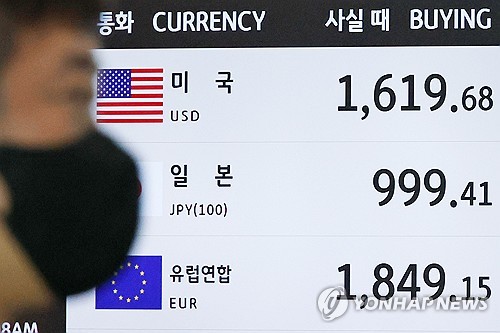
Korea to Inject 14.9 Trillion Won for SMEs Hit by High Exchange Rates
As the won-dollar exchange rate remains in the mid-1,500 won range, Korea is moving to protect small and mid-sized companies. A combined 14.9 trillion won will be supplied through loans and guarantees. FX volatility insurance will also be expanded to reduce currency-loss risks for importers and exporters.
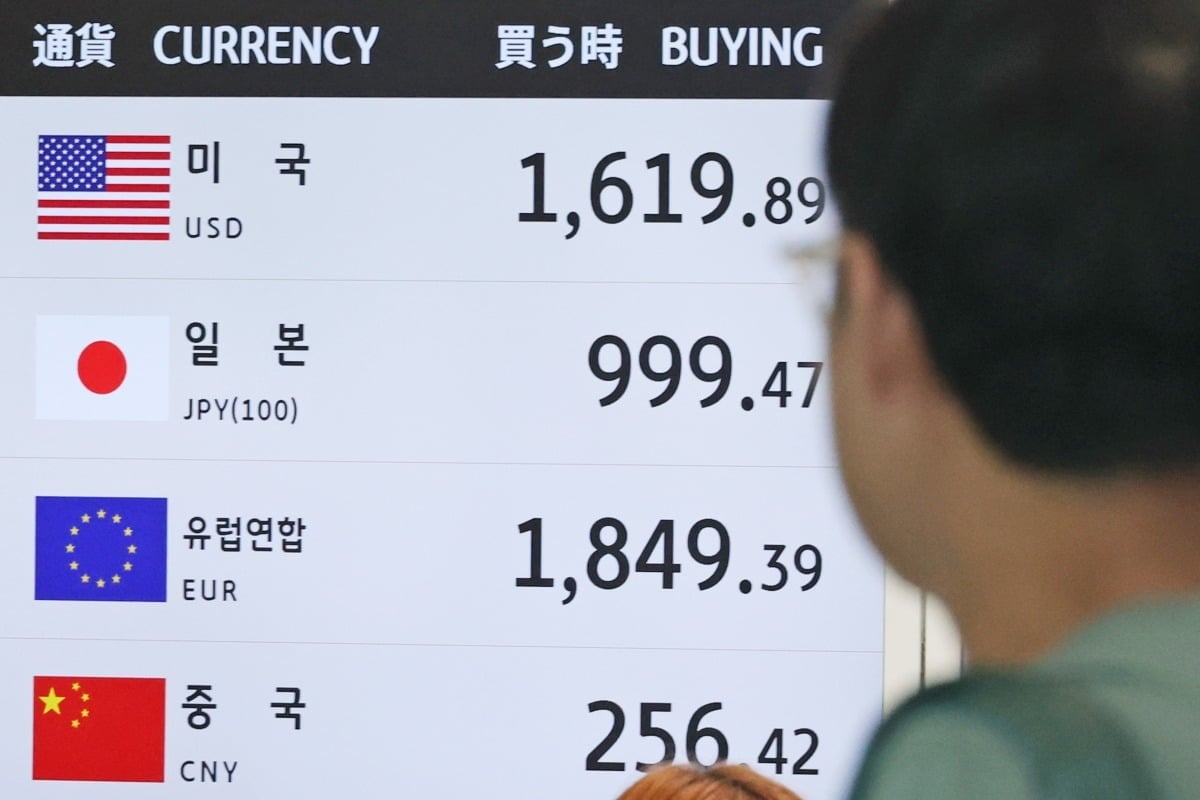
Dollar-Won Exchange Rate Faces 1,600 Risk as Strong Dollar Pressures Korea
The Korean won is under renewed pressure as several negative factors hit at once. A stronger dollar, weaker domestic growth sentiment and possible foreign fund outflows have brought the 1,600 won level into focus. A higher exchange rate directly affects import prices, corporate costs and Korean equity flows. The market will remain sensitive to U.S. rate expe

Vice Finance Minister Heo Jang Orders Close Review of External Shifts After Middle East War
Vice Finance Minister Heo Jang urged officials to examine structural changes in the external environment after the Middle East war. The focus is on exchange rates, energy prices, supply chains and trade rules. Korean companies and financial markets are watching dollar liquidity, import costs and export conditions.

Won Volatility Response Capacity Sufficient as Seoul Warns Against One-Way FX Moves
Huh Jang, second vice minister at the finance ministry, emphasized that currency authorities retain sufficient room to respond to higher volatility. The focus is on curbing excessive one-way positioning rather than defending a fixed exchange-rate level. A weaker won can raise import prices, corporate dollar payments and foreign-debt costs. Authorities are ex